


Category: Technology
-

Vietnam’s Data-Centre Boom Is Entering Its Infrastructure Test
Vietnam is becoming an increasingly important part of Southeast Asia’s data-centre story. Cloud adoption is growing, AI is creating new demand for computing capacity, and companies are looking beyond established markets such as Singapore and Malaysia. The investment pipeline reflects that interest. Vietnam currently has around 148 MW of live data-centre capacity, with another 79…
-

AI Can Make More Ads. Can Brands Make Them Matter?
Digital advertising has long rewarded brands for reaching more people, generating more clicks, and producing more creative variations. Generative AI has accelerated all three. A campaign that once required weeks of production can now be adapted into dozens of formats, messages, and visual treatments in a fraction of the time. But as AI makes advertising…
-

ChatGPT’s Asian Expansion Signals a Shift Towards Intent-Led Advertising
Advertising has spent years trying to get closer to the moment when a consumer is ready to make a decision. Search engines captured intent through keywords, social plAdvertising has spent years trying to get closer to the moment when a consumer is ready to make a decision. Search engines captured intent through keywords, social platforms…
-

India’s TV Battle Is Moving to the Connected Screen — and Advertising Is Moving With It
For decades, television distribution in India was relatively easy to understand: broadcasters created the content, DTH and cable operators delivered it, and advertisers bought audiences around programmes and channels. That structure is now being disrupted. The next phase of television is being built around the connected TV (CTV) screen, where linear television, OTT platforms, FAST…
-

Grab’s $1.49 Billion Atome Bet Shows Southeast Asia’s Super-App Race Is Entering a New Era
The battle among Southeast Asia’s biggest technology companies is no longer just about booking rides or delivering food. It is increasingly about who can become the financial platform people rely on every day. Singapore-based super-app Grab has announced plans to acquire a 60% controlling stake in digital finance platform Atome Financial for $1.49 billion in…
-
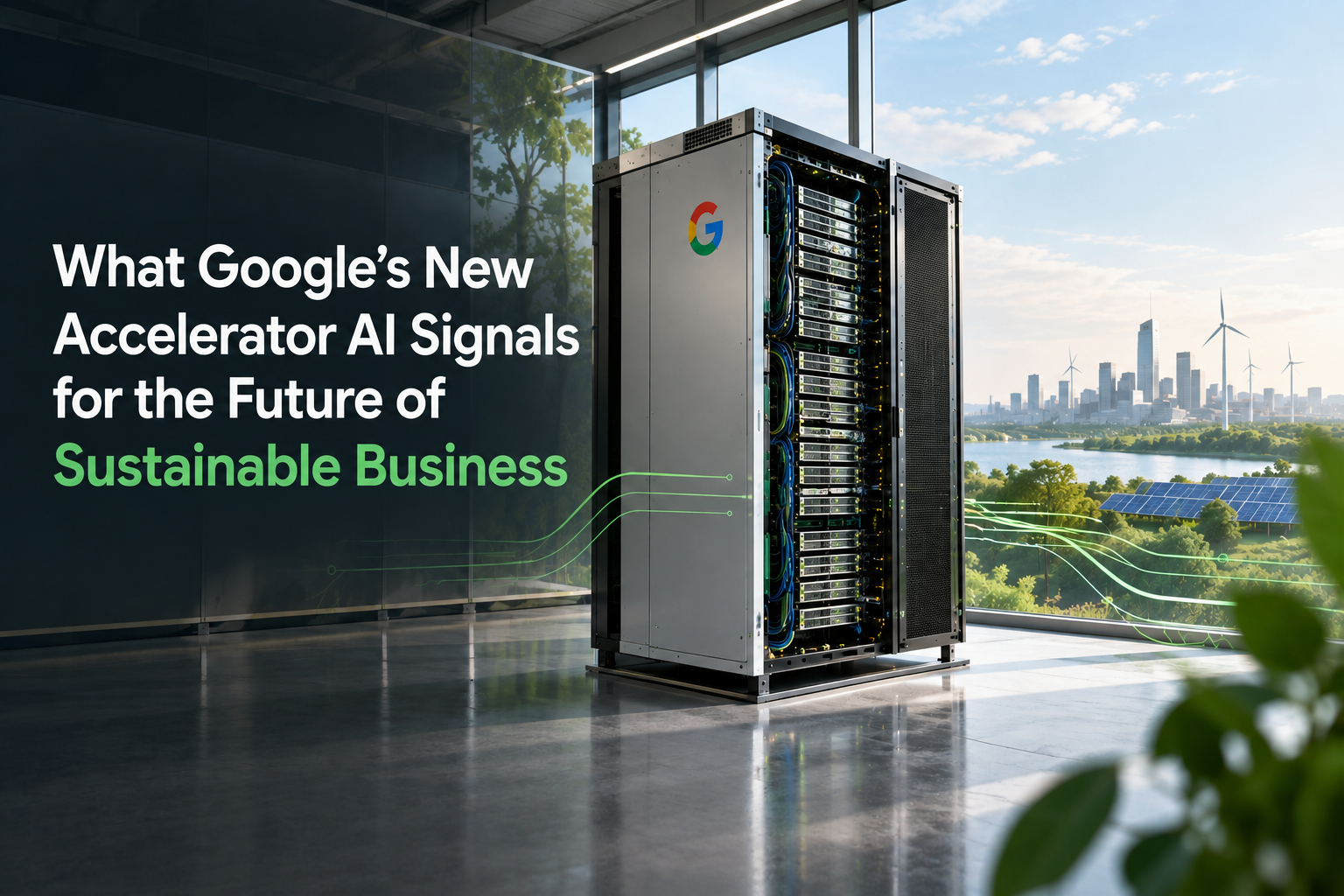
What Google’s New Accelerator AI Signals for the Future of Sustainable Business
Artificial intelligence is often discussed through the lens of productivity, automation, and consumer experiences. But its next important chapter may be less visible — and far more consequential: using intelligence to solve physical problems that businesses and societies have struggled with for decades. Google’s decision to select four Indian startups — Terrastack, Varaha Climate, Farmers…
-

When AI Becomes a Tool for Surveillance and Biological Risk, What Should Business Learn?
The AI industry has spent the past few years advancing a compelling promise: faster decisions, smarter workflows, scientific breakthroughs and unprecedented productivity. But the latest disclosures from Anthropic offer a far less comfortable view of the same technology. Its Claude models were allegedly targeted for misuse across areas ranging from cyber operations and surveillance to…
-

India’s Fintech Next Chapter: Why Trust Will Decide Who Wins
India’s fintech story has largely been a story of scale. Digital payments have become part of everyday life, smartphones have become gateways to financial services, and technology has brought formal finance within reach of millions. But scale alone may not define the industry’s next chapter. As fintech moves beyond payments and into credit, insurance, pensions,…
-

Meta Launches Muse: How AI Could Change the Way Brands Win Consumers
Ever since its advent, the promise of artificial intelligence has largely been about making people faster: drafting an email, finding information, generating an image or summarising a document. Meta’s latest move suggests the next phase will be less about answering and more about action in real time. With Muse, Meta is introducing a personal AI…
-
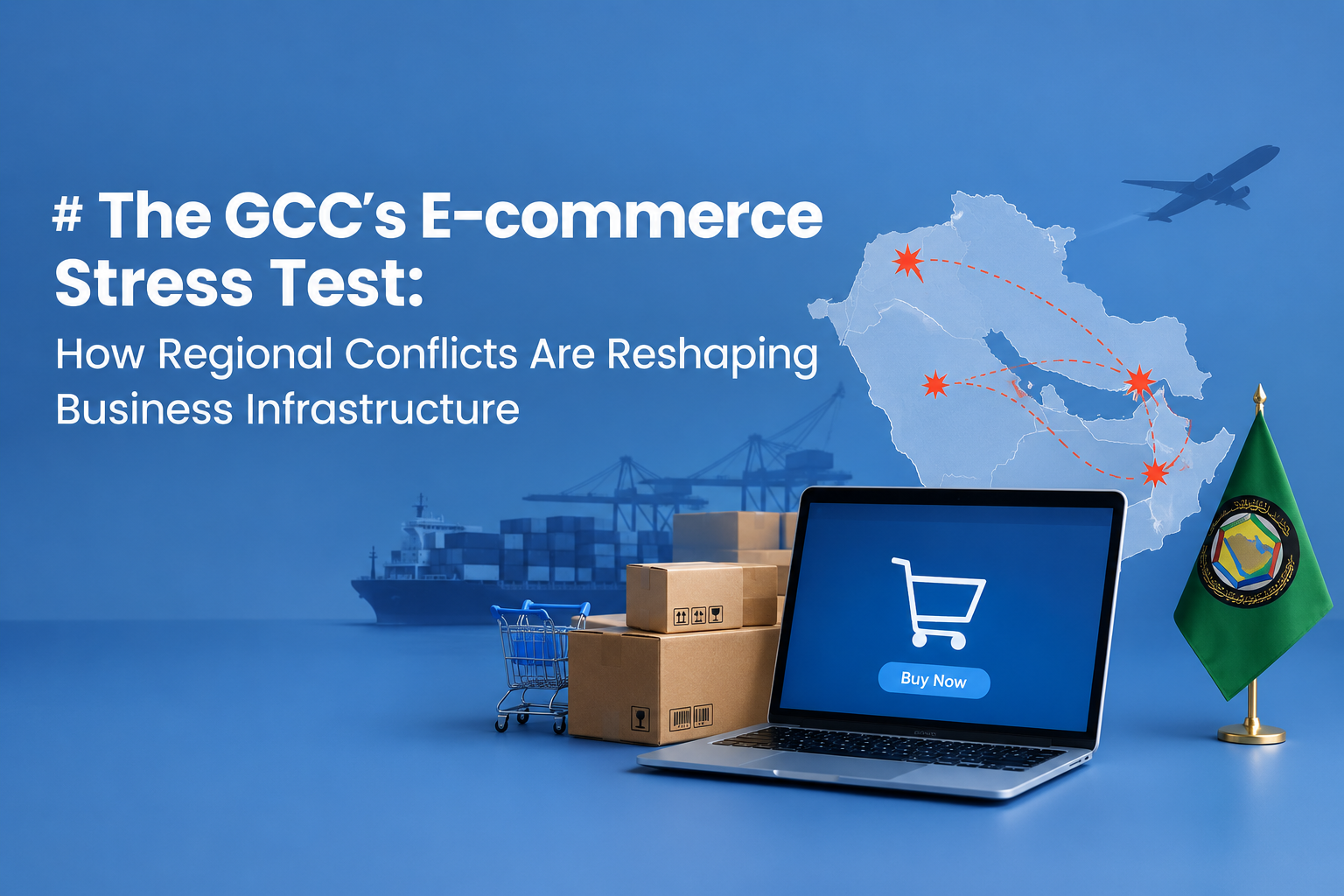
The GCC’s E-commerce Stress Test: How Regional Conflicts Are Reshaping Business Infrastructure
The GCC has spent years building itself into one of the world’s most connected commercial regions. Dubai, Abu Dhabi, Riyadh and other major cities have become hubs for international trade, retail, tourism and e-commerce, supported by sophisticated ports, airports, logistics networks and digital infrastructure. But the region’s exposure to repeated periods of geopolitical disruption has…