

Category: E-commerce
-
India’s 2026 D2C Boom: The Categories, Creators and Capital Shaping the Next Consumer Wave
Not long ago, building a consumer brand in India meant building distribution first. Getting onto shelves, finding the right retail partners, and creating enough visibility to make a product familiar to consumers were among the biggest barriers to scale. The internet changed that equation. A generation of digital-first brands began by going directly to consumers,…
-

The Festive Quarter Has Become India’s Biggest Consumer Growth Engine
India’s festive economy is no longer driven by a single moment alone. It now builds across weeks of sustained demand, with festivals like Navratri, Dussehra and Diwali each creating different opportunities for discovery, consideration and purchase. That shift is changing how brands approach the season. Instead of concentrating their biggest campaigns, launches, and media spends…
-
The 2X–3X Quick-Commerce Surge Is Rewriting the Meaning of Festive Gifting
Festive gifting used to be a planned purchase. Consumers would decide what to buy, visit a store or website, compare options, and place an order well ahead of the occasion. That behaviour is changing. Today, a forgotten gift can be ordered minutes before a family dinner, a dessert can arrive after a celebration has already…
-
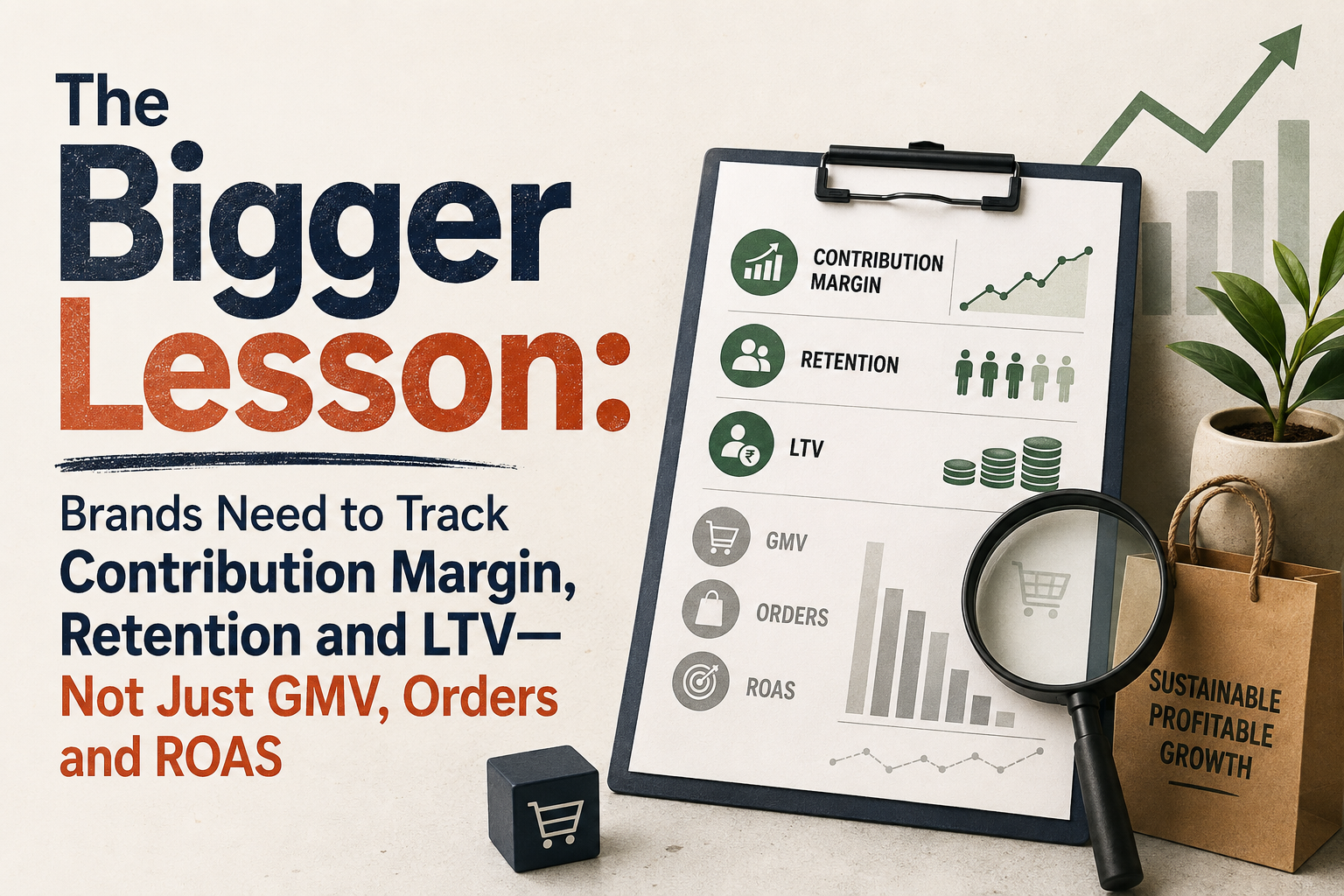
The Bigger Lesson: Brands Need to Track Contribution Margin, Retention and LTV—Not Just GMV, Orders and ROAS
Growth can look impressive on a dashboard while quietly weakening the business underneath. For brands entering their next phase, the real question is no longer how much they sell, but how much value each customer and each order actually creates. For years, three numbers have dominated the D2C growth conversation: GMV, orders and ROAS. They…
-
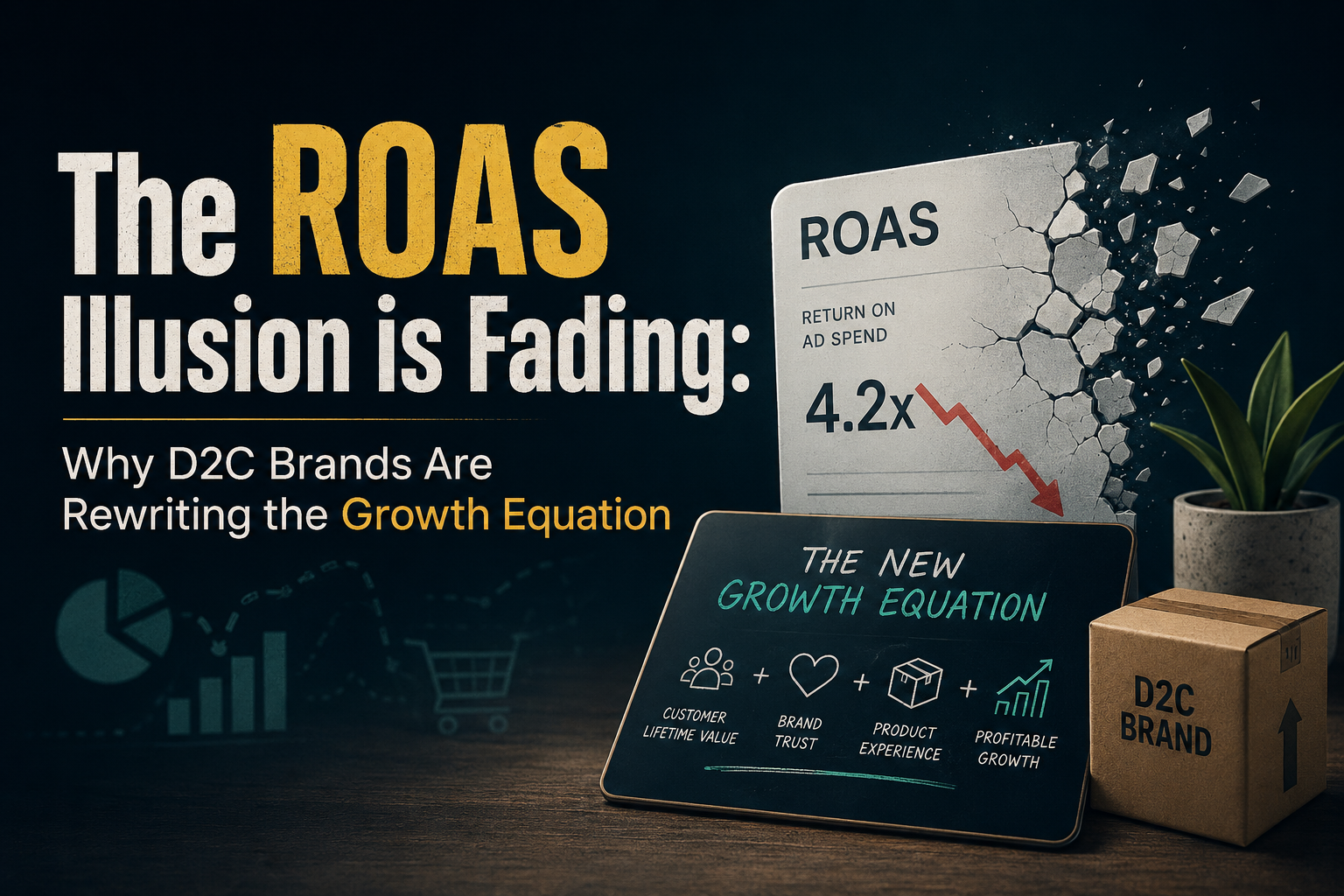
The ROAS Illusion is Fading: Why D2C Brands Are Rewriting the Growth Equation
For years, ROAS was the number that could make a D2C marketing dashboard look healthy. A campaign delivering 3x or 4x returns appeared to justify higher budgets, more acquisition, and faster scale. But as customer acquisition costs rise and competition for digital attention becomes fiercer, that familiar equation is starting to lose its shine. A…
-
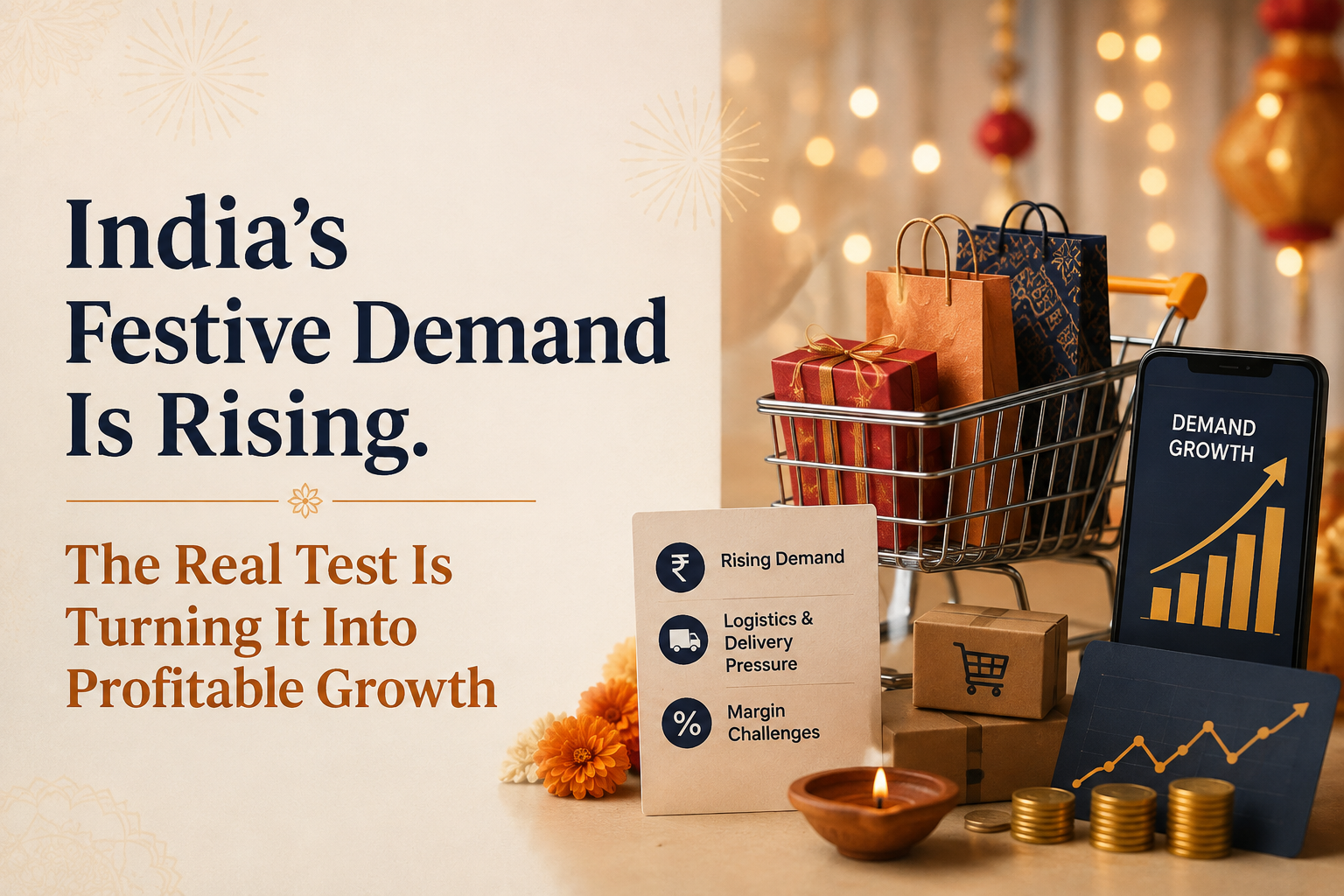
India’s Festive Demand Is Rising. The Real Test Is Turning It Into Profitable Growth
India’s 2026 festive season is shaping up to be a stronger one for consumer businesses. Forty-five per cent of surveyed shoppers say they expect to spend more than they did in 2025, while FMCG demand is projected to rise 9–11% between August and November. Yet the opportunity comes with a complication: stronger demand does not…
-
Shiprocket’s IPO Is a Test of India’s E-commerce Infrastructure Story
India’s startup story is entering a more demanding phase. For years, the focus was on how quickly companies could acquire users, expand their markets, and attract capital. As more startups move from private funding rounds to public markets, the question is becoming harder: can that growth translate into durable profits? Shiprocket’s IPO brings that question…
-
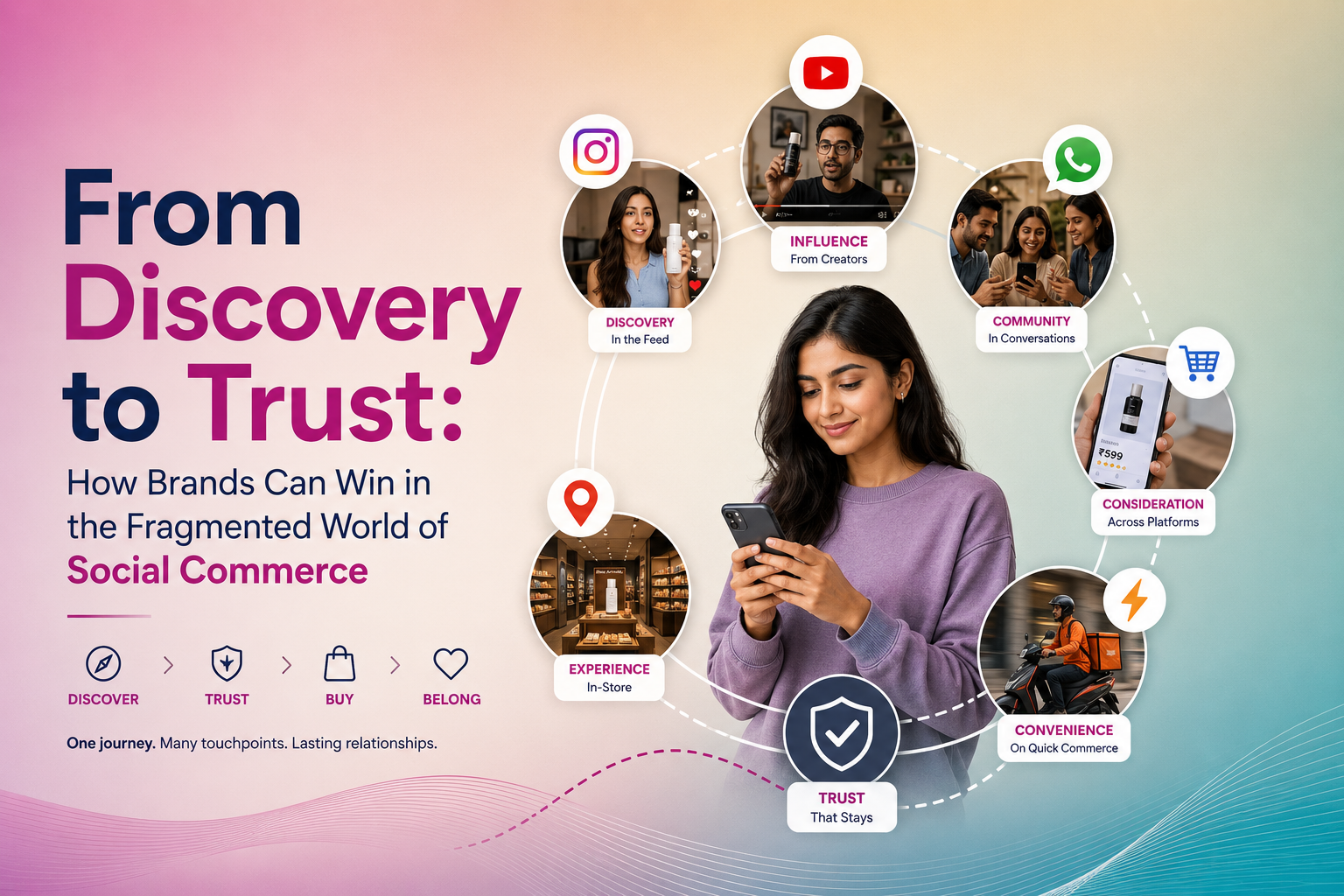
From Discovery to Trust: How Brands Can Win in the Fragmented World of Social Commerce
A customer can discover a product on Instagram, watch a creator talk about it on YouTube, ask about it in a WhatsApp group, compare it on a marketplace, buy it through a quick-commerce app, and encounter the same brand again in a physical store. The journey is no longer linear. It is fragmented across platforms,…
-
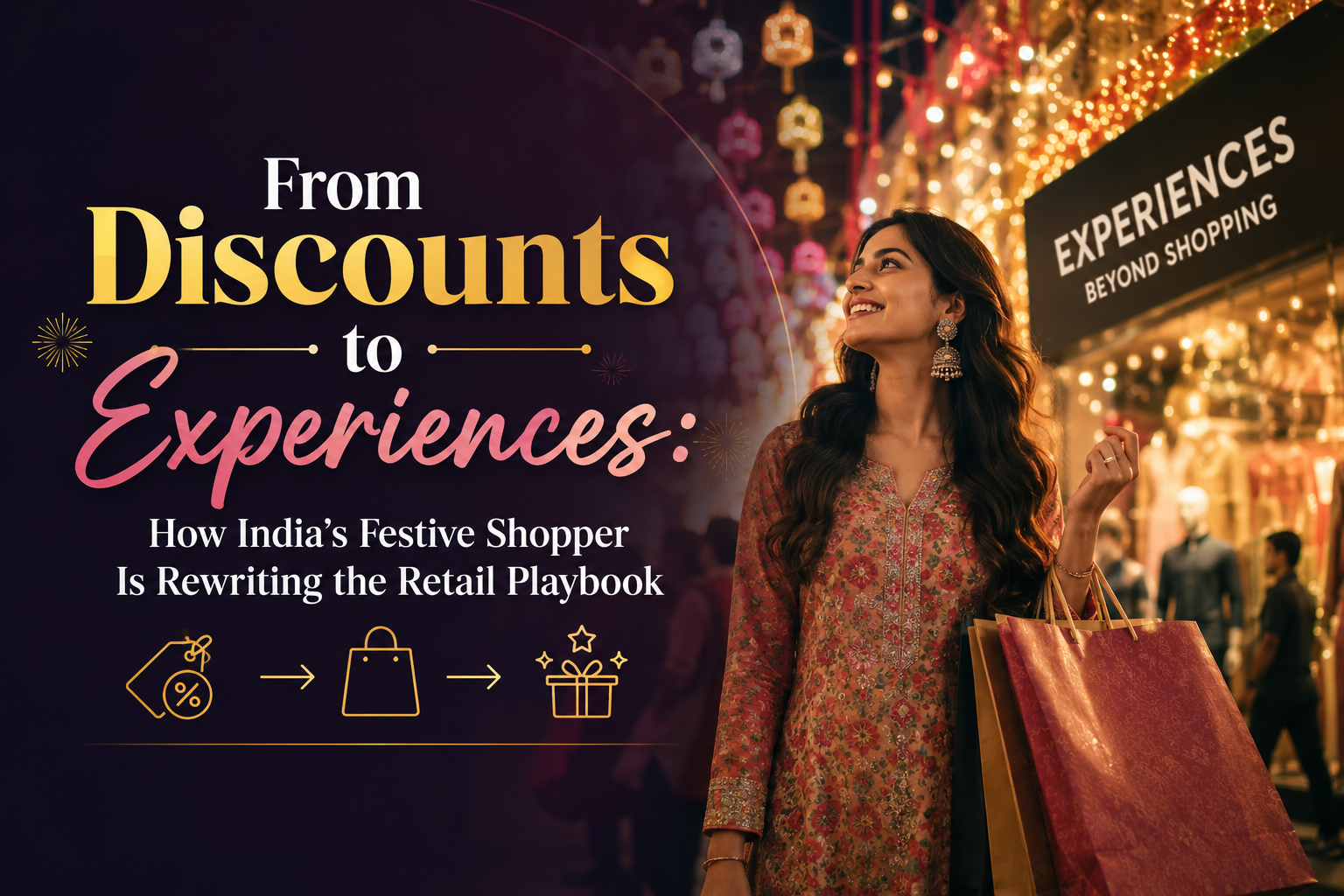
From Discounts to Experiences: How India’s Festive Shopper Is Rewriting the Retail Playbook
For nearly two decades, India’s festive retail calendar has revolved around one simple proposition: offer the deepest discount and consumers will come. Whether it was Diwali electronics sales, fashion mega-events, or end-of-season offers, the festive season became synonymous with price wars. Retailers conditioned consumers to postpone purchases until brands slashed prices, while marketplaces competed on…
-
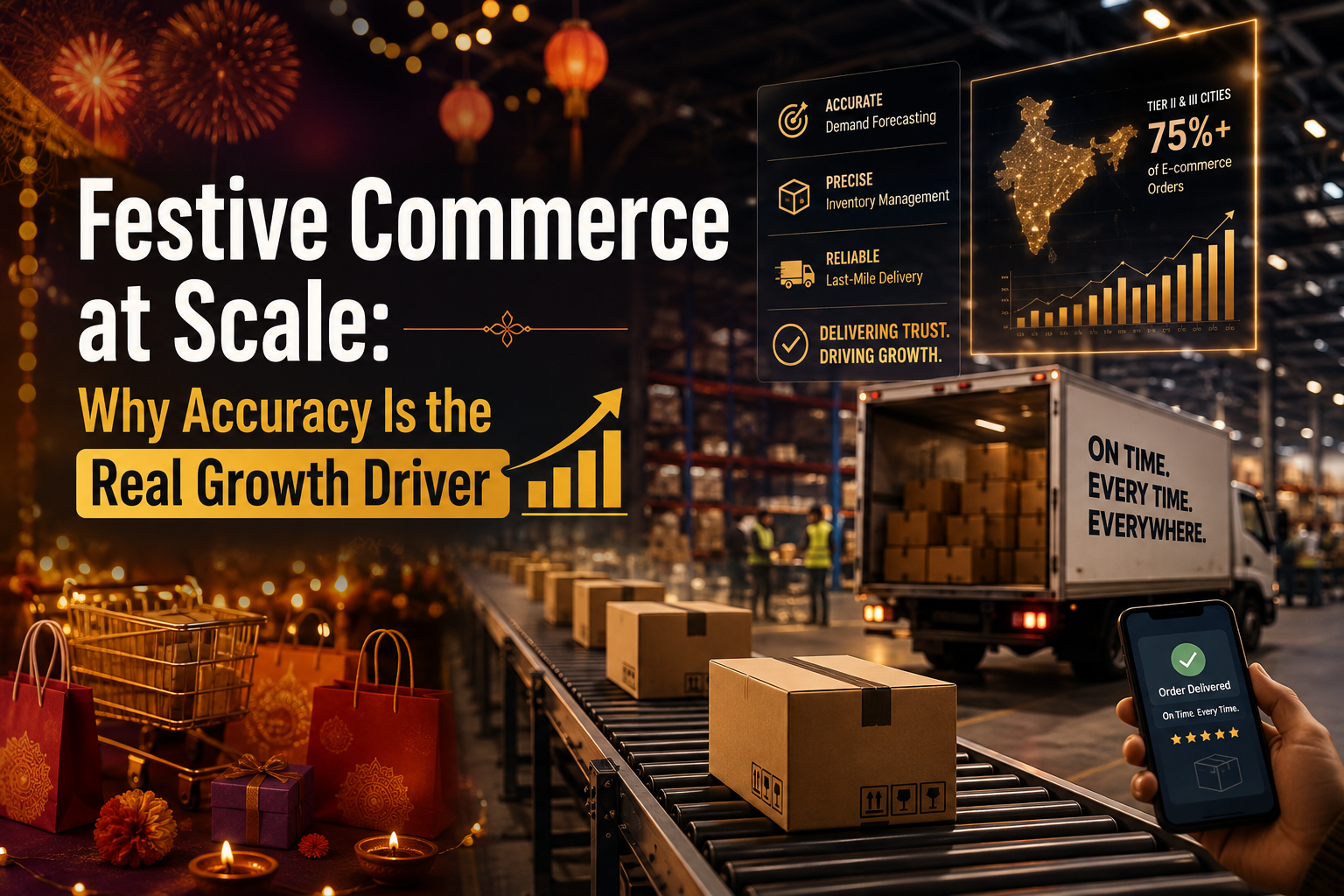
Festive Commerce at Scale: Why Accuracy Is the Real Growth Driver
Every festive season, India’s brands compete for the same consumer attention. Advertisements become louder, discounts grow deeper, celebrity endorsements multiply, and marketing budgets reach their annual peak. For years, success during this period was largely defined by the strength of campaigns and the attractiveness of offers. However, as Indian commerce evolves, the rules of competition…