

Category: Marketing
-
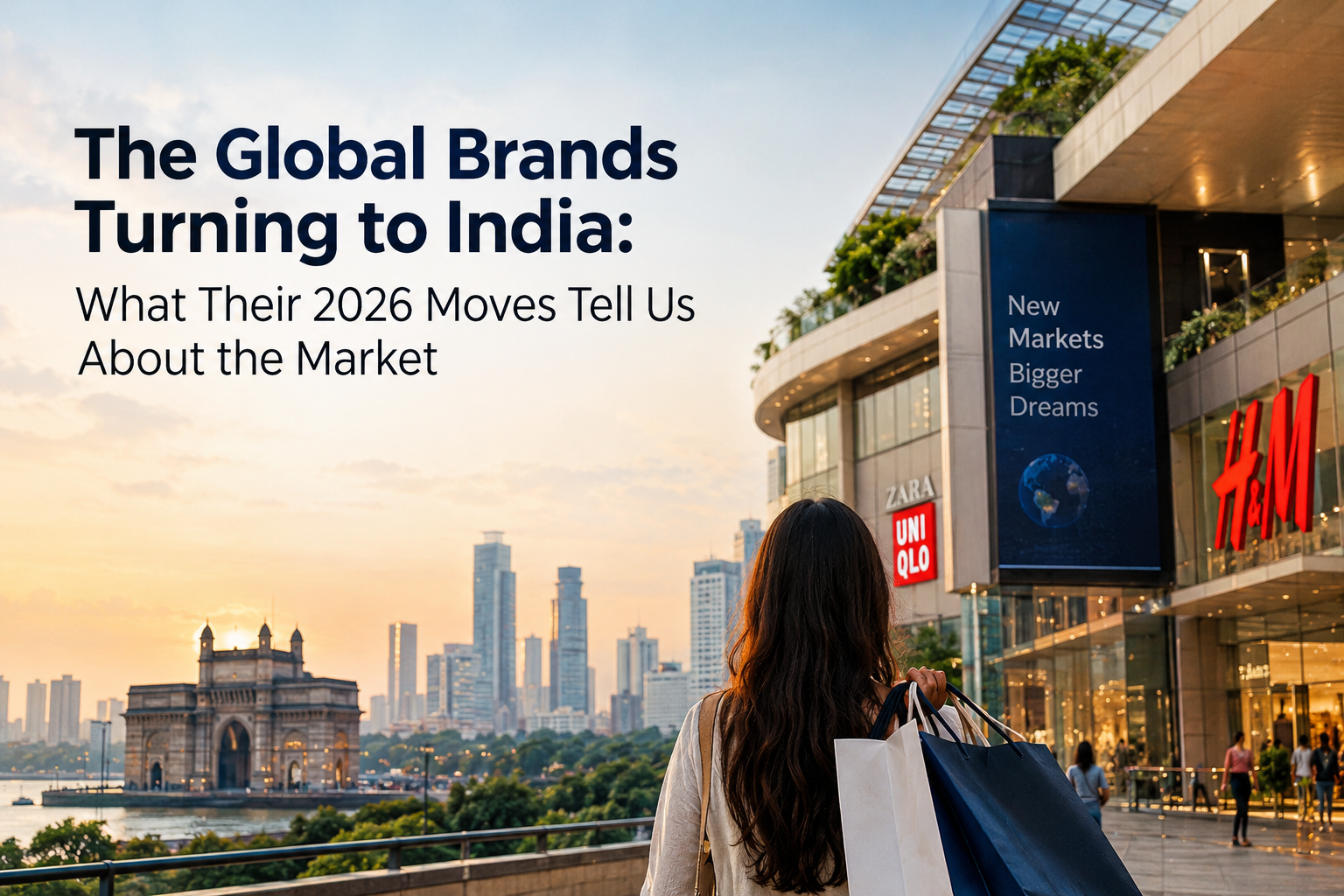
The Global Brands Turning to India: What Their 2026 Moves Tell Us About the Market
India is increasingly becoming a priority market for international businesses looking to expand their global footprint. A growing consumer base, rising demand for premium products and rapid digital adoption are creating opportunities across industries, from fashion and beauty to food, retail and technology. However, entering India is not simply about bringing an international product to…
-
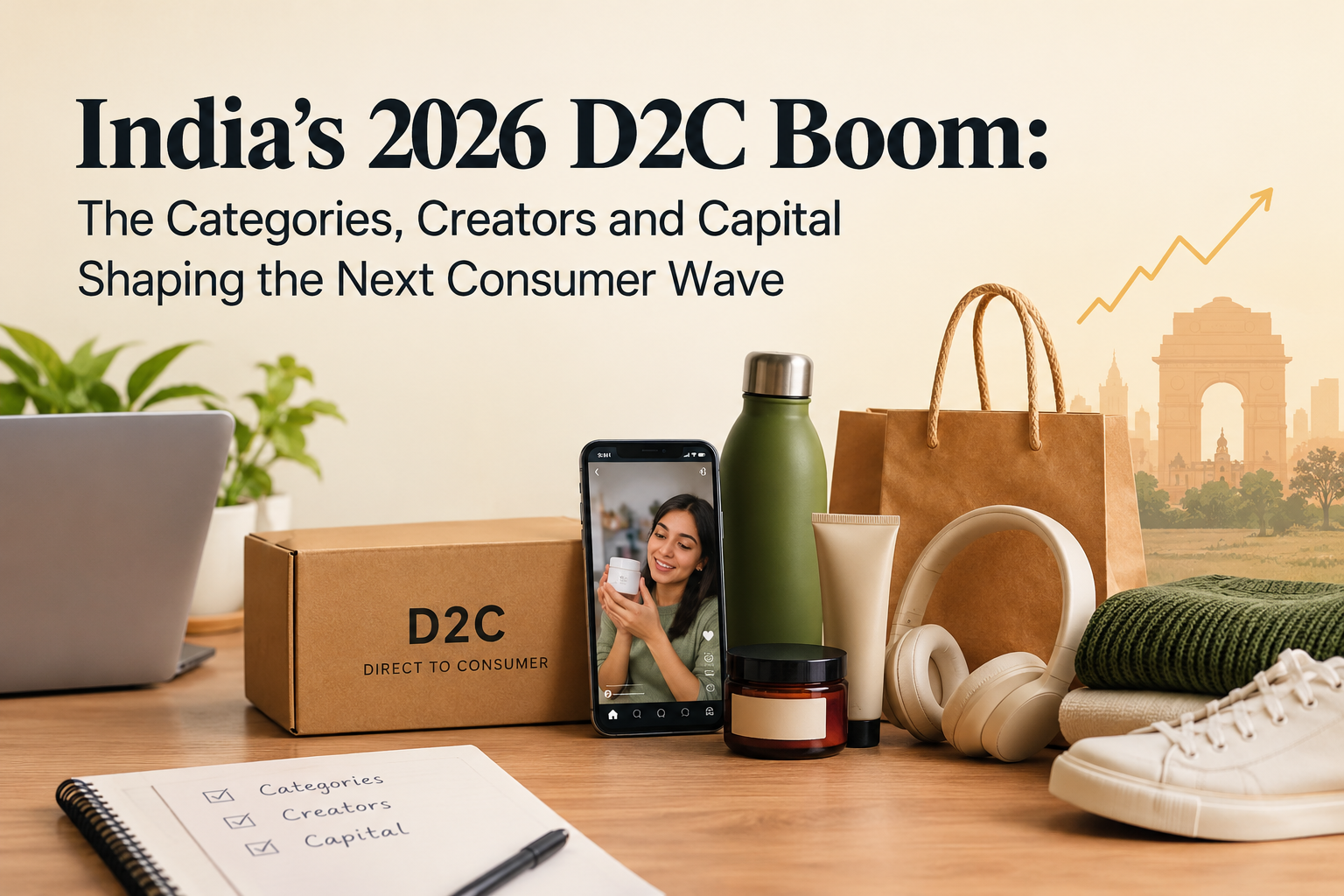
India’s 2026 D2C Boom: The Categories, Creators and Capital Shaping the Next Consumer Wave
Not long ago, building a consumer brand in India meant building distribution first. Getting onto shelves, finding the right retail partners, and creating enough visibility to make a product familiar to consumers were among the biggest barriers to scale. The internet changed that equation. A generation of digital-first brands began by going directly to consumers,…
-
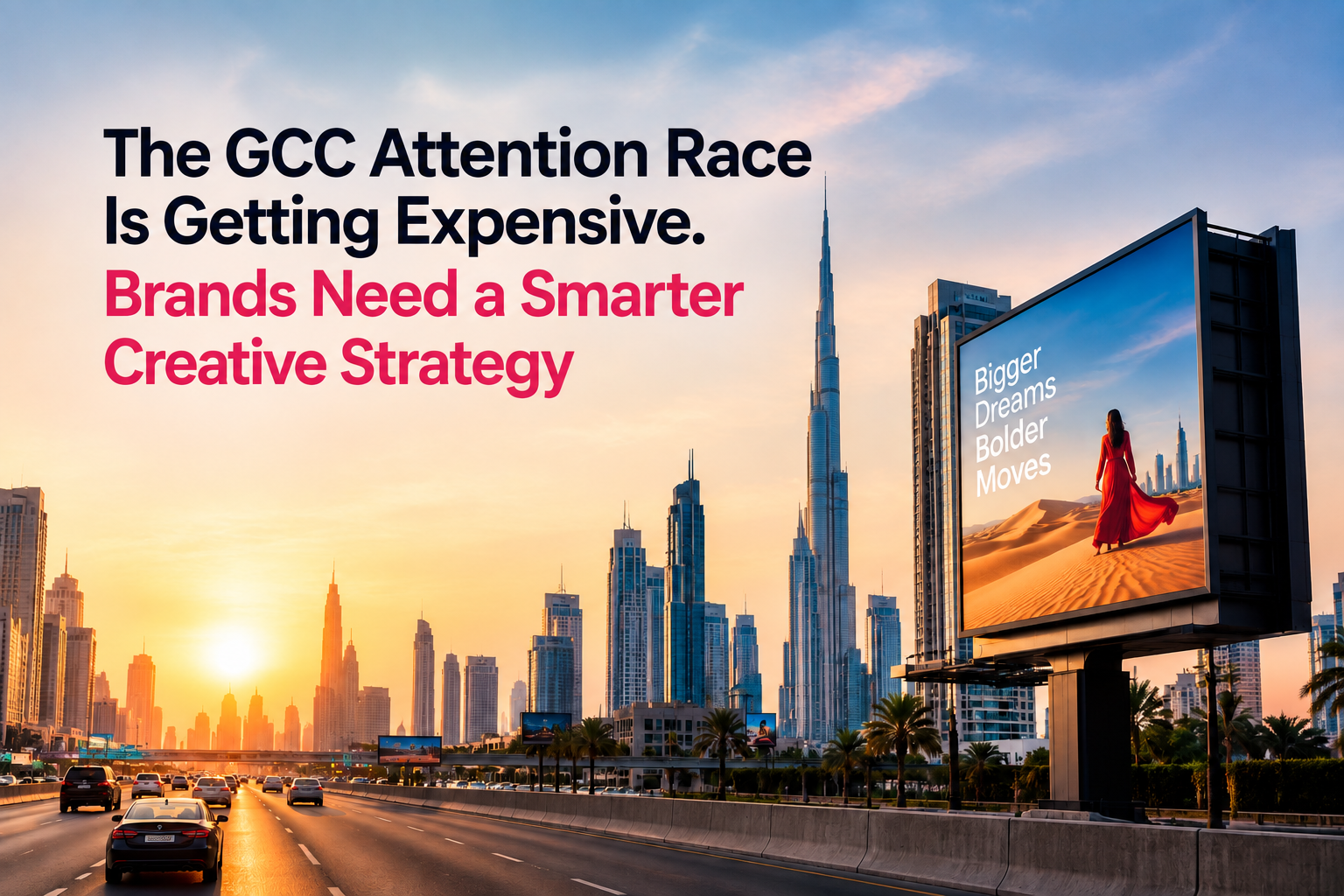
The GCC Attention Race Is Getting Expensive. Brands Need a Smarter Creative Strategy
The Gulf’s digital advertising opportunity is growing rapidly, but so is the cost of getting noticed. According to Expresswire, digital ad spending in Saudi Arabia is expected to reach $4.68 billion in 2026, marking 16.8% year-on-year growth. Yet as advertising continues to expand, brands face a growing challenge: audiences are seeing more ads, while individual…
-
The Next Media Advantage Is Not More Channels — It’s Better Connections
For years, media planning was largely a question of where a brand should spend: television, digital, social, search, or outdoor. That question is becoming less useful as consumers increasingly move between platforms before making a decision. The bigger challenge now is ensuring that every interaction contributes to the same customer journey. A recent account win…
-
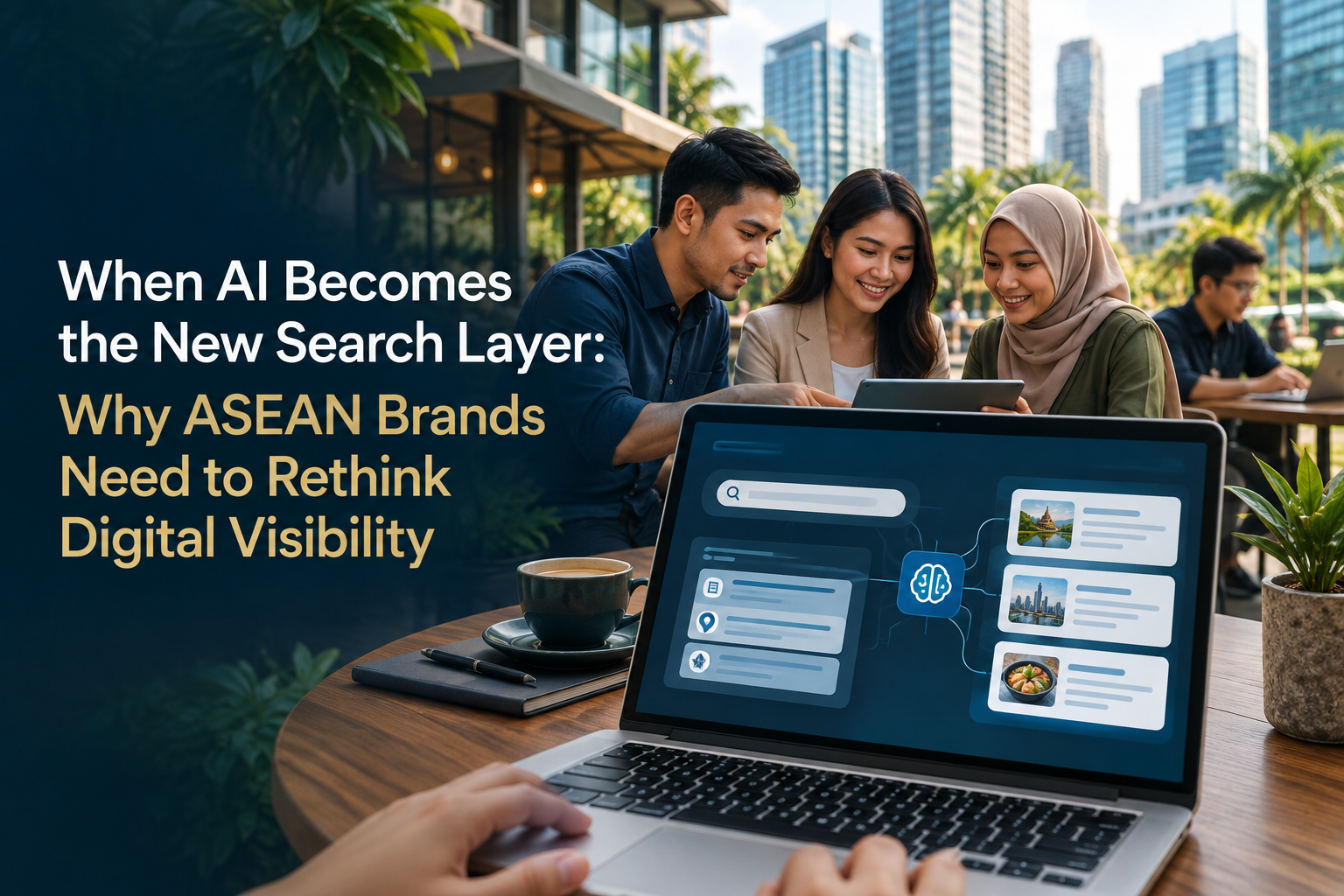
When AI Becomes the New Search Layer: Why ASEAN Brands Need to Rethink Digital Visibility
For years, digital visibility meant appearing on the first page of Google. AI is beginning to change what that visibility looks like. Instead of scrolling through search results, consumers can now ask platforms such as ChatGPT, Gemini and Perplexity to compare products, explain options or suggest providers. The answer they receive may contain only a…
-
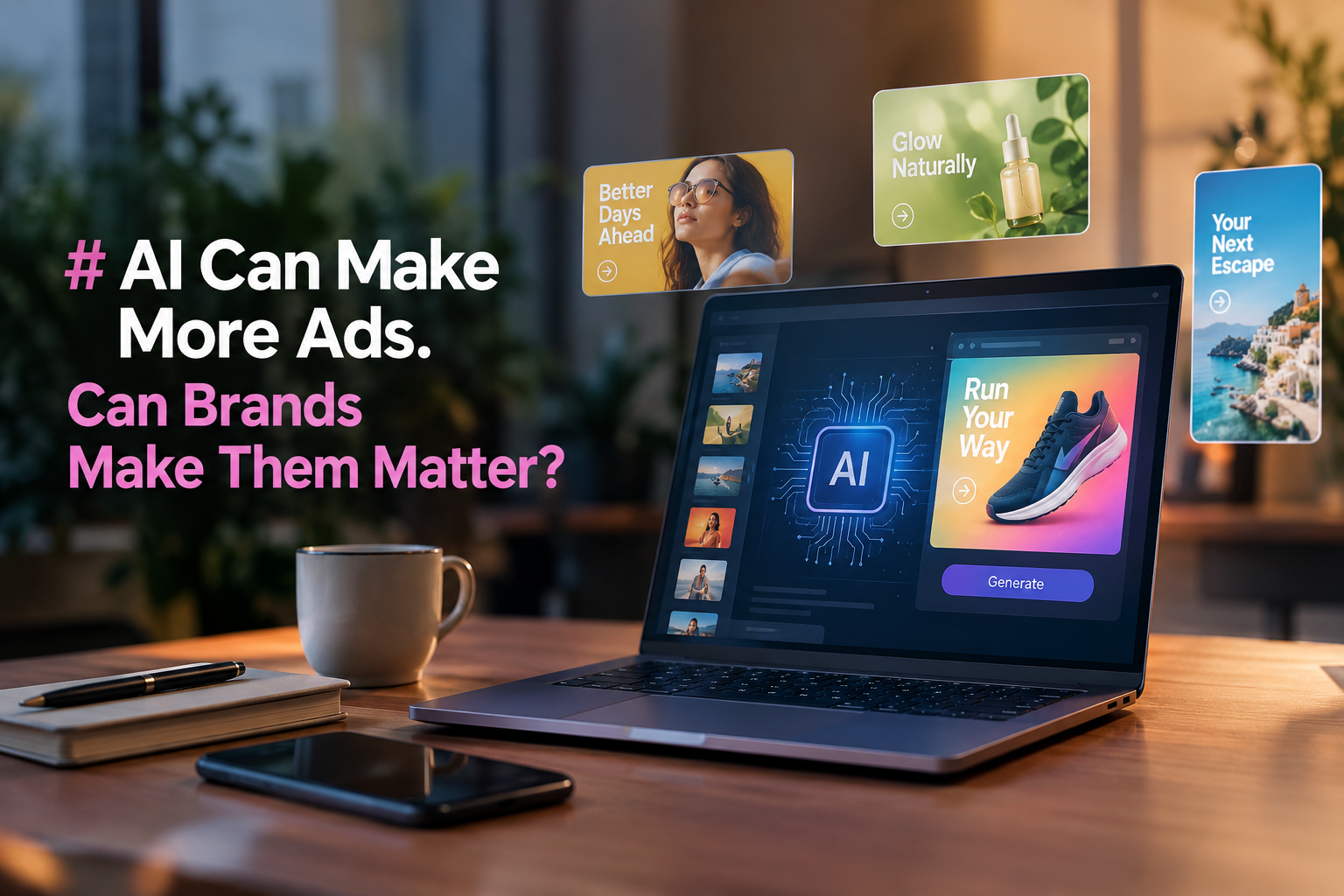
AI Can Make More Ads. Can Brands Make Them Matter?
Digital advertising has long rewarded brands for reaching more people, generating more clicks, and producing more creative variations. Generative AI has accelerated all three. A campaign that once required weeks of production can now be adapted into dozens of formats, messages, and visual treatments in a fraction of the time. But as AI makes advertising…
-
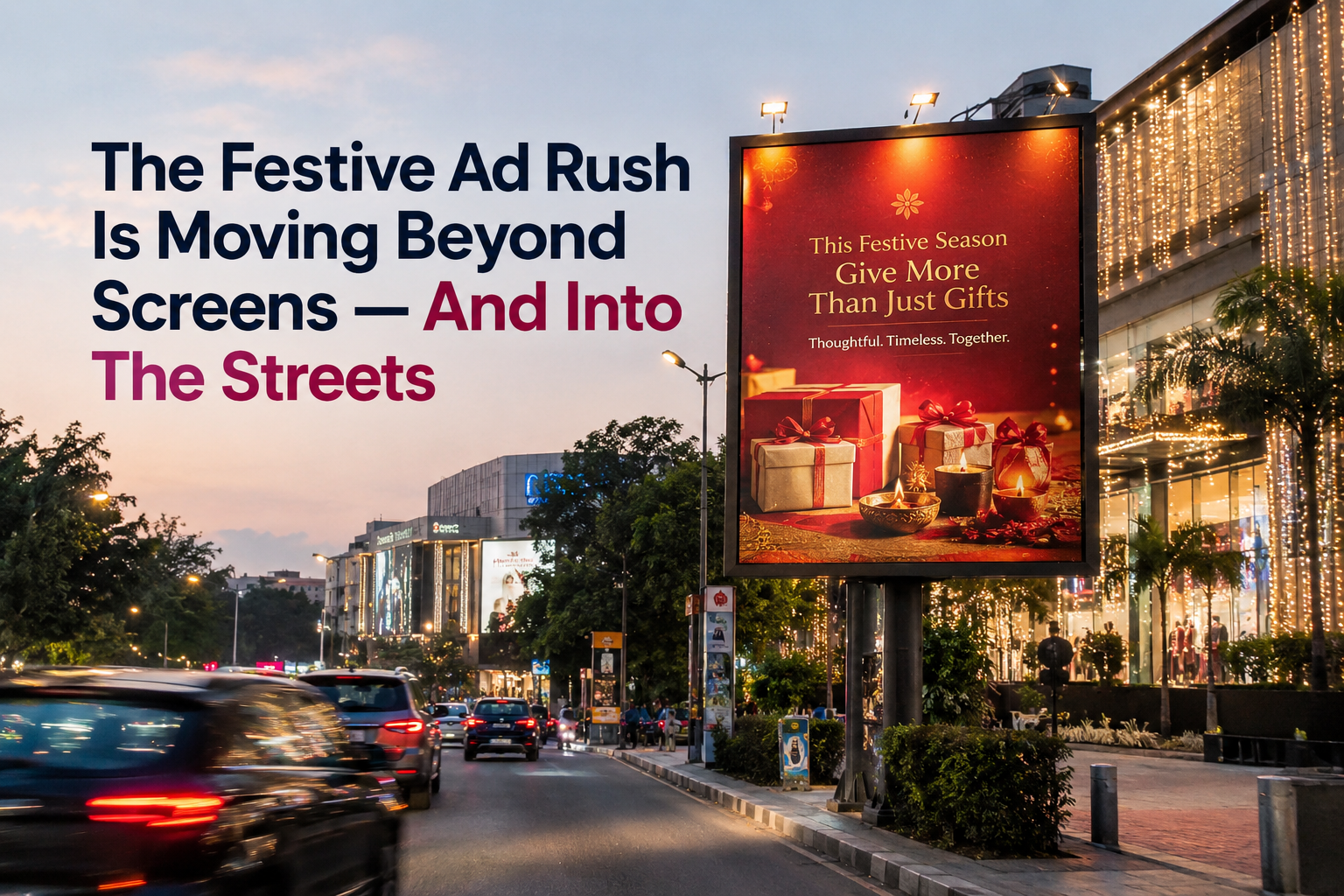
The Festive Ad Rush Is Moving Beyond Screens — And Into The Streets
India’s festive advertising season is becoming a much longer and more competitive media cycle, with out-of-home (OOH) advertising emerging as an important part of that shift. Festive OOH spending is expected to grow by 15–20% in 2026, with the opportunity estimated at around ₹2,300–2,400 crore. More significantly, premium inventory across key markets is already seeing…
-
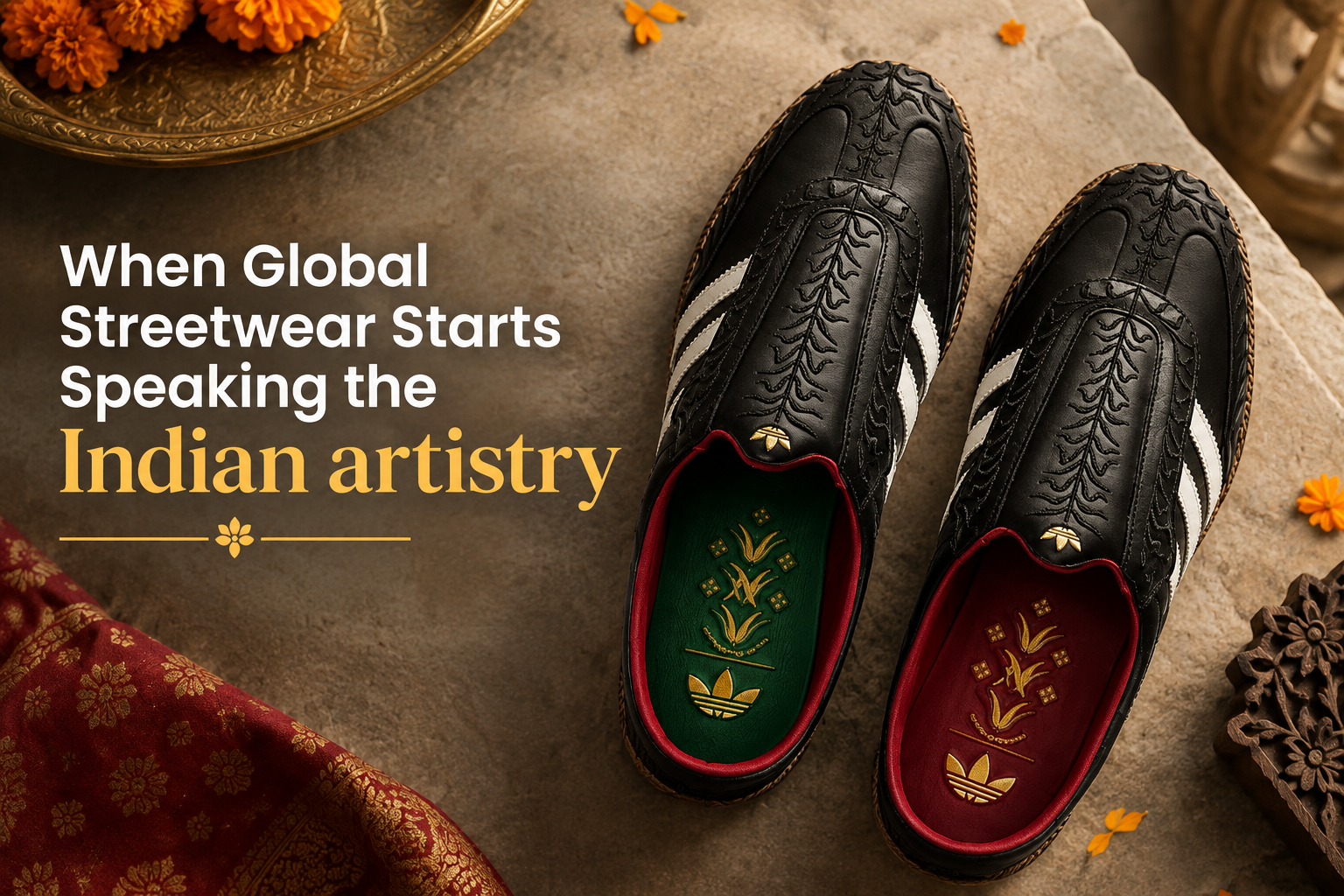
When Global Streetwear Starts Speaking the Indian Artistry
A sneaker does not always need to look completely different to tell a new story. The latest Adidas Originals collaboration with New Delhi-based sneaker and streetwear retailer VegNonVeg is a good example. Instead of creating an entirely new shoe, the two brands have taken one of Adidas’ most recognisable silhouettes, the Samba, and reworked it…
-

ChatGPT’s Asian Expansion Signals a Shift Towards Intent-Led Advertising
Advertising has spent years trying to get closer to the moment when a consumer is ready to make a decision. Search engines captured intent through keywords, social plAdvertising has spent years trying to get closer to the moment when a consumer is ready to make a decision. Search engines captured intent through keywords, social platforms…
-
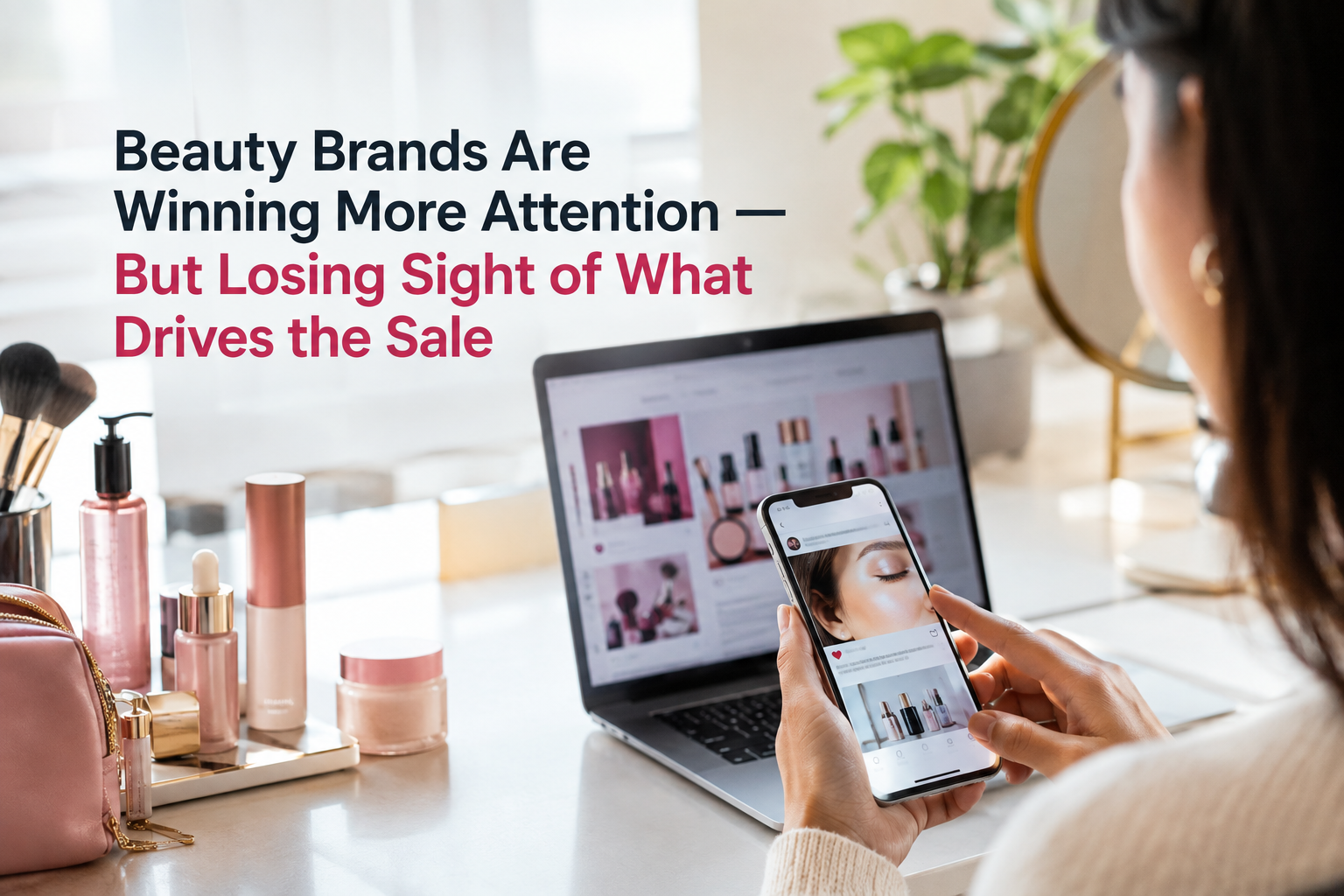
Beauty Brands Are Winning More Attention — But Losing Sight of What Drives the Sale
India’s festive season is becoming less of a single shopping moment and more of a long consumer journey. For beauty brands, that journey now begins with creators, continues through social feeds and search, moves into marketplaces or quick commerce, and can end in a physical store. The opportunity is larger than ever. So is the…