

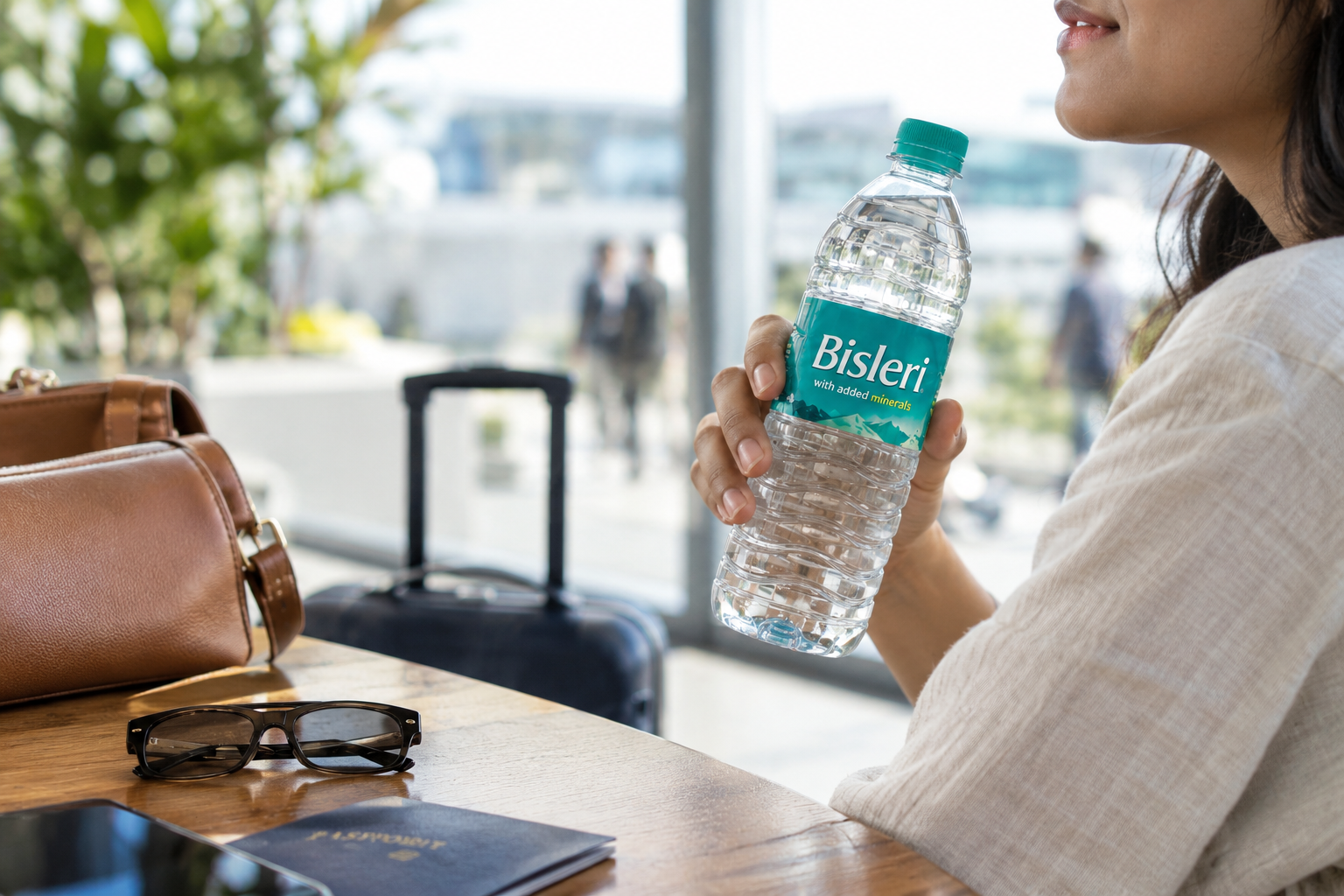
For millions of Indians, packaged drinking water has become a convenient choice, particularly when travelling, dining at restaurants, or staying at hotels. Consumers rely on bottled water with the expectation that it meets essential safety standards. This makes product quality and consumer confidence important priorities for brands operating in the category.
The Food Safety and Standards Authority of India (FSSAI) has sanctioned prosecution against Bisleri International after a sample of its packaged drinking water was declared unsafe. The development has brought attention to India’s $4-billion packaged drinking water industry, creating an opportunity for a wider discussion around product quality, regulatory standards and consumer confidence. (Source: Money Control)
While the matter concerns a particular batch of Bisleri water, it also brings an important industry-wide question into focus: how can packaged drinking water manufacturers continue to strengthen quality standards and maintain consumer confidence? The development offers an opportunity to examine the role of regular testing, regulatory oversight, and transparent communication across the sector.
When Packaged Water Becomes a Matter of Consumer Confidence
The growing preference for packaged drinking water is closely linked to the importance Indian households place on access to safe drinking water. A LocalCircles survey covering more than 29,000 urban households across 284 districts found that 84% of respondents use a water purifier or RO system to make their water suitable for drinking and cooking. Only 2% said they consume municipal water without any treatment. (Source: ThePrint)
These findings highlight how important access to safe drinking water remains for Indian households. Packaged water has become a convenient option, particularly when people are travelling or consuming food and beverages outside their homes.
For packaged water manufacturers, this creates an important responsibility to maintain consistent product quality and meet prescribed safety standards. As consumers increasingly rely on these products, strong quality practices become essential to building confidence in the category and supporting its long-term growth.
Also Read: From CSR to Customer Trust: What Blinkit’s Ambulance Initiative Teaches Modern Brands – TrustCircle
Strengthening Quality Checks Across the Industry
The FSSAI action has brought attention to the quality control practices followed by packaged drinking water manufacturers. The regulator declared a Bisleri water sample unsafe after tests found that it did not meet the prescribed limits for bromate. A referral laboratory subsequently detected polycyclic aromatic hydrocarbons (PAHs), another group of chemical substances.
The development comes amid changes in India’s packaged water regulations. In October 2024, the government removed the requirement for mandatory Bureau of Indian Standards (BIS) certification for packaged drinking water and mineral water. FSSAI subsequently classified these products as high-risk, making inspections and third-party audits mandatory. A new testing scheme came into effect in January 2026.
These regulatory developments highlight the importance of regular testing and consistent quality checks across the sector. A report cited in the coverage found that 513 out of 660 packaged water samples collected in Uttar Pradesh over the past year were either unsafe or substandard. (Source: ThePrint)
The findings underline the value of a consistent approach to quality assurance across the industry. Large national brands, regional manufacturers, and smaller packaged water businesses all have an opportunity to strengthen their testing processes and follow prescribed safety standards. Such efforts can contribute to a more reliable market and help consumers make their choices with greater confidence.
Why Transparency Matters for Consumer Confidence
For an established brand like Bisleri, consumer confidence is an important part of its long-standing market presence. When consumers purchase drinking water, they rarely examine laboratory reports or understand the technical details behind quality standards. They rely on the brand, its reputation, and the assurance that the product meets the required safety standards.
This makes clear and timely communication particularly important whenever questions about product quality arise. Sharing relevant test results, explaining the steps being taken, and addressing consumer concerns can help people understand the situation better.
Bisleri has disputed the regulator’s findings on bromate levels, stating that subsequent tests, including independent laboratory testing, found them within permissible limits. The company has also acknowledged the referral laboratory’s findings on PAHs. It maintains that it submitted its independent test results to FSSAI in February 2026 and has received no further communication.
It is important to note that the sanction for prosecution is not a court conviction. The findings and the company’s response remain subject to the legal process. As the matter progresses, clear communication from both the company and the regulator will help consumers understand the findings and the next steps.
An Opportunity for Brands Across the Consumer Industry
The developments surrounding Bisleri offer an important learning opportunity for brands across the consumer industry: building consumer trust takes time, and maintaining it requires consistent effort.
Whether a business operates in food and beverages, personal care, healthcare, or any other consumer-facing category, product quality and transparency play an important role in how customers perceive a brand. Marketing and brand recognition may introduce consumers to a product, but their experience with its quality helps shape their confidence and willingness to return.
Brands can strengthen this relationship by maintaining consistent quality checks, following industry standards, and communicating openly whenever questions or concerns arise. Equally important is the ability to respond to consumer expectations with clarity and accountability. Consumer trust is an ongoing business priority that grows through consistent actions and experiences.
For the packaged drinking water industry, this means placing product safety and consistent quality at the centre of growth. For the wider consumer industry, it is a reminder that long-term brand value is closely connected to the confidence customers place in the products they choose.
Ultimately, businesses that make quality, transparency, and consumer confidence everyday priorities can build stronger foundations for lasting customer relationships.