

Category: Branding
-
The Global Brands Turning to India: What Their 2026 Moves Tell Us About the Market
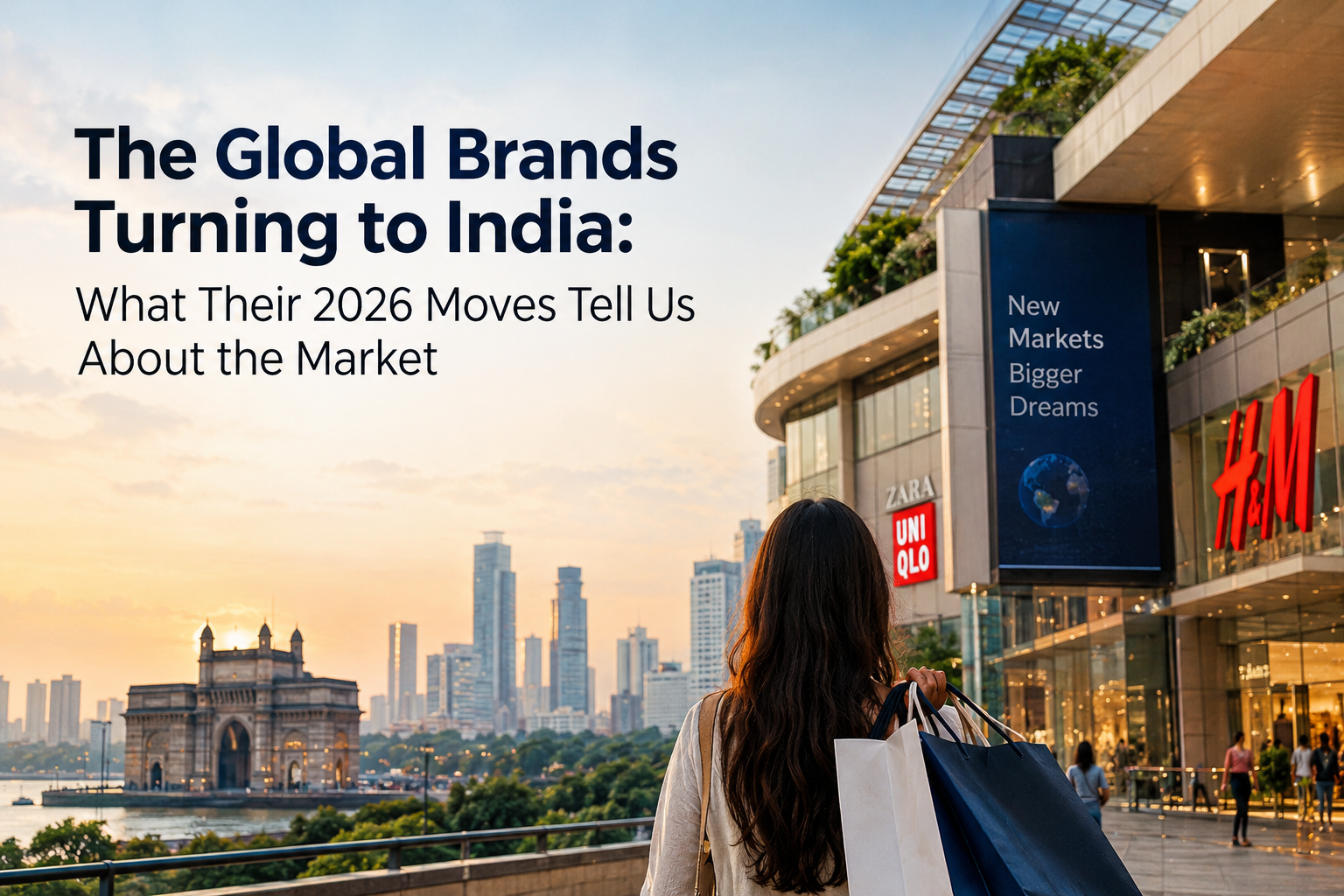
India is increasingly becoming a priority market for international businesses looking to expand their global footprint. A growing consumer base, rising demand for premium products and rapid digital adoption are creating opportunities across industries, from fashion and beauty to food, retail and technology. However, entering India is not simply about bringing an international product to…
-
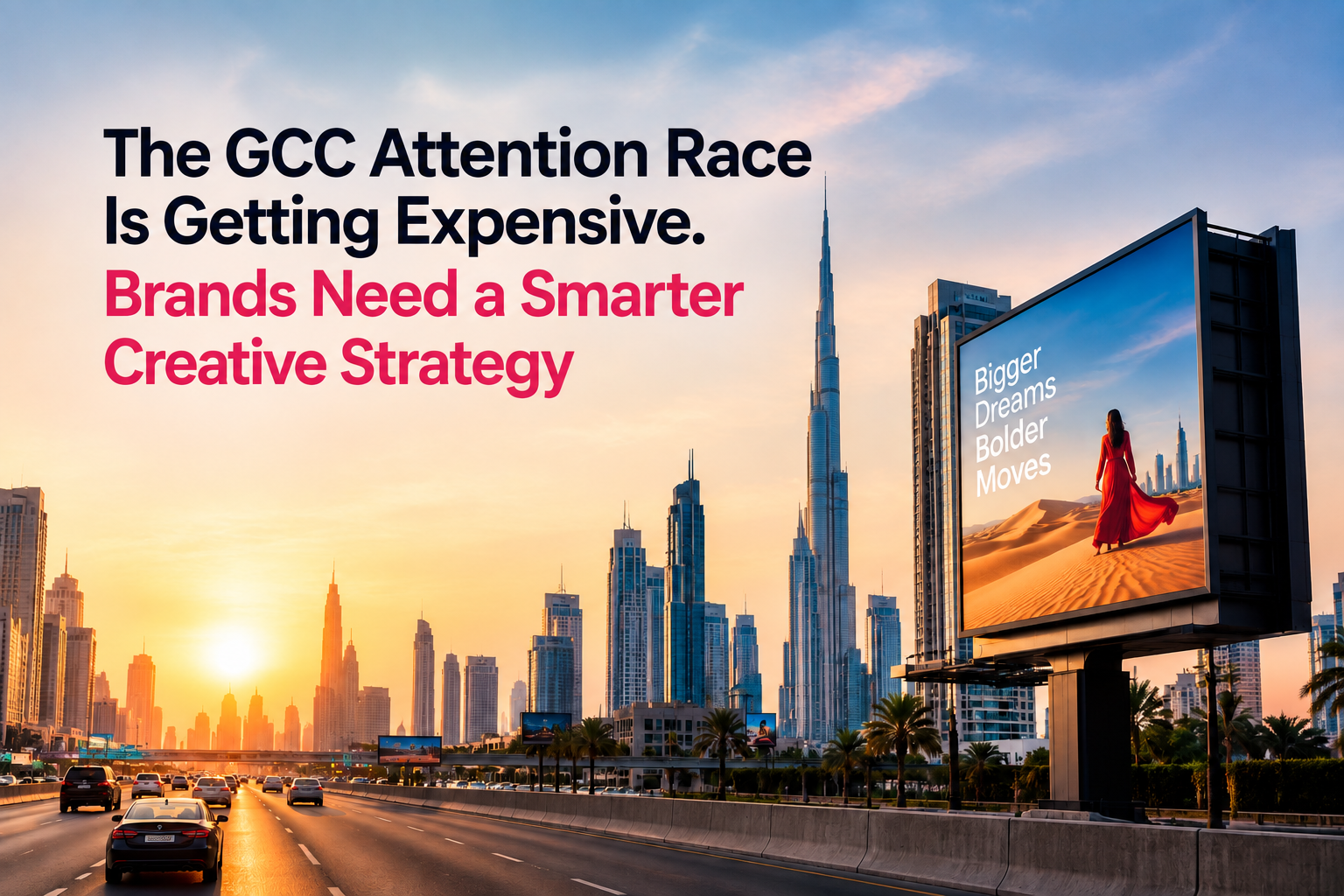
The GCC Attention Race Is Getting Expensive. Brands Need a Smarter Creative Strategy
The Gulf’s digital advertising opportunity is growing rapidly, but so is the cost of getting noticed. According to Expresswire, digital ad spending in Saudi Arabia is expected to reach $4.68 billion in 2026, marking 16.8% year-on-year growth. Yet as advertising continues to expand, brands face a growing challenge: audiences are seeing more ads, while individual…
-

The Festive Creator Shift: Why Brands Are Betting on Micro Influencers Beyond the Sale
Festive marketing has always been about being visible when consumers are most ready to spend. But in 2026, visibility alone is becoming a weaker measure of influence. As consumers turn to creators for recommendations, comparisons and product discovery, brands are beginning to rethink not just who they work with, but how creator budgets are structured.…
-
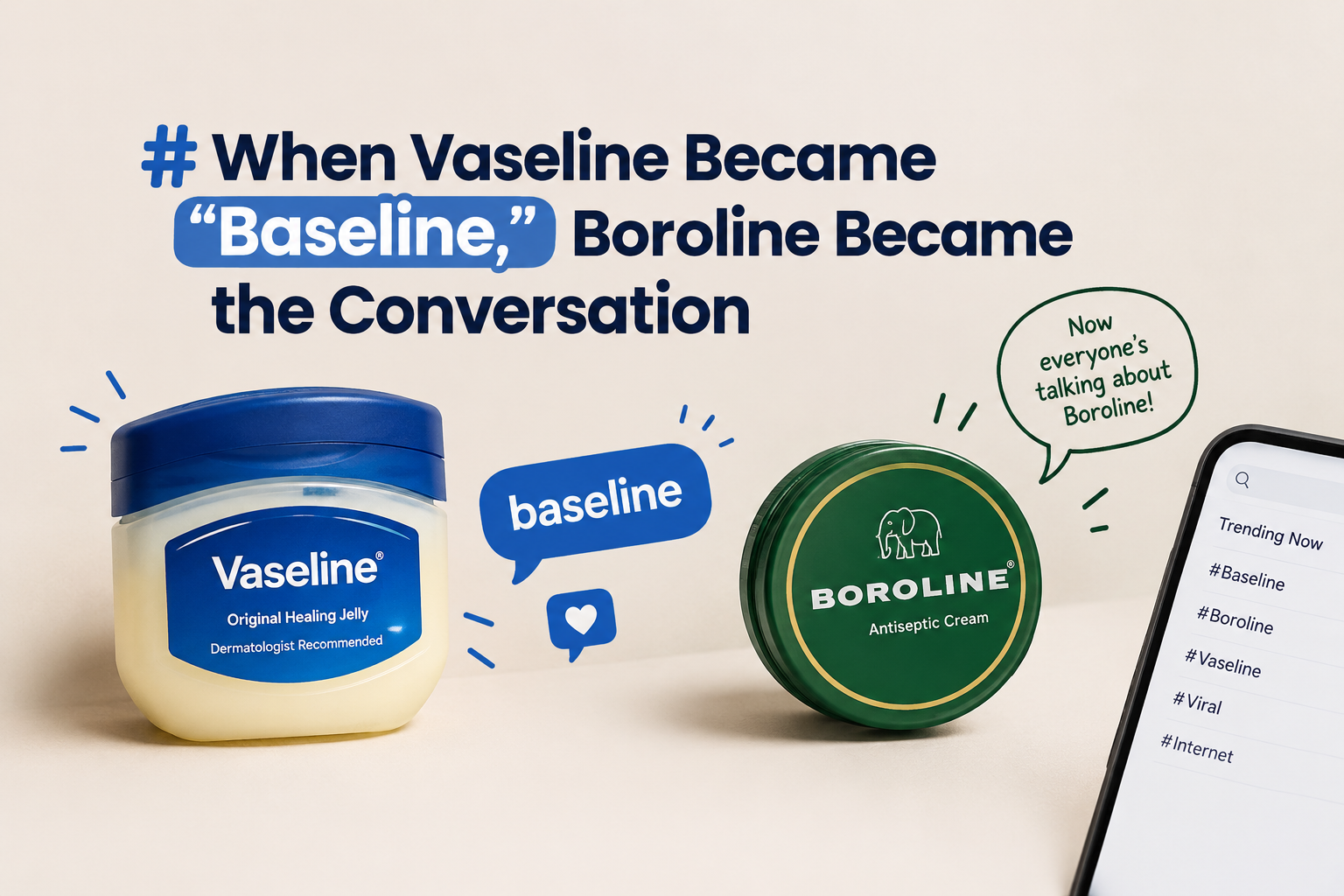
When Vaseline Became “Baseline,” Boroline Became the Conversation
A viral pronunciation mistake turned Vaseline into “Baseline.” But in India, the internet found another name to bring into the conversation: Boroline. At first glance, this looks like another fleeting social-media joke. A Korean creator pronounced Vaseline as “Baseline”; the video went viral, and Vaseline itself leaned into the moment with a playful “Baseline” identity.…
-
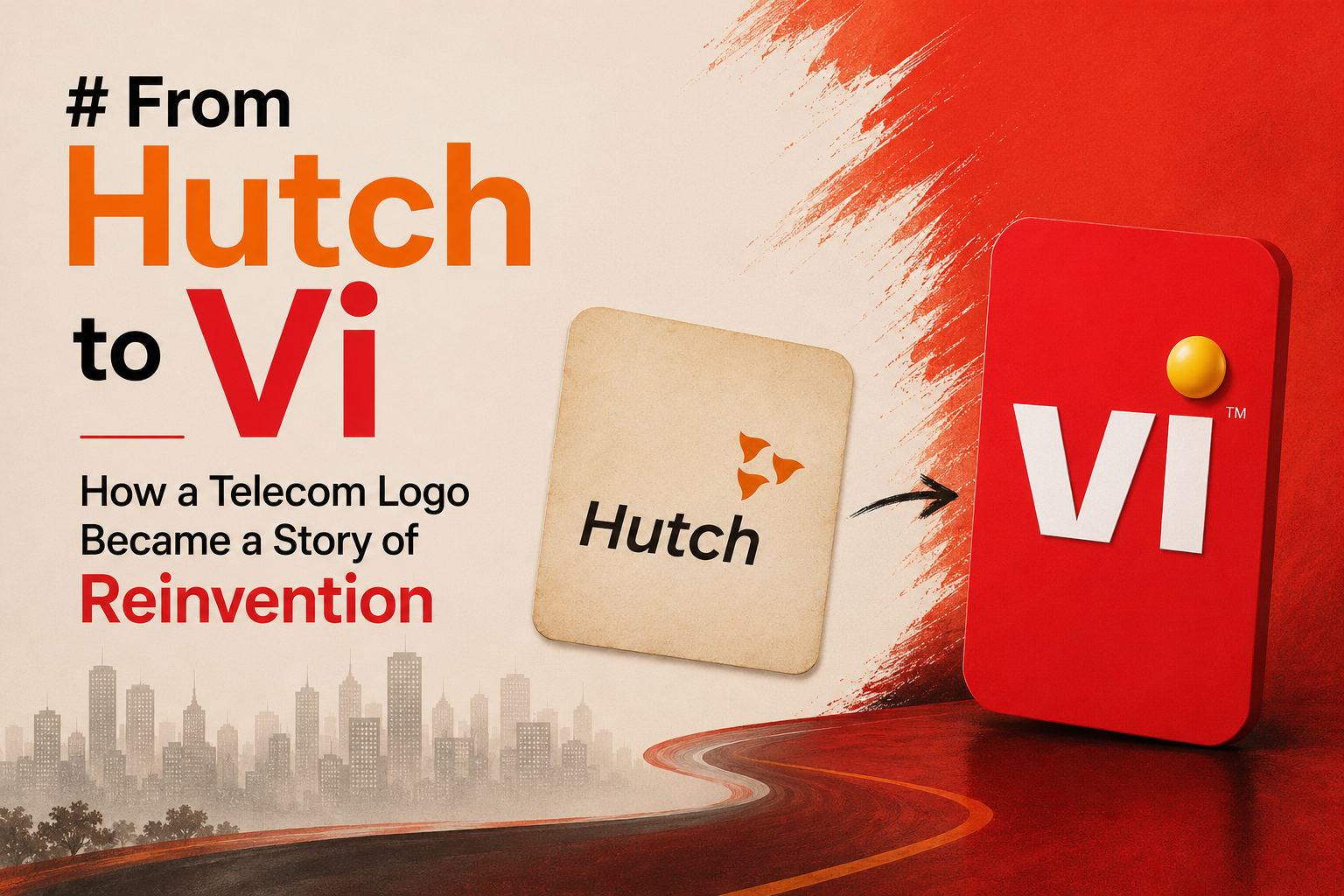
From Hutch to Vi: How a Telecom Logo Became a Story of Reinvention
A logo is often the first thing a consumer remembers about a brand, but for a telecom company, it can become much more than a visual signature. It can represent an era, a business strategy, and even the changing expectations of millions of customers. Few Indian brands demonstrate this better than the journey from Hutch…
-
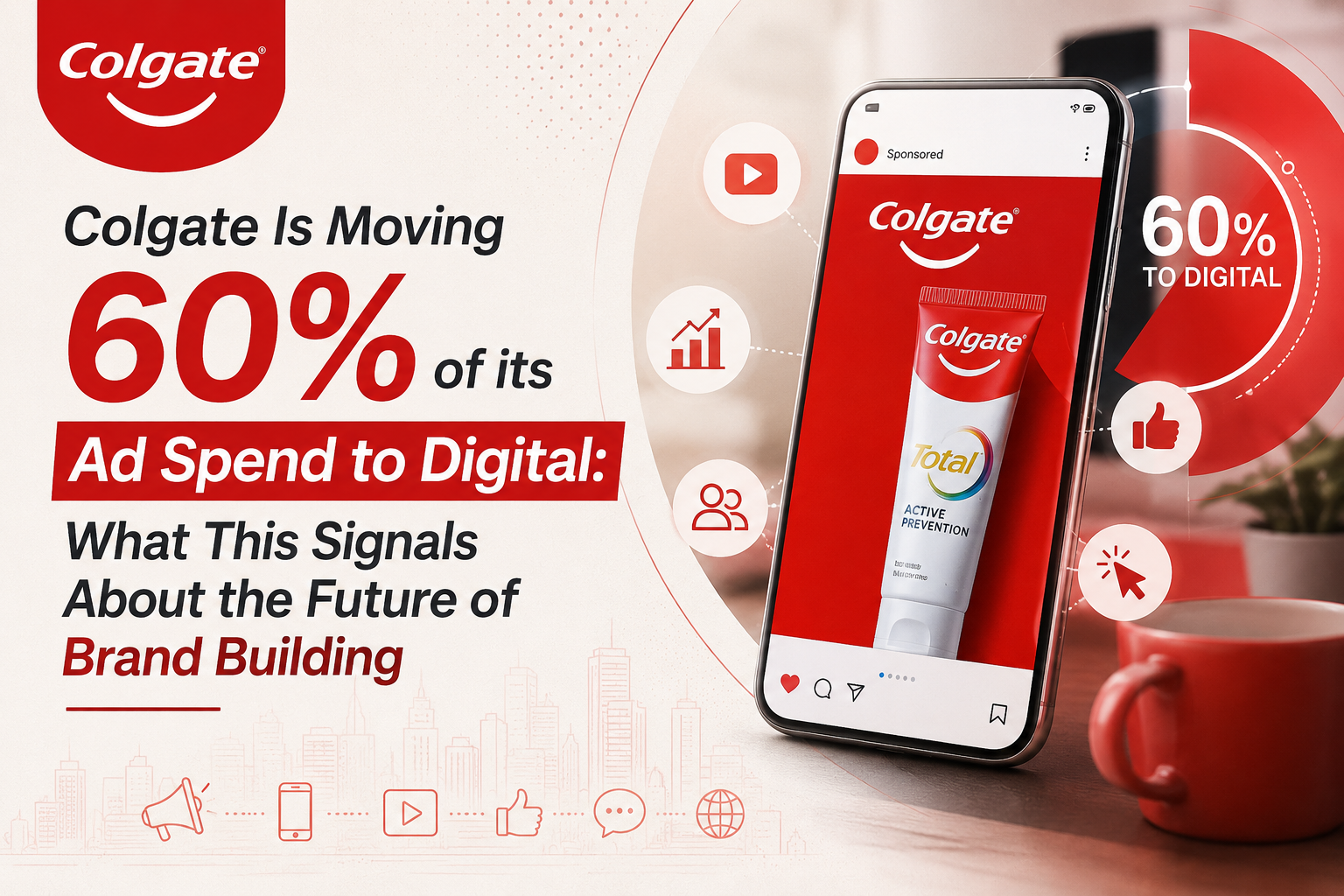
Colgate Is Moving 60% of its Ad Spend to Digital: What This Signals About the Future of Brand Building
For decades, television was the engine behind FMCG brand building: reach millions, build familiarity, and stay top of mind. Now, one of India’s biggest FMCG names is rewriting that playbook. Colgate-Palmolive India is putting around 60% of its advertising spend into digital—a shift that says less about where Colgate is buying media and more about…
-
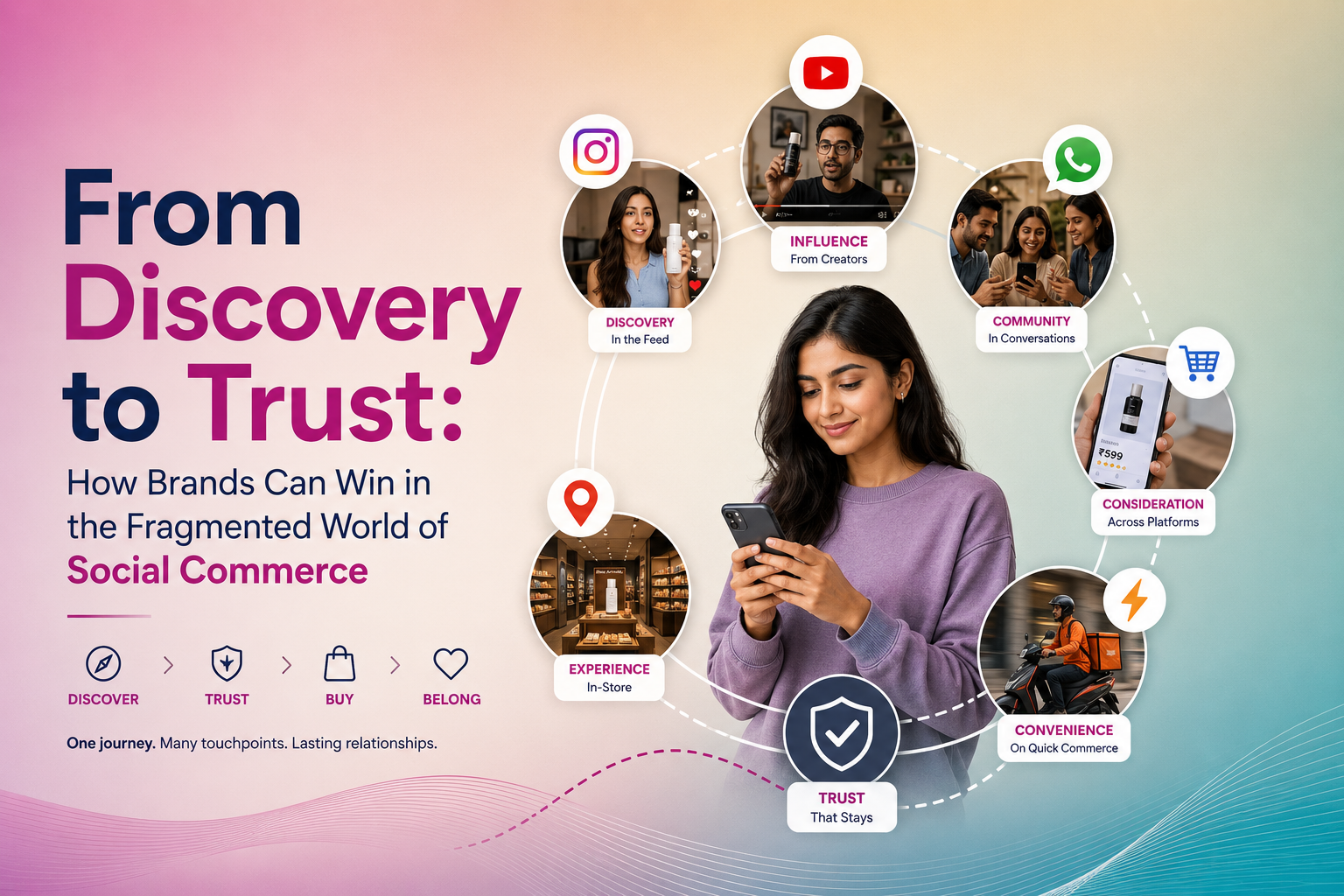
From Discovery to Trust: How Brands Can Win in the Fragmented World of Social Commerce
A customer can discover a product on Instagram, watch a creator talk about it on YouTube, ask about it in a WhatsApp group, compare it on a marketplace, buy it through a quick-commerce app, and encounter the same brand again in a physical store. The journey is no longer linear. It is fragmented across platforms,…
-
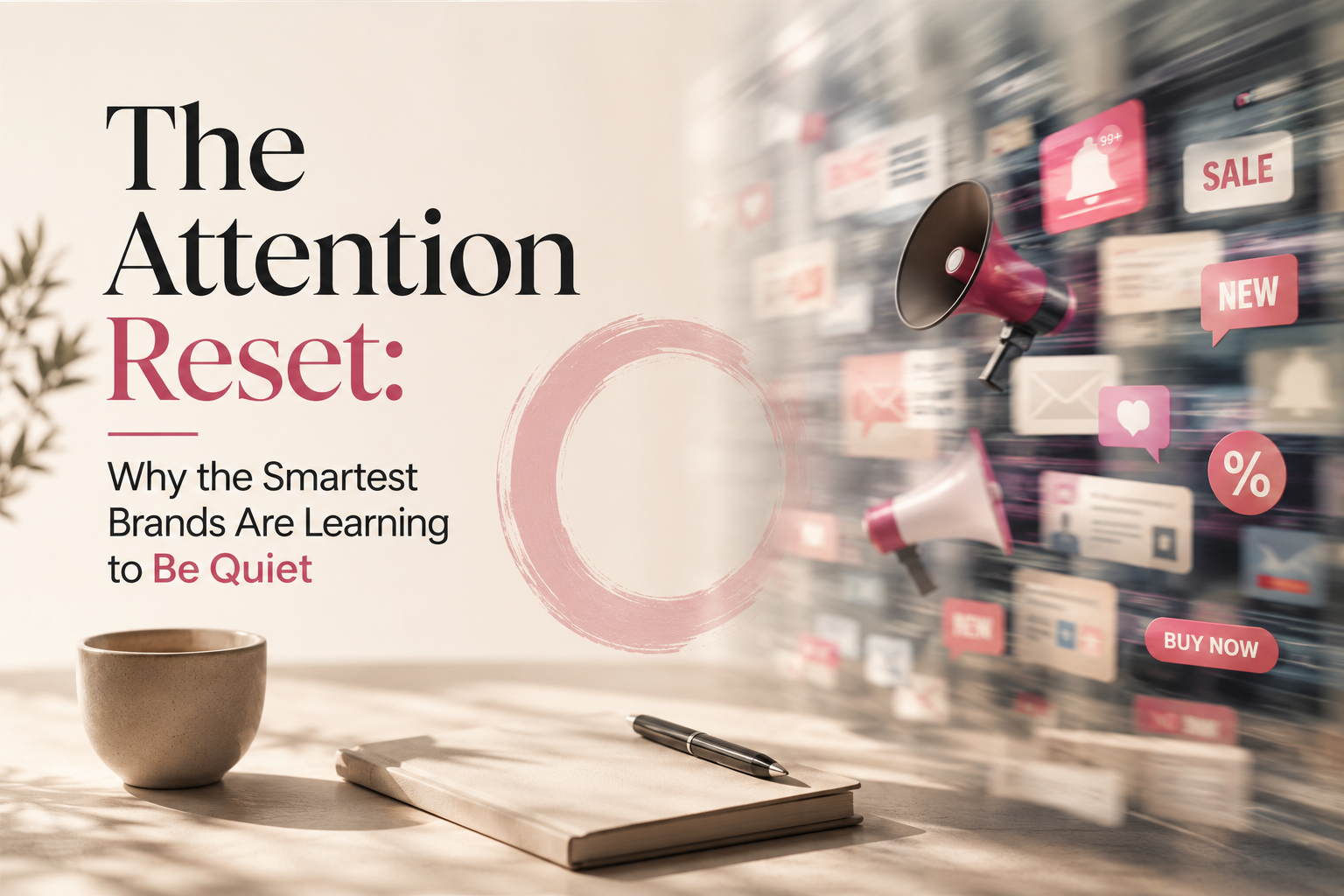
The Attention Reset: Why the Smartest Brands Are Learning to Be Quiet
For over a decade, marketing has operated on a simple rule: more visibility equals more growth. The louder, faster, and more frequently a brand appeared, the greater its chances of winning attention. The problem is no longer a lack of content—it is an overwhelming excess of it. Consumers are not just scrolling; they are filtering,…
-

From Discounts to Experiences: How India’s Festive Shopper Is Rewriting the Retail Playbook
For nearly two decades, India’s festive retail calendar has revolved around one simple proposition: offer the deepest discount and consumers will come. Whether it was Diwali electronics sales, fashion mega-events, or end-of-season offers, the festive season became synonymous with price wars. Retailers conditioned consumers to postpone purchases until brands slashed prices, while marketplaces competed on…
-
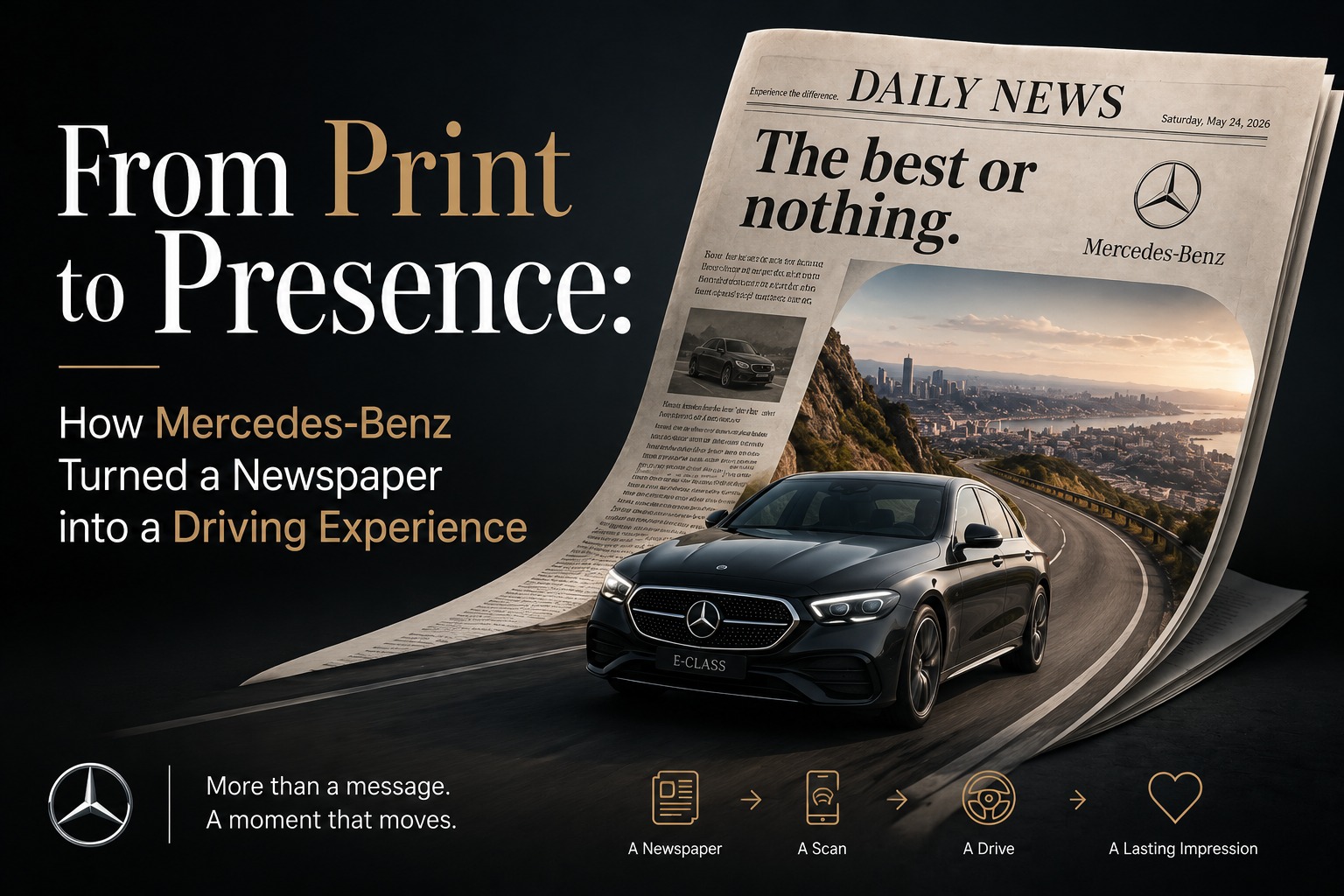
From Print to Presence: How Mercedes-Benz Turned a Newspaper into a Driving Experience
In a world where attention spans are shrinking and digital noise is deafening, it’s ironic that one of the most immersive brand experiences comes not from a screen but from a newspaper. The recent print innovation by Mercedes-Benz flips the script on traditional advertising, reminding us that creativity is not dependent on technology, but on…