

When Snitch partnered with Samay Raina for the second season of India’s Got Latent, it agreed to something most advertisers would hesitate to consider: a brand association without a single promotional mention, logo placement, or on-screen acknowledgement.
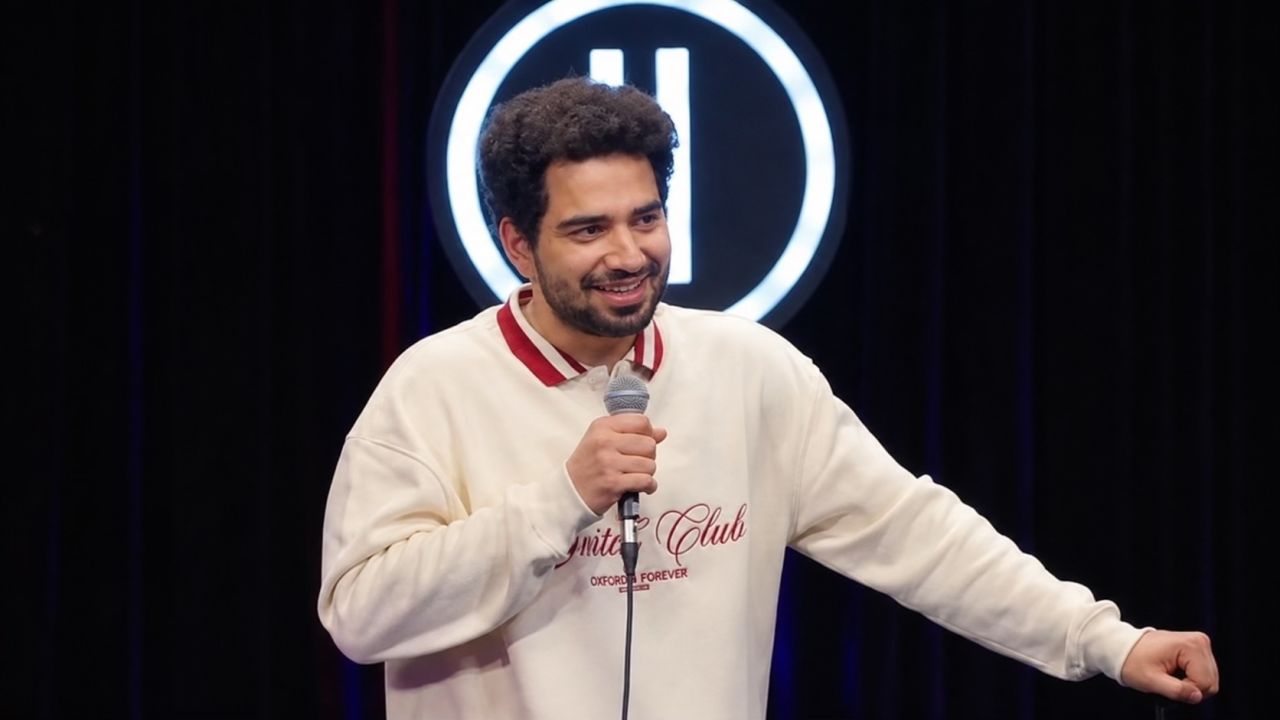
The Bengaluru-based fashion brand took a different route. Instead of purchasing a conventional sponsorship slot, Samay Raina and fellow panellist Balraj Ghai were allowed to wear its T-shirts and sweatshirts during the show. There were no scripted endorsements or sales pitches. The products simply appeared as part of the creators’ outfits.
The reported outcome was striking. According to Viraj Seth, co-founder and CEO of Monk Entertainment, which works with Raina, the sweatshirt worn in the first episode sold out within 15 minutes of its release. Searches for the keyword ‘sweatshirt’ reportedly increased by 4,000%, while the association generated 1.5 billion views, 28 billion seconds of viewing, and a 40% increase in website traffic. (Source: Best Media Info)
Seth also attributed Rs 93 crore in earned media value to the collaboration. (Source: BW Marketing) The numbers have since made the association a talking point in marketing circles. But beyond the reported results, the campaign raises a more interesting question: Does a brand always need to announce itself to make an impression?
Also Read: The Festive Creator Shift: Why Brands Are Betting on Micro Influencers Beyond the Sale – TrustCircle
When the Product Becomes Part of the Content
When India’s Got Latent returned for its second season in June 2026, it attracted several brands looking to associate with the popular show. AI+ Nova Smartphone came on board as the powered-by sponsor, Flipkart Minutes as the quick-delivery partner, and Avvatar as the protein partner. By then, the conventional sponsorship slots were already occupied. However, Snitch co-founder Siddharth Dungarwal was keen to explore an association with Raina.
As Seth recalled in a social media post, his proposal was simple: Raina would wear Snitch apparel, but the brand would receive no logos, callouts, or verbal mentions. Dungarwal agreed to the arrangement despite the absence of the promotional guarantees that usually accompany creator partnerships.
Interestingly, the outfits themselves became a talking point. Viewers began creating fan edits and discussing the black-and-white clothing worn by Raina and Ghai, with some interpreting the combination as a deliberate fashion statement. Seth later clarified that the styling was not a planned creative concept; the colour combination had simply emerged because there were no other T-shirts available.
Nevertheless, the audience had found something to discuss, and Snitch became part of that conversation. This is where the collaboration offers an interesting marketing lesson. A product does not always need to interrupt entertainment to attract attention. When it fits naturally into the content, audiences may notice it, discuss it, and actively look for it themselves.
Why Audiences Are Responding Differently to Advertising
Consumer attention has become harder to earn. Audiences encounter promotional messages across social media, streaming platforms, websites, and traditional advertising channels every day. As a result, content that feels like a direct sales pitch can struggle to hold their interest.
This is partly why comedians and digital creators have become valuable partners for brands. Their audiences follow them for their humour, opinions, storytelling, and personality. A brand that becomes part of this existing relationship has an opportunity to reach consumers in a more natural setting.
Snitch’s CMO and founding team member Chetan Siyal captured this shift while speaking to Exchange4Media. He explained that comedians, meme creators and culturally relevant entertainers can place brands inside conversations people are already enjoying, making them feel less like interruptions and more like part of popular culture.
The same thinking extends beyond fashion. Bold Care, Urban Jungle and Man Matters have also highlighted the value of creator partnerships in reaching audiences through entertainment-led communication. (Source: Exchange4Media)
However, this does not mean every creator collaboration will deliver the same results. The creator’s audience, personality, and content need to align with the brand. A partnership that feels forced can easily become another promotional post that audiences scroll past.
From Viral Views to Measurable Business Impact
Another important takeaway from the Snitch association is the need to look beyond visibility. While the reported 1.5 billion views and 40% increase in website traffic indicate considerable attention, views alone cannot establish whether a campaign has built lasting brand value. (Source: Best Media Info) Marketers are increasingly examining metrics such as branded searches, website visits, quality of engagement, customer acquisition, conversion rates, and repeat traffic.
Urban Jungle, for instance, identified an increase in Amazon brand searches as an important indicator of consumer interest following its creator collaborations. The metric suggested that audiences were actively looking for the brand rather than simply viewing its content.
Snitch’s reported 4,000% increase in sweatshirt searches offers a similar point of interest, although the available figures do not establish how much of that search activity translated into purchases beyond the reported product sellout. (Source: Marketing Mentalist)
For brands, the distinction matters. Getting someone to watch a creator is one achievement; giving them a reason to remember, search for, and eventually purchase a product is another.
Also Read: Digital Commerce Coalition: What It Means for Customers & Brands in 2026 – TrustCircle
Creator Marketing Needs More Than a Viral Moment
Despite the attention around the collaboration, Snitch’s approach should not be mistaken for an argument against conventional advertising. The brand’s broader marketing strategy continues to involve significant investments across channels. Its advertising and marketing expenditure increased 30% to Rs 108 crore in FY26, while operating revenue rose from Rs 498.19 crore in FY25 to Rs 834.82 crore. However, its net loss also widened to Rs 27.07 crore, and operating cash flow turned negative. (Source: Marketing Mentalist)
These figures offer an important reminder: generating demand is only one part of building a sustainable business. Brands still need strong distribution, product availability, customer experience, and financial discipline to convert attention into long-term growth. Siyal has also explained how Snitch approaches its marketing channels, with digital driving discovery, creators helping consumers imagine wearing the products, and physical stores allowing them to experience and purchase them.
Each channel serves a different purpose, and creator partnerships work best when they are part of this larger ecosystem.
The Future of Marketing Is About Earning Attention
The Snitch–Samay Raina association demonstrates how a brand can gain visibility without relying on the promotional formats traditionally associated with sponsorships. Its success, as reported by Monk Entertainment, also highlights the influence creators can have when their content connects with an audience beyond the screen. For marketers, the lesson is not to abandon brand mentions, sponsorships, or paid advertising. It is to reconsider how and where brands appear in people’s everyday content.
Sometimes, the strongest brand recall does not begin with a company telling consumers what to buy. It begins when consumers notice something they like, become curious about it, and choose to find out more. In an increasingly crowded attention economy, that curiosity could be one of the most valuable outcomes a marketing campaign can create.