


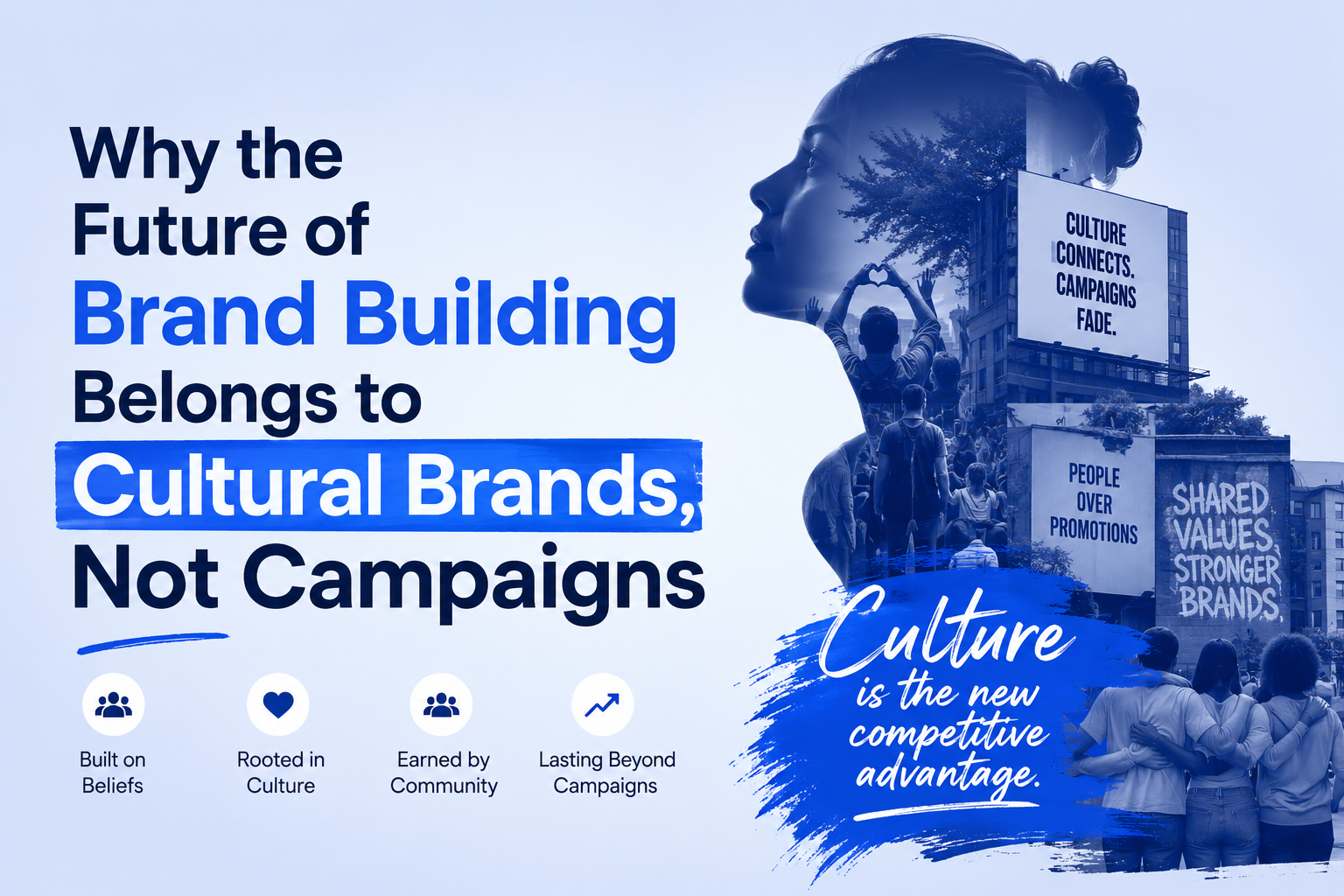
India’s brand landscape is undergoing a subtle but powerful shift. In an era where consumers are constantly bombarded with advertisements, traditional campaigns are no longer enough to capture attention or build lasting recall. Instead, brands are increasingly competing on something far more enduring: cultural relevance.
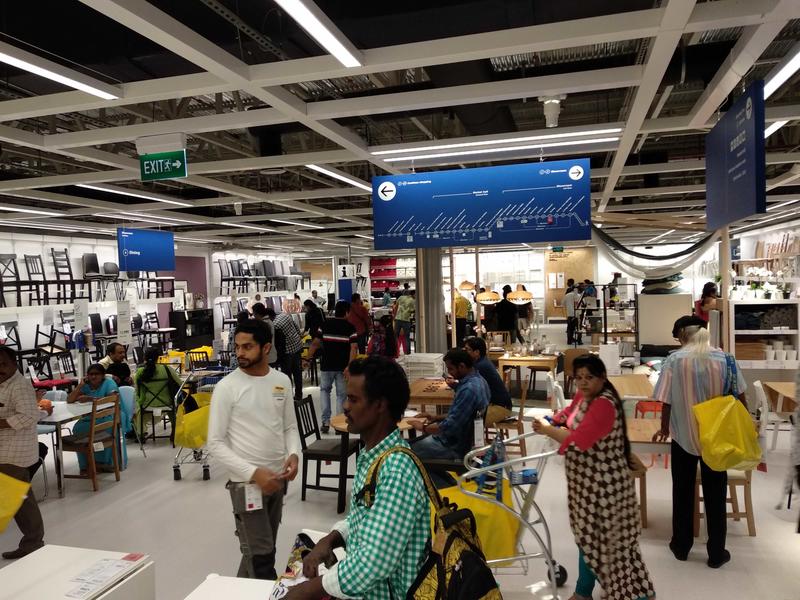
A recent campaign by IKEA highlights this transformation. Rather than focusing solely on product features or functional benefits, the brand positioned itself within the emotional and cultural fabric of everyday Indian life. This reflects a broader industry trend where brands are no longer just selling products or running campaigns; they are creating experiences that resonate with how people live, feel, and connect.
As digital saturation grows and consumer attention becomes harder to earn, the future of brand building is shifting from short-term campaign visibility to long-term cultural integration. In this new landscape, brands that embed themselves into culture, rather than interrupt it, are the ones that will remain relevant.
A cultural brand doesn’t simply market products; it becomes associated with the routines, values, and conversations that already shape people’s lives.
What’s Driving the Shift in Consumer Behaviour
The evolution of brand building is closely tied to a fundamental change in how consumers interact with advertising. In today’s digital-first environment, audiences are exposed to an overwhelming volume of brand messages еveryday, resulting in ad fatigue and reduced attention spans. Traditional interruptive advertising is steadily becoming less effective, as consumers increasingly filter out content that feels irrelevant or overly promotional.
This shift also reflects a broader reality where consumers are constantly presented with multiple choices, making it harder for brands to stand out through traditional means. In such an environment, cultural relevance becomes a key differentiator, enabling brands to cut through the noise and build meaningful connections. (Source: First launch)
As a result, engagement today is driven by authenticity and relevance rather than reach alone. Consumers connect with brands that align with their values and feel integrated into their daily lives. This shift marks a transition from persuasion-led campaigns to connection-driven brand building, where cultural resonance becomes a critical factor in earning attention and trust.
How IKEA Turned a Product Category into a Cultural Narrative
IKEA demonstrates how brands are moving beyond product-led communication. Instead of highlighting features like design, storage, or pricing, the brand chose to focus on the deeper meaning of kitchens in everyday life. This shift from functional selling to emotional storytelling reflects a larger change in how modern brands are choosing to connect with consumers.(Source: Economic Times Brand Equity)
In Indian homes, kitchens are far more than just cooking spaces; they are where families gather, conversations unfold, and daily rituals take shape. From morning chai routines to late-night conversations, these spaces carry emotional weight. By tapping into these culturally familiar experiences, IKEA made its campaign highly relatable, showing an understanding of how people actually live rather than just what they need to buy. This made the communication feel less like advertising and more like a reflection of real life.
This approach highlights the growing importance of cultural insight in modern marketing. By aligning with real-life behaviours, emotions, and social contexts, the brand was able to create a sense of authenticity that traditional campaigns often lack. Instead of simply promoting a product category, IKEA transformed it into a meaningful narrative one that resonates with consumers on a deeper level and stays with them beyond the campaign itself.

Why Cultural Branding Is the Only Sustainable Edge
In today’s market, products and promotions are easier to replicate than ever. Features can be copied, pricing can be matched, and even the most creative campaigns tend to have a short shelf life. With increasing competition and shrinking attention spans, differentiation based purely on product or communication is becoming less effective. What truly sets brands apart now is something far less tangible, yet far more powerful: cultural relevance.
IKEA’s campaign worked not because it sold kitchens, but because it sold what kitchens represent in Indian homes. That distinction illustrates why cultural branding creates a much deeper layer of connection than feature-led advertising. Unlike campaigns that fade once the media spend ends, these culturally rooted connections continue to strengthen over time, making brands more recognisable, relatable, and meaningful in people’s everyday lives.
This is what makes cultural branding a true competitive advantage. It builds emotional equity that competitors cannot easily replicate. While others compete for visibility through ads and promotions, culturally rooted brands compete on resonance, earning attention naturally because they reflect what people already care about.
In the long run, this kind of relevance compounds. It turns brands into familiar presences within culture rather than occasional interruptions. And that is what makes cultural branding not just effective, but sustainable in an increasingly crowded and competitive landscape.
What Marketers Should Do Differently
For marketers, this shift requires a change in mindset as much as in strategy. Instead of starting with the product or campaign, brands need to start with culture. The question is no longer “How do we get people to notice us?” but “Where does our brand naturally fit into people’s lives?” Understanding everyday behaviours, shared values, and cultural moments should become the foundation of brand building, not an afterthought.
This also means measuring success differently. While impressions and reach remain important, lasting brand value is created when people choose to engage with and share a story because it reflects their own experiences, not simply because they were exposed to an advertisement. Campaigns should therefore be built around genuine cultural insights rather than short-term promotional messages.
Ultimately, the brands that succeed will be those that participate in culture instead of interrupting it. Rather than creating noise to capture attention, they create relevance by becoming part of conversations and moments that already matter to their audience. That is what turns campaigns into long-term brand equity.
Conclusion
The future of brand building will not be defined by who runs the loudest campaigns, but by who builds the deepest and most meaningful connections. In a world where consumers are constantly filtering out noise, relevance is no longer optional; it’s the foundation of staying visible and valuable.
Brands that invest in understanding culture and consistently show up within it earn a place in people’s lives, not just their screens. They move from being seen as advertisers to becoming participants in everyday moments, conversations, and rituals. This shift transforms how brands are perceived, turning them into something more enduring than just a product or a promotion.
What sets these brands apart is their ability to create meaning over time. While campaigns can spark attention, they are often temporary. Cultural connections, on the other hand, compound building familiarity, trust, and emotional equity with every interaction.
In the end, the brands that will lead the future are not the ones chasing visibility, but the ones embedding themselves into culture. Because while campaigns can be created overnight, cultural relevance is earned, and that’s what truly lasts.