

Black Friday has traditionally been a competition around prices, with retailers using discounts to attract shoppers during one of the year’s biggest shopping periods. In 2026, however, several brands are approaching the event with a broader marketing idea: giving consumers a reason to engage with the campaign before they even consider making a purchase.
From IKEA turning bargain-hunting into a joke to fashion label Fayt replacing conventional discounts with customer prizes, early Black Friday campaigns are exploring different ways to attract attention. The common thread is a shift in what brands are offering audiences before the sale: an idea, an experience, or something worth talking about.
This reflects an important change in promotional marketing. Launching a campaign early gives brands more time to reach consumers. Giving it a distinctive concept can make that time more valuable by creating opportunities for interaction, recall, and conversation.
When a Discount Becomes a Campaign Idea
IKEA Australia and New Zealand has built its Black Friday campaign around a familiar consumer behaviour: finding a good bargain and wanting to keep it a secret. Titled “Deals You’ll Want to Keep to Yourself“, the campaign, created by Havas Host, uses humour to explore the idea of gatekeeping. Its execution spans video, outdoor, audio, and social media, with co-workers and creators contributing content for different platforms.
The interesting part is how IKEA has connected its promotional message with a recognisable human behaviour. Rather than making the discount the entire story, the brand has created a situation that audiences can relate to. This gives its advertising a distinct identity while keeping the offer at the centre of the shopping experience.
The campaign also reflects the importance of understanding local consumer behaviour. IKEA’s marketing team chose to develop a locally created idea because the search for good value holds particular significance for Australian and New Zealand shoppers. This allowed the brand to connect a global shopping event with a familiar regional behaviour, making the campaign feel more relevant to its audience. (Source: Campaign Brief)
Australian fashion label Fayt has taken a different approach through its “Change Your Fayt” campaign. Instead of reducing product prices, the brand is keeping its products at full price while distributing $100,000 in customer prizes. These include a main cash prize, vouchers, gold keychains, and in-store scratch cards.
This changes the incentive behind the purchase. Customers are being given an opportunity to win something rather than simply save on their shopping. Founder Brittney Saunders has also spoken about customer unbagging videos, creating anticipation and conversation around the campaign. The approach gives the brand an opportunity to extend engagement beyond the initial purchase through prize discoveries and customer-generated content.
Saunders’ decision also reflects a wider concern about customer behaviour during the discount season. She believes that when brands offer discounts too frequently, customers can start waiting for the next sale instead of purchasing products at their regular prices. This can make it harder for businesses to understand the actual demand for their products and maintain healthy margins.
For brands, this raises an important question: are Black Friday promotions encouraging purchases that customers would have made anyway, or are they making discounts the main reason to buy? Fayt’s approach offers an alternative worth exploring, where rewards and customer participation become part of the purchase incentive. (Source: Ragtrader)
Both campaigns show how a promotional offer can become more memorable when it is built around an idea that audiences can recognise or participate in.
Also Read: The Discount Dilemma: Are Brands Trading Long-Term Growth for Short-Term Sales? – TrustCircle
Creating Urgency Through Product Value
Another interesting approach comes from Coach, which is placing greater emphasis on limited seasonal colourways rather than making price reductions the centre of its Black Friday communication. CEO Todd Kahn described the direction as: “Instead of necessarily screaming price, we’re screaming limitations.”
This reflects a different way of creating purchase urgency. Discounts encourage shoppers to compare prices and look for the best available deal. Limited product availability, on the other hand, can make a particular design or collection more desirable.
For premium brands, this distinction is important. Their marketing needs to give customers reasons to value the product beyond its price. By highlighting seasonal designs and limited availability, brands can build interest around the product itself while maintaining the positioning they want customers to associate with it.
Coach’s approach also reflects a wider shift in its product strategy. The brand is reducing its reliance on handbags priced below $200 and focusing more on its core 200–500 range. This is part of an effort to strengthen its product mix and maintain the value associated with its positioning. The development shows that promotional strategy is not just about how brands communicate offers; it is also about which products they choose to put at the centre of customer attention. (Source: Glossy)
Giving Customers a Reason to Return
Amazon is spreading its Black Friday and Cyber Monday offers across multiple days. Its 2026 shopping event will feature 12 days of themed deal drops across categories such as technology, fashion, beauty and toys, giving shoppers new offers to explore throughout the promotional period. The company has also scheduled additional deal drops on Black Friday and Cyber Monday. (Source: Business Wire)
Beauty retailer Care to Beauty is also extending the shopping window through a phased approach. Its early Black Friday offers are already live, with new discounts being added every day ahead of the main sale, which runs from November 17 to December 1. The event covers more than 500 brands and 30,000 products across beauty categories. This approach gives shoppers multiple opportunities to discover offers throughout the month rather than concentrating all promotional activity around Black Friday itself. (Source: Care to Beauty)
This highlights another opportunity in promotional marketing: creating fresh reasons for customers to return. Instead of concentrating all the attention around one sale announcement, brands can use scheduled launches, changing offers, and category-specific themes to sustain interest across the shopping period.
Also Read: Newspaper Advertising in 2026: How Brands Are Making Print More Creative – TrustCircle
Making Black Friday Relevant to Indian Shoppers
In India, MakeMyTrip’s “Travel Ka Muhurat” brings a local expression to the Black Friday shopping occasion. Its second edition features early access for MMTBLACK members, exclusive Friday deals and daily limited-inventory “Lightning Drops” between 6 p.m. and 9 p.m. Six campaign films featuring Alia Bhatt and Ranveer Singh cover different travel categories.
The campaign combines a familiar cultural expression with a global shopping event. The word “Muhurat” gives the promotion a context that Indian audiences can relate to, while scheduled offers create multiple opportunities for customers to explore travel deals.
There is also a larger idea behind the sale. MakeMyTrip believes travel deserves a planning season of its own, giving customers a dedicated window to explore options and book their year-end holidays in advance. The company has brought together more than 30,000 domestic and 3,500 international hotels and homestays, 35 airlines, and eight banking partners for the campaign. It also wants Travel Ka Muhurat to become a regular event on the travel calendar, helping customers plan ahead while allowing travel partners to prepare for peak-season demand. (Source: The Week)
This shows how a brand can build a shopping occasion around the buying cycle of its category. For travel, where customers often compare destinations, accommodation, and transport before making a booking, an extended planning window can be as important as the promotional offer itself.
This is an important consideration for brands adopting international shopping occasions in India. The marketing opportunity lies in making the event relevant to local buying habits, cultural references, and category-specific needs. Simply adopting the Black Friday name does not create the same connection.
The Bigger Marketing Opportunity
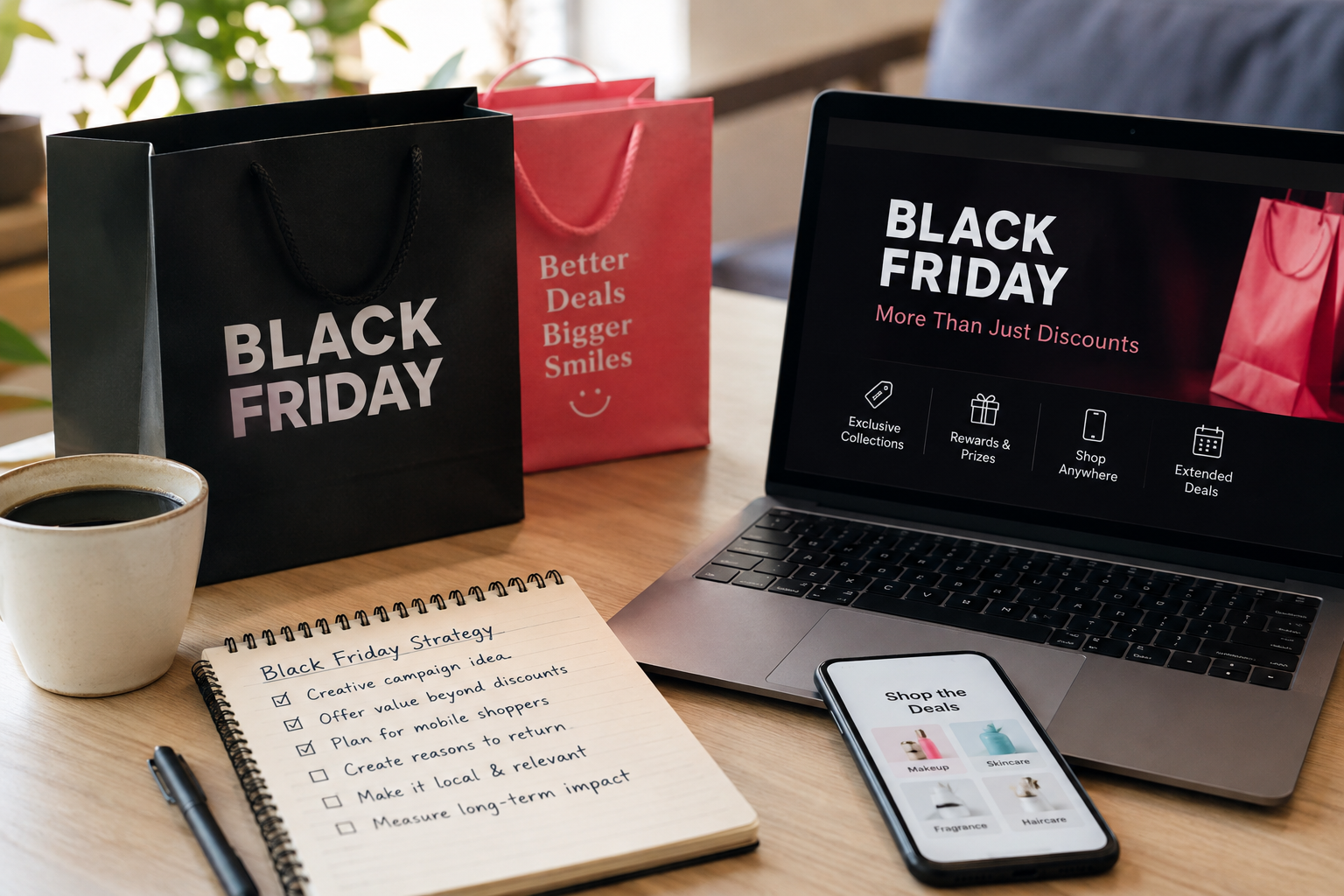
These campaigns highlight how brands are expanding the role of promotional marketing. A discount remains an important purchase incentive, but the campaign surrounding it can do much more. Humour can make an offer recognisable, rewards can encourage participation, limited collections can create product interest, and recurring experiences can extend customer engagement.
For marketers, this means planning a Black Friday campaign involves more than deciding when to announce an offer. It requires understanding what customers value, choosing an incentive that fits the brand, and creating reasons for audiences to engage at different stages of the shopping season. It also means looking beyond sales figures to understand whether the campaign supports profitability, customer relationships and long-term brand value.
The most useful question for brands may therefore be: what can we give people a reason to engage with before giving them a reason to buy? Because when the countdown itself becomes part of the campaign, Black Friday marketing has an opportunity to create value well before the sale begins.