

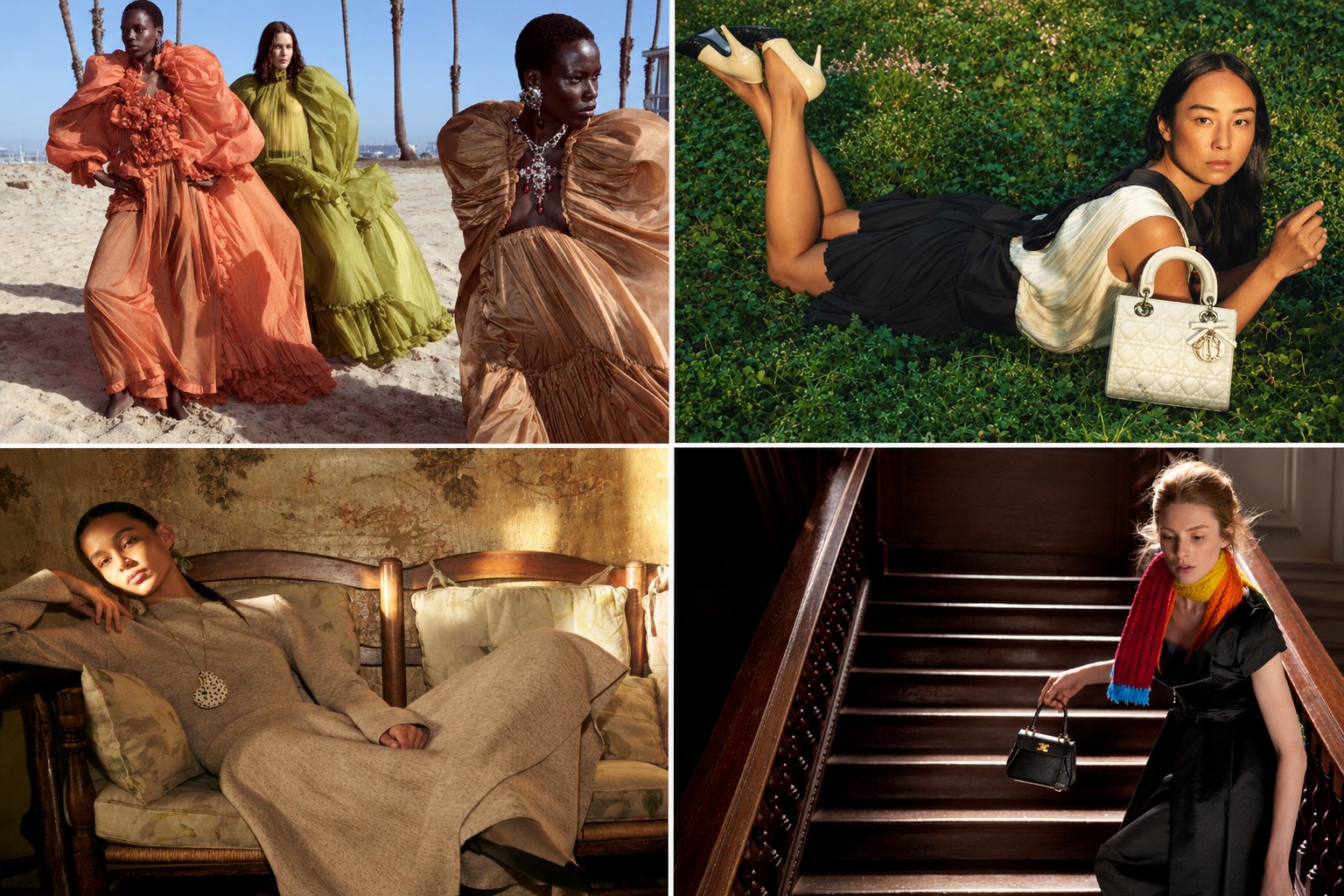
Luxury has always sold more than products – it sells identity, aspiration, and the feeling of owning something distinctive. But in 2026, as artificial intelligence makes it easier to generate polished advertising images, videos and digital experiences, luxury brands face a new challenge: how do they maintain that sense of distinction when visual perfection is becoming available to everyone?
The answer may lie in something technology cannot independently guarantee: genuine human creativity. From the photographer behind a campaign to the models who bring it to life and the creative teams shaping its story, human involvement gives advertising a sense of intention and individuality. As AI-generated content becomes more common, the question for brands is no longer simply how quickly they can produce content, but whether consumers believe in what they see.
The AI Content Boom Is Creating an Authenticity Problem
Generative AI has transformed marketing production. Brands can create elaborate settings, synthetic models, and cinematic videos without organising traditional shoots. Yet the convenience comes with a risk: when visuals begin to look artificial, repetitive or disconnected from real experiences, they can weaken consumer confidence.
This concern is particularly relevant to luxury, where exclusivity depends partly on the perception of creative effort and originality. A perfectly rendered image might attract attention, but it cannot automatically communicate the thought, cultural understanding, or emotional depth that makes a campaign memorable.
Research supports the need for caution. In January 2026, the Interactive Advertising Bureau released an AI transparency framework alongside research highlighting a gap between industry optimism and consumer attitudes. While 82% of surveyed advertising executives believed younger consumers felt positively about AI-generated advertisements, only 45% of these people actually feel that way. Marketers cannot assume audiences will welcome synthetic content simply because it is technologically advanced. (Source: The IAB findings)
For premium brands, this creates a strategic question: could the human effort behind a campaign become as important to its perceived value as the final image?
Why Real People Are Becoming a Creative Advantage
Human-led advertising offers something that synthetic perfection can struggle to convey: genuine presence. A model’s spontaneous expression, a filmmaker’s interpretation of a moment, or a photographer’s decision to preserve natural imperfections can introduce an emotional quality that feels intentional rather than manufactured.
This does not mean every AI-generated image looks fake or every traditional campaign feels authentic. Audiences respond to the overall execution, the story being told, and the credibility of the brand behind it. However, when a campaign promises realism, craftsmanship, or personal connection, replacing real experiences with fabricated ones can create a disconnect between the brand’s message and its execution.
Luxury brands have an additional reason to pay attention. Their reputations are built through recognisable creative identities developed over decades. If content production becomes a race to generate more assets, brands risk sacrificing the distinctive perspective that separates them from competitors.
When Luxury Becomes a Conversation About Creativity
The debate around AI and creativity is not limited to advertising studios; it is also shaping how creators discuss luxury and artistic expression on social media. In an Instagram Reel, influencer Lavanya Bhasin brings attention to the relationship between luxury, art and the experiences that give creative work its meaning. Her perspective adds a cultural dimension to the conversation, moving beyond the finished advertisement to consider what makes creative expression worth engaging with in the first place.