

95+ sponsors across six languages is not just an advertising milestone. It is a signal of how India is changing the way it consumes, celebrates, and responds to brands.
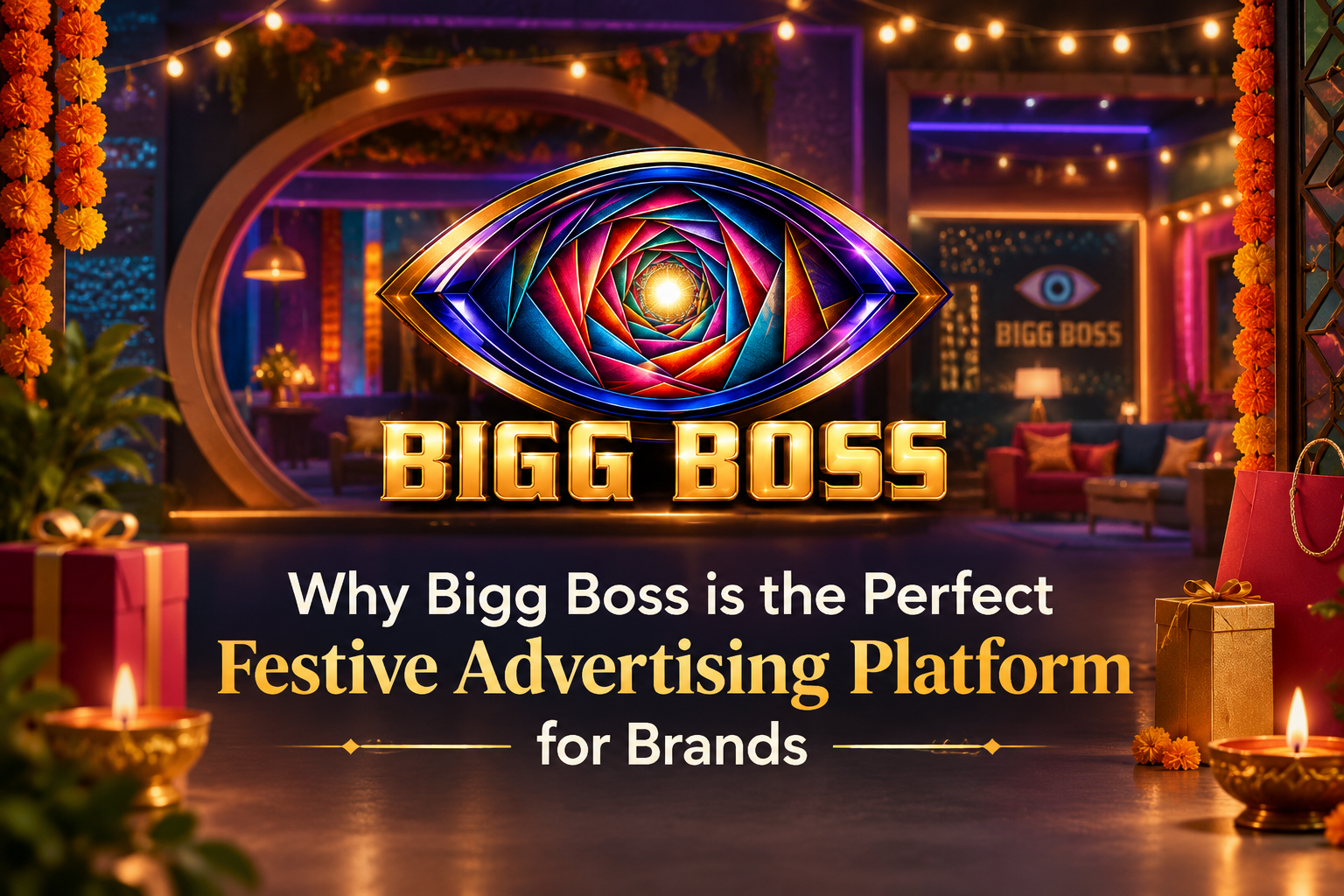
For years, Bigg Boss has been discussed primarily as a television phenomenon. Its contestants become household names, its controversies spill onto social media, and its catchphrases become part of everyday conversations. But this season, there is another story unfolding behind the cameras and conversations: Bigg Boss is increasingly becoming a powerful advertising ecosystem for brands trying to capture India’s attention during one of the most commercially important periods of the year.
With more than 95 sponsors across its Hindi, Bangla, Tamil, Telugu, Kannada and Malayalam editions, the franchise is bringing together an unusually diverse set of advertisers. Large national companies such as HUL, Britannia, Asian Paints, Maruti Suzuki India, Godrej Consumer Products, Hero MotoCorp and Mondelez are appearing alongside regional and local businesses including jewellery retailers, textile brands, sweet shops and other market-specific players. JioStar’s ability to accommodate both ends of this spectrum is what makes the current advertising story particularly interesting.
The question, therefore, is not simply why so many brands are advertising on Bigg Boss. The more important question is what they believe Bigg Boss can give them that conventional festive advertising may not. The answer begins with something every marketer is fighting for today: attention.
Bigg Boss Meets India at the Right Moment
Advertising is not only about reaching the right audience; it is also about reaching that audience at the right moment. A brand may have enormous reach throughout the year, but the value of that reach changes when consumers are actively thinking about spending.
This is what makes the Bigg Boss-festive season overlap particularly interesting.
By the time the new season begins, the Indian consumer is already moving into a different mindset. Festive shopping lists are being discussed, offers are appearing across categories, families are planning purchases, and brands are increasing their advertising presence. Consumers are not simply consuming entertainment during this period; they are also becoming increasingly receptive to messages around products, offers, gifting,g and new purchases.
Bigg Boss enters this environment with something advertisers spend enormous amounts of money trying to create: attention that consumers willingly give.
The show has an established audience, strong recall and, perhaps most importantly, the ability to generate conversations beyond the television screen. Every season creates contestants to follow, moments to debate,te and content to share. That means a brand associated with the property has the opportunity to become part of a cultural moment that consumers are already paying attention to. For festive advertising, that timing can be extremely valuable.
The Festive Season Is When Brand Recall Matters Most
Festive purchases are rarely driven by a single advertisement. Consumers are exposed to multiple brands before making a decision, particularly in categories such as automobiles, jewellery, fashion, electronics, and consumer durables. The brands that benefit are often those that have already established familiarity before the consumer reaches the point of purchase.
This is where Bigg Boss can play an important role in brand marketing. A sponsorship during the season allows a brand to repeatedly appear within an entertainment environment that consumers have already chosen to spend time with. The objective is not necessarily to make the viewer purchase immediately after seeing an advertisement. It is to build familiarity and association during a period when the consumer is increasingly moving towards purchase consideration.
A brand that is visible during Bigg Boss can therefore become part of the festive media environment itself. The association can help reinforce the idea that the brand is present during the season when consumers are celebrating, shopping, and making important purchase decisions. In other words, Bigg Boss gives brands the opportunity to build memory at the same time that consumers are building shopping intent.
Why Brands Across Categories Find Value in Bigg Boss
The strength of the property is also reflected in the variety of brands that choose to associate with it. The current season has attracted more than 95 sponsors across six language editions, bringing together national brands as well as regional businesses.
Large FMCG companies can use the platform to remain highly visible during a period when household consumption and gifting increase. Automobile brands can associate themselves with the aspiration of making a major purchase during an auspicious season. Paint and home-improvement brands can connect with the tradition of preparing homes for celebrations. Jewellery brands can build visibility around one of the most important gold-buying periods of the year. Apparel, food, personal care, and consumer brands can similarly connect their products with the broader festive mindset
The categories may be different, but the marketing requirement is similar: be visible when consumers are most emotionally and commercially engaged. That is where Bigg Boss becomes more than an entertainment sponsorship. It becomes a festive brand-building platform.
Six Languages Make the Opportunity Even Bigger
What makesWhat makes the current Bigg Boss ecosystem particularly relevant to India’s festive market is its presence across multiple language editions. India may celebrate the festive season together, but it does not celebrate it in exactly the same way. Consumer preferences, cultural references, languages, retail ecosystems, and even the importance of particular occasions vary significantly across regions. The six-language structure allows brands to participate in this national festive moment while remaining connected to specific audiences.
A jewellery brand targeting consumers in Kerala does not necessarily need the same communication as a brand targeting Maharashtra or Tamil Nadu. A textile business in Karnataka may want to build familiarity within its own market rather than spend heavily on consumers who cannot purchase from it. A regional food or sweets brand may be relevant primarily to a particular geography.
Bigg Boss provides these brands with something that is increasingly important in Indian advertising: scale without completely losing regional relevance. The national editions can create a broad cultural association, while regional editions allow brands to connect with audiences in the markets that matter most to their business.
The Timing Creates a Powerful Advertising Window
There is also a strategic reason brands benefit from being present throughout the Bigg Boss season rather than only appearing during individual festive days. Festive purchasing is a journey. Consumers begin thinking about purchases before the actual celebration arrives. They browse, compare, discuss, and gradually narrow down their choices. Bigg Boss can occupy this period of rising consideration.
As the show builds momentum, brands can remain visible alongside the growing excitement around the franchise. By the time major festive occasions arrive, the consumer may have encountered the brand multiple times. This creates an important advertising advantage: the brand is not entering the consumer’s mind at the exact moment they are ready to purchase; it is already there before the purchase decision happens.
That distinction is particularly important for high-value purchases. Someone buying gold, a car, a television, or a new appliance may not make the decision the moment they see an advertisement. But repeated exposure during a period of heightened consumption can contribute to familiarity and consideration when the actual decision is made.
Bigg Boss Gives Brands a Cultural Context
Festive advertising has traditionally relied heavily on the same themes: family, celebration, gifting, prosperity, and togetherness. These themes remain powerful, but consumers are exposed to so many festive campaigns that standing out becomes increasingly difficult. Bigg Boss offers brands an existing cultural context in which to be visible.
Instead of simply communicating, “Our brand has a festive offer,” the brand becomes associated with a programme that is already generating excitement, discussion and anticipation. This can make sponsorship particularly valuable for brands looking to build salience rather than simply communicate a discount.
The distinction is important because festive advertising should not always be reduced to promotional communication. The festive period is also an opportunity to shape how consumers remember a brand.
A jewellery brand can use the season to strengthen its association with celebration and family milestones. An automobile brand can build aspiration around new beginnings. A food brand can become associated with hosting and celebration. A fashion brand can become part of the festive shopping mindset. Bigg Boss provides a high-attention environment in which those associations can be built.
Why the Combination Works
The real strength of Bigg Boss sponsorship during the festive season comes from the combination of three things happening simultaneously. The show brings mass attention. The festive season brings high consumer intent. And sponsorship allows brands to connect with that attention at the moment when spending is accelerating.
Individually, each of these factors is valuable. Together, they create a particularly attractive environment for brand marketing. This is why the growing number of brands associating themselves with Bigg Boss should not simply be viewed as a reflection of the show’s popularity. It reflects the commercial value of the calendar itself.
Brands are not only buying visibility on a popular programme. They are buying visibility during a period when consumers are already becoming more receptive to brands, products, and purchase ideas.
The Bigger Brand Marketing Opportunity
The most interesting thing about Bigg Boss is therefore not just how many people watch it. It is the timing of the attention it commands. The show begins building momentum just as India’s festive economy begins accelerating. As the season progresses, the cultural conversation around Bigg Boss grows while consumers simultaneously move closer to their festive purchase decisions.
For brands, this creates a rare overlap between entertainment and consumption. The show captures attention when people are watching. The festive season creates intent when people are shopping. Sponsorship puts the brand in the middle of both. And that is ultimately why Bigg Boss has become such a compelling advertising property.
For Indian brands, the opportunity is not simply to advertise during Bigg Boss. It is to be present when Bigg Boss is at its peak, and India is at its most ready to celebrate, shop, and spend.
In a market where timing can be as important as targeting, Bigg Boss and the festive season may simply be one of the most naturally aligned advertising windows on the Indian media calendar.