


Messaging apps are no longer just communication tools. They are steadily evolving into digital ecosystems where users can chat, shop, make payments, interact with businesses, and increasingly manage large parts of their online lives. As these platforms expand their role, user expectations around privacy, identity, and convenience are changing just as quickly.
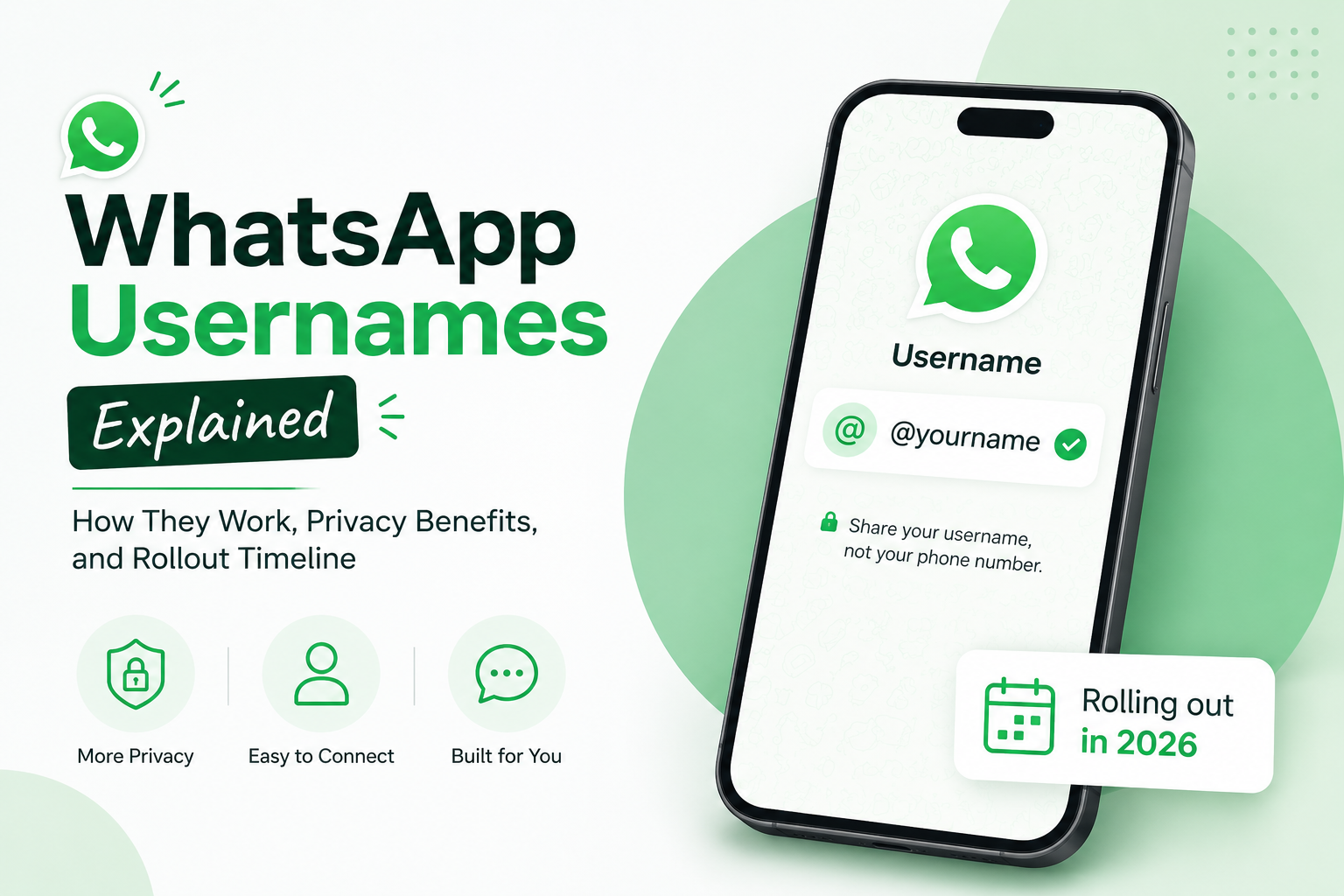
Against this backdrop, WhatsApp is preparing one of its most significant identity updates in years. The Meta-owned platform is introducing usernames, allowing users to start conversations without sharing their phone numbers. Similar to social media platforms where usernames act as digital identities, the feature is expected to make interactions more private while giving users greater control over who can access their personal information.
The change marks a notable departure from WhatsApp’s long-standing phone number-based system, where anyone with your number can initiate a conversation. With more than 3 billion users worldwide, the platform has relied on mobile numbers as the foundation of its identity model since its inception. According to the company, the upcoming username feature is designed to “protect the privacy of your phone number” while making it easier for users to connect securely.
The update also arrives as Meta continues to expand WhatsApp beyond messaging. Following the appointment of Indian fintech entrepreneur Kunal Shah to lead WhatsApp’s business strategy, the company is accelerating its ambitions in payments, commerce, and digital services. In that broader transformation, usernames represent another step towards making WhatsApp a more complete digital platform. (Source: NDTV)
A Fundamental Shift in How People Connect
At its core, the introduction of usernames represents a fundamental shift in how people connect on WhatsApp. Instead of relying solely on mobile numbers as digital identities, users will be able to interact using unique usernames, giving them greater control over who can access their contact information.
This added layer of privacy will be particularly useful in situations where users are interacting with people they don’t know personally. For example, your phone number will no longer be automatically visible when you are added to large group chats or when you message someone for the first time. Unless you choose to share it, your number will remain private, helping reduce unwanted contact while making conversations more secure.
How the Username System Will Work
Behind this privacy-first approach is a username system designed to be simple while maintaining WhatsApp’s focus on security. Users will be able to create a unique username that others can use to start a conversation without relying on phone numbers.
To maintain consistency and security, usernames must be between three and 35 characters long and follow specific formatting rules. Unlike social media platforms, however, WhatsApp is not turning usernames into public profiles. The company has confirmed that there will be no searchable directory or username discovery feature, meaning people will need to know your exact username before they can contact you for the first time. (Source: NDTV)
To strengthen privacy further, WhatsApp is also introducing a “username key.” This acts as an additional verification layer, allowing users to control who can initiate conversations using their username. First-time messages sent through a username will require this key, which users can update whenever they choose.
Once the feature becomes available, anyone who initiates a conversation with you through your username will not be able to see your phone number. The same protection will apply when users message businesses for the first time, reducing the need to share personal contact details during initial interactions.
WhatsApp is also encouraging users to treat usernames as private identifiers rather than public handles. The company recommends choosing a unique username that is shared only with trusted contacts, and for those struggling to find an available option, it plans to offer a built-in username generator. (Source: 9to5 Mac)
A Unified Identity Across Meta’s Ecosystem
While usernames are primarily designed to strengthen privacy for individual users, they also support Meta’s broader vision of creating a more connected digital ecosystem. Businesses, creators, and organisations with an established presence across Meta’s platforms will be able to maintain a consistent identity on WhatsApp as well.
Explaining the move, the company said, “We also know that some people like creators, small businesses, and organizations may want to maintain a consistent presence online. For them, we reserved an option to claim their existing Instagram or Facebook username on WhatsApp.” (Source: Meta)
When Will the Feature Be Available?
The rollout will happen in phases rather than becoming available to everyone at once. To ensure users have a fair chance of securing their preferred identity, WhatsApp is opening username reservations ahead of the wider launch. Users can reserve their preferred username through Settings > Account > Username, with the company saying the process takes only a few seconds. (Source: Meta)
Because many users are expected to compete for similar usernames, the early reservation process is intended to give everyone a fair opportunity to secure their preferred identifier before the feature becomes available globally. WhatsApp says users will receive an in-app notification once usernames are rolled out in their respective countries.
The rollout reflects the growing importance of digital identity on messaging platforms, where a unique username could soon become as central to connecting as a phone number once was.