


Author: TrustCircle Club
-

OYO’s Long Road to the Markets: What Prism’s ₹6,650 Cr IPO Really Signals
After years of stop-start attempts, restructurings and debt clean-up, OYO’s parent Prism is finally on course for a 2026 listing, targeting a USD 7–8 billion valuation and a balance-sheet reset rather than a growth-at-all-costs splash. When OYO first announced its public market ambitions, it marked the next generation of Indian technology startups preparing to list.…
-

What This Week’s Funding Flurry Tells Us About the Future of Experience-Led Brands
In isolation, this week’s funding announcements read like a familiar stream of startup news. AI-powered security platform Hakimo raised fresh capital. Customer experience platform Kapture CX secured funding to expand its AI ambitions. Robotics startup Mowito attracted investor confidence. Limelight Diamonds announced a major strategic investment, while Kareena Kapoor Khan deepened her association with footwear…
-
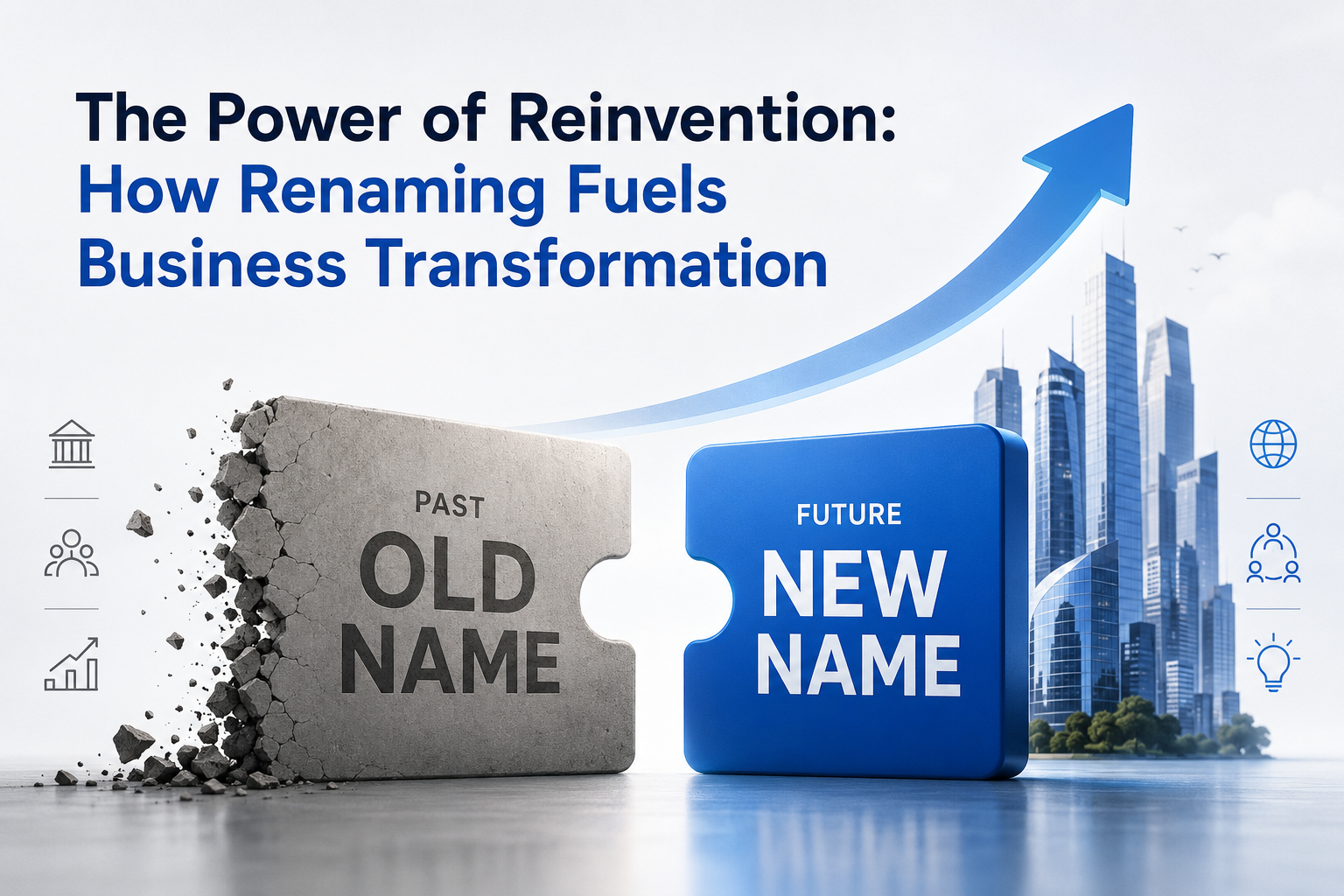
What India’s Corporate Renames Teach Us About Strategic Brand Evolution
Corporate names are often treated as permanent assets. Once established, they become synonymous with history, trust, and recognition, making the idea of changing them feel inherently risky. Yet some of India’s most successful companies have demonstrated the opposite: their most significant transformations were often accompanied by a willingness to rethink something many organisations consider untouchable,…
-

From Bollywood Soundtracks to Kulfi Collaborations: Why Wimbledon Is Embracing Indian Culture
When Wimbledon posted a Roger Federer highlight reel on Instagram set to the Bollywood classic Pehla Nasha, many viewers assumed it was a fan-made edit. It wasn’t. The video came from Wimbledon’s official account, and it signalled a broader shift in how the tournament is engaging with Indian audiences. Throughout this year’s Championships, Wimbledon paired…
-

Beyond Campaigns: The Ground Reality of WhatsApp Business Inside Enterprises
While the conversation around WhatsApp Business continues to revolve around marketing, enterprises are increasingly relying on the platform for something far more fundamental: running business-critical communication. With over 100 billion messages exchanged on WhatsApp every day and more than 200 million businesses using WhatsApp Business worldwide, the platform has become one of the primary ways…
-
The New Leadership Playbook: What Recent Executive Appointments Reveal About Business Priorities
The biggest business stories are not always announced through billion-dollar acquisitions, quarterly earnings, or product launches. Sometimes, they arrive quietly—in the form of a leadership appointment. Every CEO hired, every executive promoted, and every new leadership role created is a strategic statement. It tells investors where capital will flow, signals to employees what capabilities the…
-
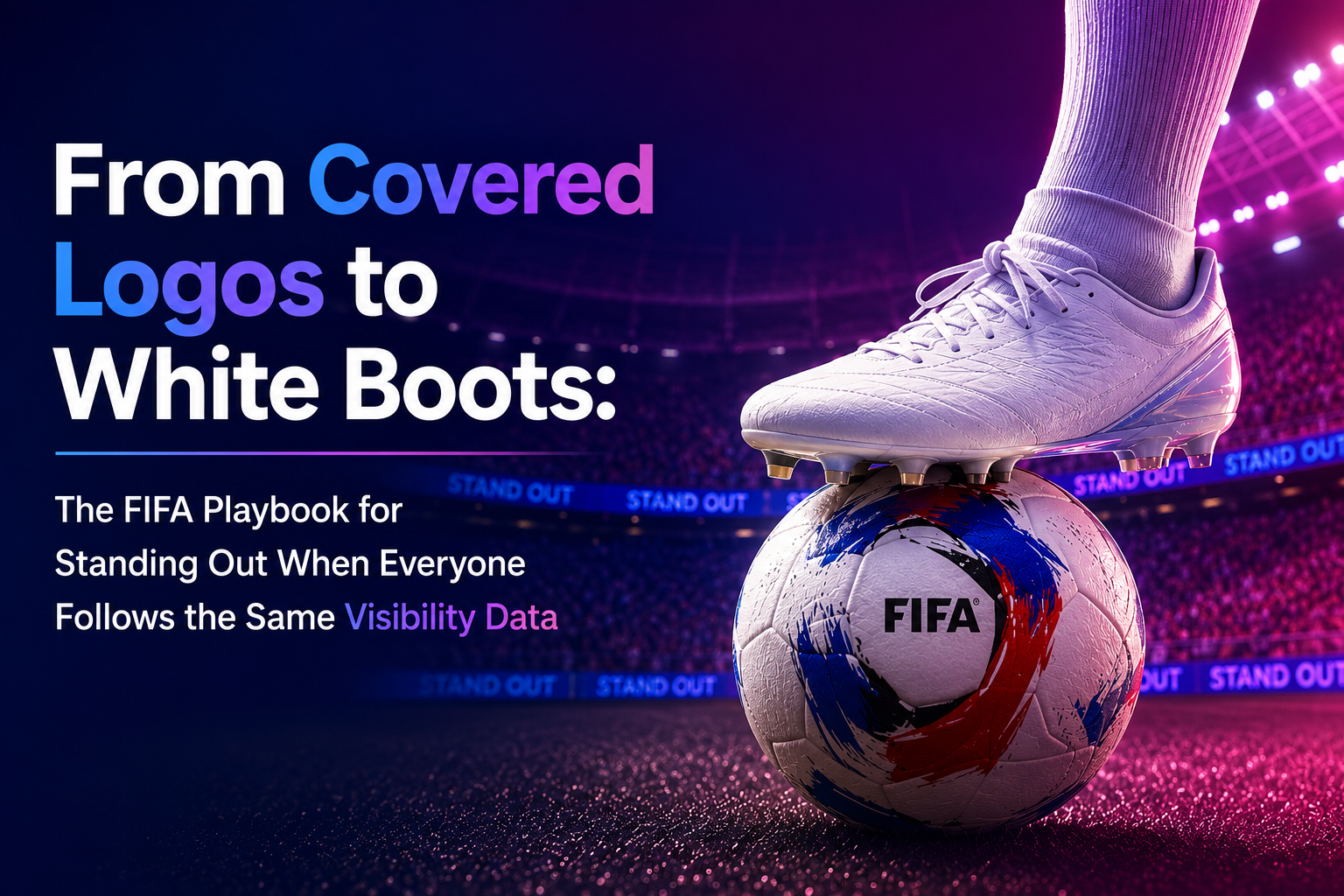
From Covered Logos to White Boots: The FIFA Playbook for Standing Out When Everyone Follows the Same Visibility Data
The FIFA World Cup has long been one of marketing’s biggest stages. Every tournament brings together billions of viewers—and with them, brands competing for the same prize: attention. For years, the playbook has been straightforward. Increase visibility through sponsorships, bold campaigns, celebrity partnerships, and real-time marketing to maximise share of voice. But what happens when…
-

Regulated Influence: What the New 2026 Rulebook Means for Creator and Brand Partnerships
Influencer marketing was built on trust long before it was built on regulation. For years, the industry operated on a simple equation: the larger the audience, the greater the opportunity. Brands prioritised reach, engagement, and virality, while creators built communities that often rivalled traditional media in both influence and cultural relevance. As investment in the…
-
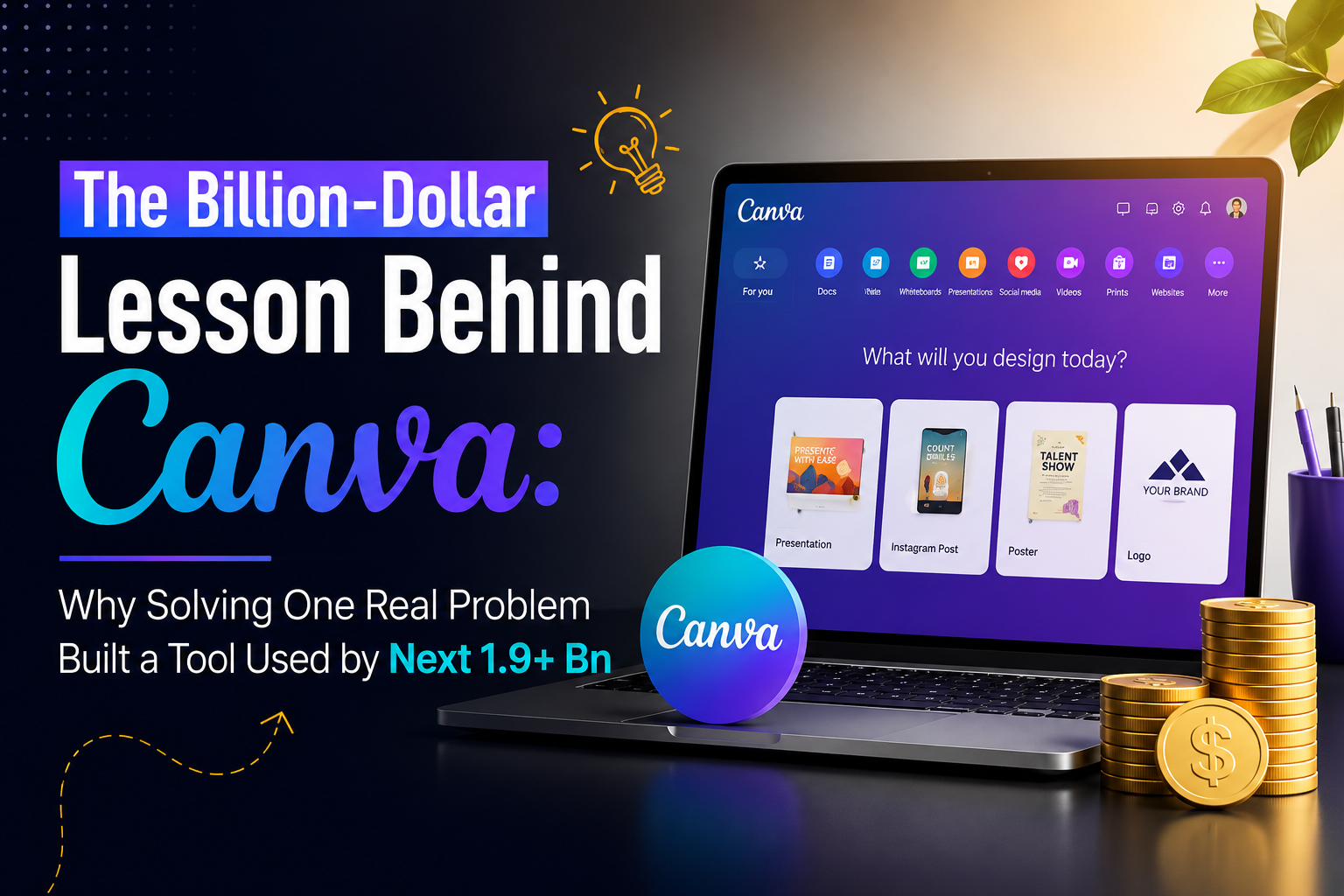
The Billion-Dollar Lesson Behind Canva: Why Solving One Real Problem Beats Chasing the Next Big Idea
Every year, thousands of entrepreneurs begin their journey convinced that success requires a revolutionary invention, an extraordinary background, or unlimited funding. The startup ecosystem often reinforces this belief, celebrating billion-dollar valuations, funding announcements, and disruptive technologies as the ultimate measures of entrepreneurial success. Startup success has never been about having the loudest idea. Recent data…
-
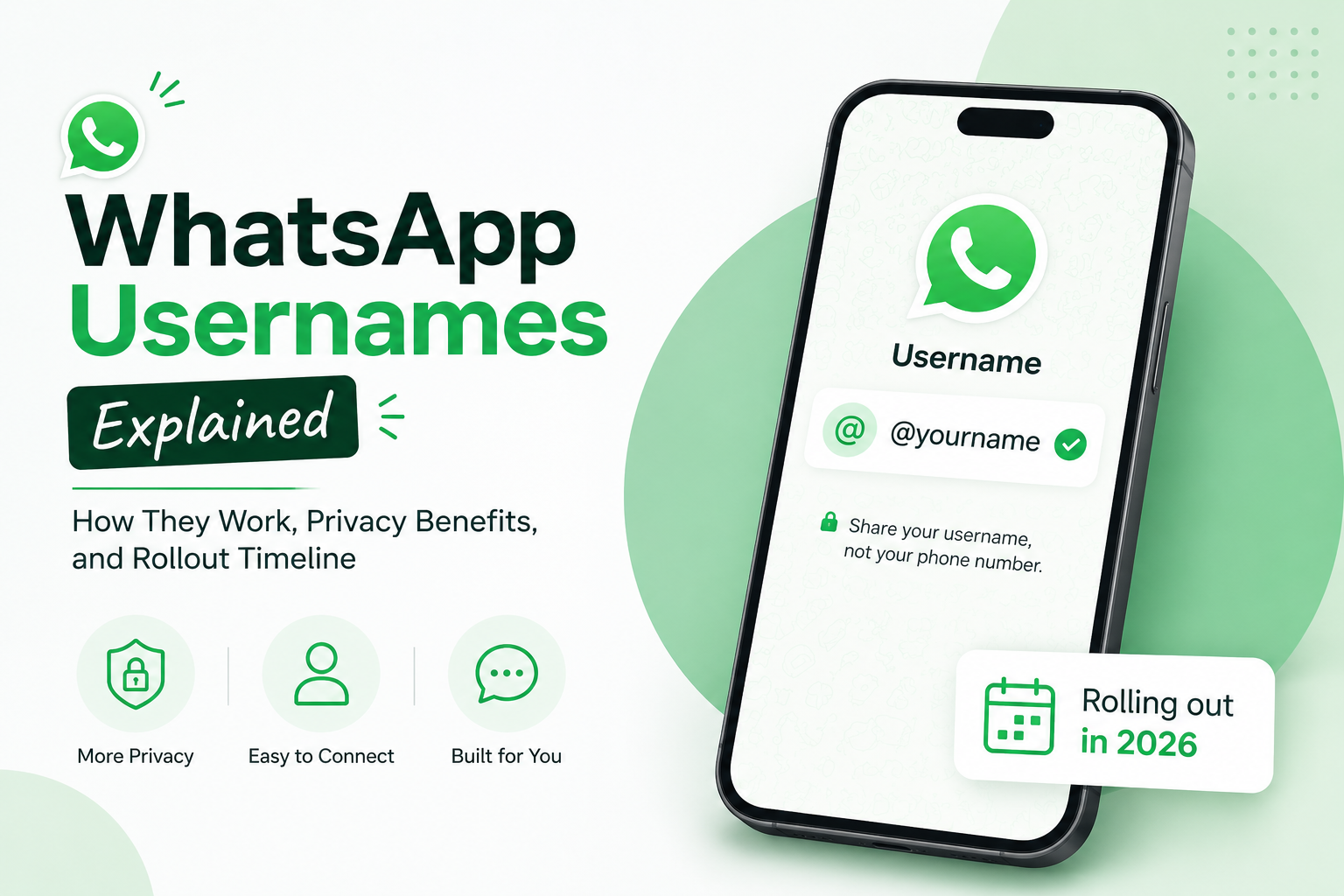
WhatsApp Usernames Explained: How They Work, Privacy Benefits, and Rollout Timeline
Messaging apps are no longer just communication tools. They are steadily evolving into digital ecosystems where users can chat, shop, make payments, interact with businesses, and increasingly manage large parts of their online lives. As these platforms expand their role, user expectations around privacy, identity, and convenience are changing just as quickly. Against this backdrop,…