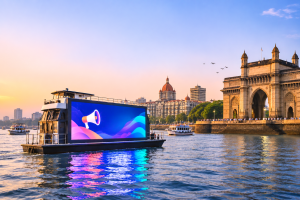


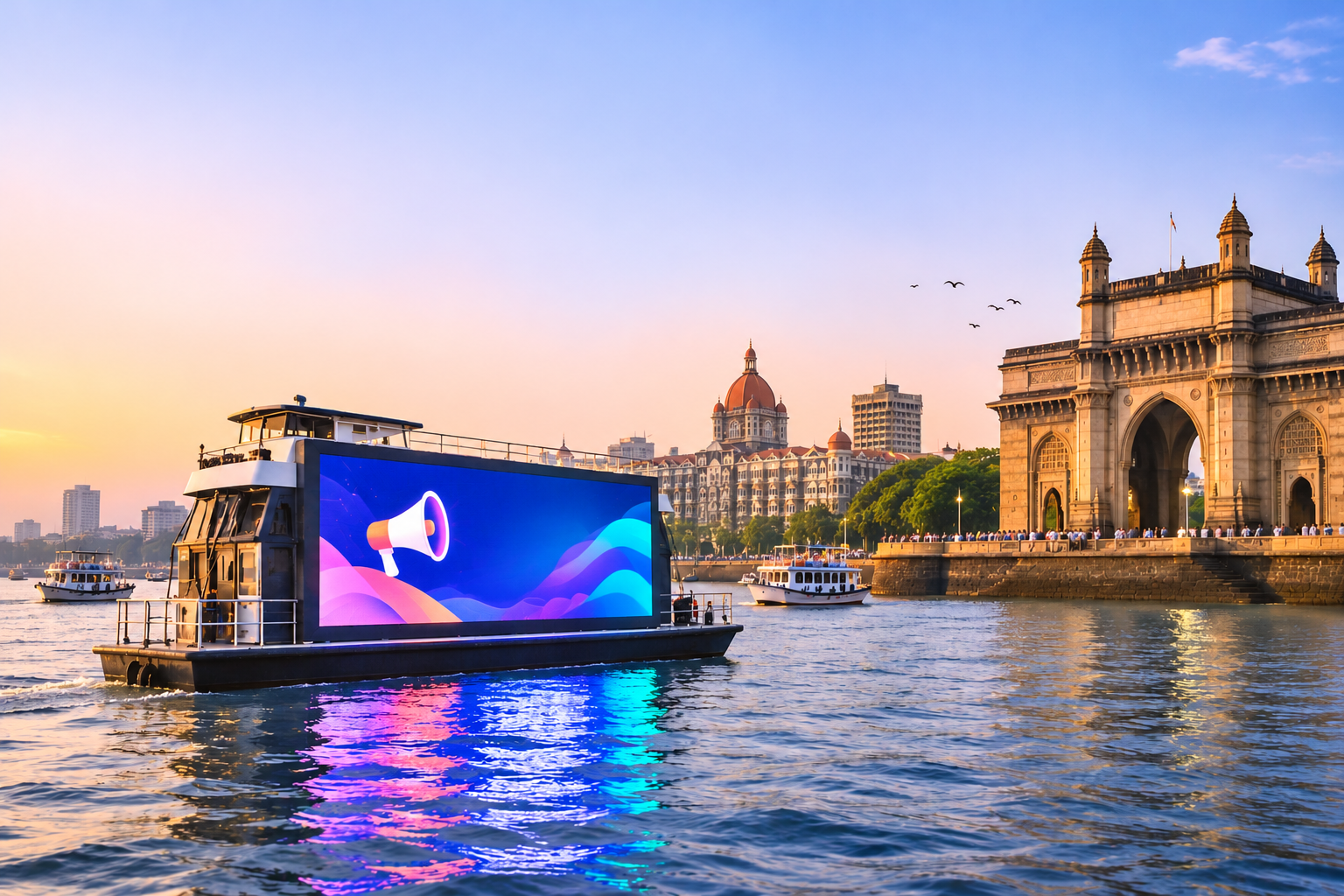
Mumbai’s coastline has always been part of its identity. From the views along Marine Drive to the Bandra-Worli Sea Link, the city’s relationship with the sea is as much about its landscape as it is about everyday life. But if a new proposal by the Maharashtra Maritime Board (MMB) moves forward, these familiar waterfront views could soon have another element: advertising billboards floating on the water.
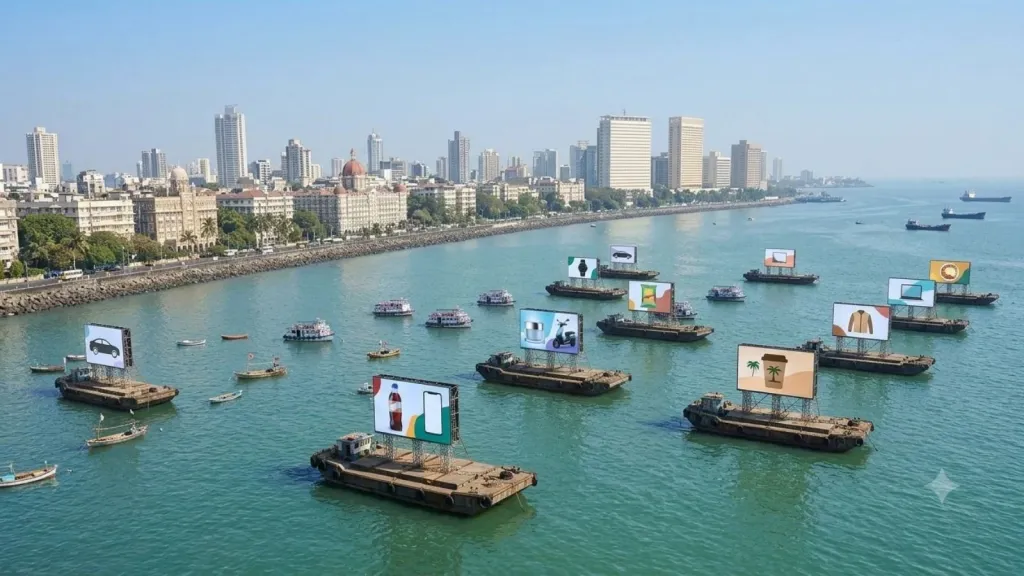
The MMB has invited bids for 15 floating hoardings across 10 coastal locations in the Mumbai Metropolitan Region (MMR). The project is expected to generate a minimum annual licence fee of Rs 4.79 crore for the board. Four hoardings are proposed along Mumbai’s coastline, while the remaining 11 will be placed around Navi Mumbai, Thane, Vasai and Alibag.
The proposed Mumbai locations include Juhu Beach, Worli Jetty, Lotus Jetty, and the Bandra-Worli Sea Link. Other sites include the Vashi and Airoli road bridges, the Mumbra Creek bridge, two stretches of Vasai Creek, and the Mandwa terminal in Alibag. The tenders were issued on November 13 and 14, with November 27 set as the deadline for submitting bids.
Mounted on floating barges, each structure could measure up to 40 ft by 40 ft, offering approximately 1,600 sq ft of advertising space. The minimum annual licence fee for the two hoardings near both Vashi and Airoli bridges has been set at Rs 1.02 crore per location. Together, these four structures account for Rs 2.04 crore of the estimated annual revenue. (Source: The Indian Express)
Why Are Advertisers Looking Beyond Conventional Hoardings?
For brands, advertising has always involved finding spaces where people are most likely to notice their messages. Traditionally, this has meant roadside billboards, bus shelters, railway stations, airports, and other high-traffic public spaces. However, changing consumer habits and advances in technology have encouraged advertisers to explore more creative ways of reaching audiences.
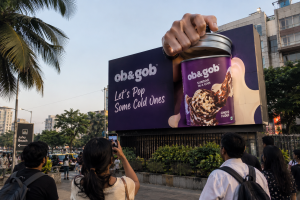
This is where Out-of-Home (OOH) advertising comes into the picture. From large digital screens to interactive installations and location-based campaigns, outdoor advertising is no longer limited to printed advertisements on fixed structures. Brands are increasingly experimenting with design, technology, and unconventional placements to make their campaigns more noticeable.
Mumbai’s floating hoarding proposal introduces another possibility into this evolving landscape. Locations near bridges, beaches, and busy waterfront routes could give advertisers access to audiences during their daily commutes and leisure activities. The size of the proposed structures also offers considerable visibility.
However, the success of such advertising depends on more than just the space available. The creative idea, placement, and relevance of the message all influence whether an advertisement becomes memorable or simply adds to the visual clutter.
Also Read: OOH Is Back in the Game: How Outdoor Advertising Is Reclaiming Consumer Attention – TrustCircle
When Advertising Meets the City’s Natural Landscape
One of the interesting aspects of outdoor advertising is how it can use its surroundings to create a stronger connection with people. A well-planned campaign can turn an ordinary public space into an engaging brand experience through creative installations, digital displays, or interactive formats.
But placing advertising structures in natural landscapes brings a different set of considerations. Unlike a roadside billboard or a digital screen outside a commercial building, a floating hoarding would become part of a waterfront view shared by residents, commuters, tourists and visitors.
The question, therefore, is not just whether these structures can attract attention, but whether their placement will complement the surroundings. Advertising that makes use of an unconventional location needs to consider the character of that space and the experience of the people who use it.
Revenue Opportunities Must Be Balanced With Environmental Concerns
The proposal has already drawn objections over its potential impact on Mumbai’s waterfront aesthetics and marine environment.
Shiv Sena (UBT) MLA Aaditya Thackeray has objected to the decision, arguing that floating hoardings could further affect the city’s already diminishing sea views. In an October letter to Chief Minister Devendra Fadnavis, he criticised the proposal, saying, “Aesthetics over cartels must be the norm, but sadly this decision chooses contractors over aesthetics.”
Environmental activist Sumaira Abdulali of the Awaaz Foundation has also raised concerns about illuminated advertising structures. She has warned that artificial lighting could affect marine organisms, including plankton, which form an important part of the marine food chain.
These concerns also bring attention to the regulations governing advertising structures near the waterfront. The MMB’s Advertisement Guidelines, 2018, revised in February 2019, prohibit hoardings that obstruct views of the sea, sunrise, or sunset from designated viewing locations. They also require prior written permission and restrict structures that interfere with traffic visibility.
While these provisions do not automatically establish that the proposed sites violate the guidelines, they make the selection and approval of locations an important part of the discussion. (Source: Financial Express)
Fisheries and Ports Development Minister Nitesh Rane had earlier said that only four floating hoardings were envisaged in Mumbai’s waters and that he would not support initiatives that harmed marine life or waterfront views. The current tender, however, covers 15 structures across the wider MMR.
The Bigger Question: How Should Cities Use Public Spaces?
As cities grow and advertising opportunities expand, public spaces are increasingly becoming part of commercial conversations. For advertising agencies and brands, unconventional locations can offer new ways to present creative ideas. Civic and maritime authorities can also generate additional revenue.
However, public spaces serve purposes beyond commercial activity. Mumbai’s coastline, for instance, is a part of the city’s identity, a place for recreation and a natural environment that supports marine life.
The floating hoarding proposal brings all these interests into one discussion. It presents an opportunity to explore new advertising formats, but also raises questions about how such developments can be planned without affecting the surroundings.
Ultimately, the value of an advertising space should not be measured by its visibility or revenue potential alone. How responsibly it is used, and what it means for the city and its people, deserves equal consideration.