


A unique product does not automatically translate into a viable business. When consumers are unfamiliar with a concept, they may struggle to understand its value, find a reason to buy it, or even recognise the need it addresses. For businesses entering an unexplored category, the challenge is not just to attract attention but to build understanding.
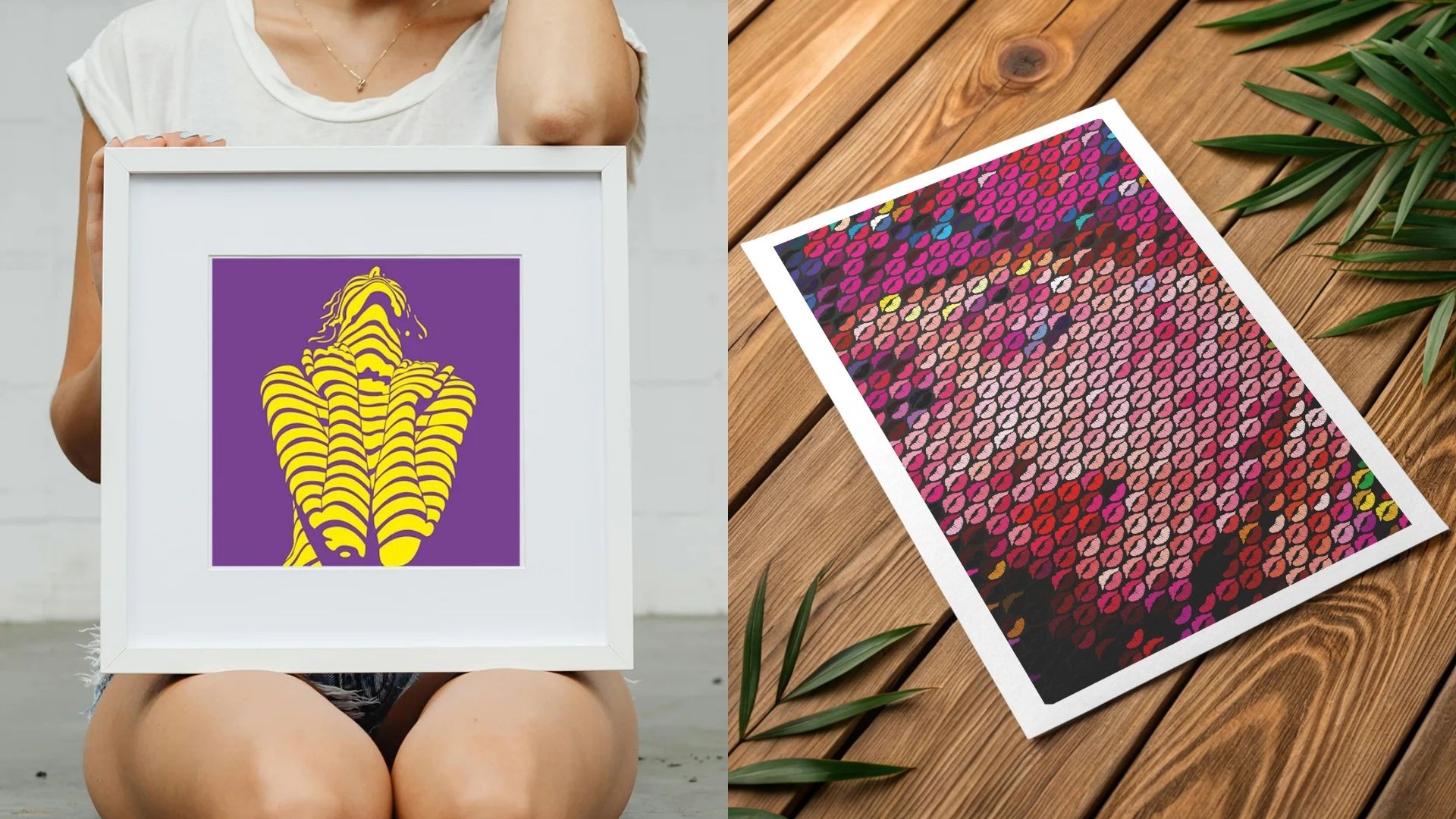
The journey of ILU Art Therapy, founded by artist and designer Swapnil Jain, offers a perspective on this challenge. Built around digital vector art and optical illusions, the venture operates in a space where the product itself requires explanation.
Its experience highlights a broader lesson for brands: creating demand for an unfamiliar idea requires more than visibility. It calls for a clear value proposition, an accessible buying experience, and a well-defined audience.
When a New Idea Needs an Explanation

Jain’s journey began with a background in traditional drawing and painting in Jabalpur, followed by decades of experience in graphic design. As he moved into vector art, he encountered a perception problem. Digital artwork was often associated with automated graphics rather than the skill and intent involved in creating a piece by hand.
His response was to develop ILU Art Therapy around the intersection of fine art, geometric patterns, colour theory, and optical illusions. The work invited viewers to pause, examine the compositions, and question what they were seeing. Observing this response helped shape his belief that digital art could offer an experience beyond conventional wall decor.
For brands introducing an unfamiliar product, this distinction matters. Consumers do not always have an established framework for evaluating something new. They may judge it through the closest category they already understand, even when that comparison fails to capture its value.
The task, therefore, is to give people a reason to see the product differently. This means explaining not just what it is, but what makes it useful, meaningful, or worth considering. Without that context, even a distinctive offering can be overlooked or misunderstood.
Building Demand Requires More Than Reaching More People
ILU Art Therapy initially found an audience among art enthusiasts, design professionals, and visitors to regional exhibitions in cities such as Indore and Jabalpur. Reaching customers beyond these networks, however, required a different approach.
Moving towards direct-to-consumer sales introduced practical challenges, including digital cataloguing, print quality, and packaging. More importantly, the business had to establish whether people outside traditional art circles would value digital fine art as a permanent part of their living or working spaces.
This is a common challenge for businesses creating a new category. Access to a larger audience does not necessarily translate into greater demand. Before investing heavily in distribution or promotion, brands need to understand whether prospective customers recognise the problem, experience, or aspiration their product addresses.
That understanding can come from observing customer reactions, listening to questions, and identifying what prevents people from making a purchase. For an unfamiliar product, these responses can be as important as early sales figures because they reveal what the market still needs to understand.
Why Visibility Cannot Replace Context
An early assumption at ILU Art Therapy was that distinctive optical illusion artwork would attract buyers on large e-commerce platforms. However, the format worked against the product. Reduced to small thumbnails among thousands of listings, the intricate designs lost the depth and detail that made them compelling.
The experience illustrates a limitation of reach-driven marketing. A platform can place a product in front of more people, but it cannot guarantee that they will understand its appeal. When a product depends on visual detail, demonstration, or explanation, the context in which it is presented becomes part of the buying decision.
Brands entering unfamiliar categories need to consider whether their marketing environments communicate the product’s value effectively. A complex product may require a demonstration, a clear explanation, customer examples, or a more focused presentation rather than another listing or advertisement.
The lesson is not that mass-market platforms cannot work for niche products. It is that the distribution should support the way customers discover and evaluate the offering. Visibility creates an opportunity; meaningful presentation helps convert that opportunity into interest.
Simplifying the Buying Decision

The business also found that offering multiple unframed print options created unnecessary complexity. Customers unfamiliar with archival framing or museum-grade mounting were expected to make decisions they might not have felt equipped to make.
In response, the need for more curated collections and clearer guidance became apparent. Rather than overwhelming buyers with options, the business had to make the artwork easier to understand and the final product easier to choose.
This has implications beyond art and home decor. When customers encounter a new category, every additional decision can become another barrier to purchase. Too many variations, unfamiliar terminology, or unclear product differences can make an otherwise appealing offering feel difficult to navigate.
Simplification does not mean reducing the product’s distinctiveness. It means removing decisions that do not add meaningful value for the customer. Clear product descriptions, carefully organised collections, and guidance on choosing the right option can help brands make unfamiliar offerings more approachable.
Finding the Audience That Understands the Value
Over time, ILU Art Therapy moved towards theme-driven collections and direct-to-consumer channels while continuing to focus on the quality of its work. Its approach also became more targeted, prioritising people interested in geometric art, intentional design, and distinctive interiors rather than trying to appeal to every decor buyer.
For niche businesses, this shift reflects an important strategic choice. Attempting to educate an entire market can consume resources without producing proportionate results. A more focused approach allows brands to identify the audiences most likely to appreciate the product and build stronger communication around their interests.
This does not remove the need to educate customers. Instead, it makes that effort more relevant. Brands can concentrate on the questions, motivations, and expectations of people who are already receptive to the idea, using their responses to refine both the offering and its positioning.
The Business of Making an Unfamiliar Idea Familiar
Building a market around a new concept takes more than persistence. It requires businesses to understand how customers perceive the offering, recognise where confusion arises, and make deliberate choices about how the product is presented and sold.
ILU Art Therapy’s experience points to three connected priorities: explain the value before expecting demand, choose channels that preserve the product’s appeal, and make the buying process accessible without diluting the original idea.
For brands developing unfamiliar products or entering emerging categories, the objective is not to persuade everyone. It is to help the right audience understand what makes the offering relevant to them. Once that connection becomes clear, a niche idea has a stronger foundation on which to build a market.