

The global Media & Entertainment industry is entering a new phase of growth. By 2029, the market will be nearly $3.5 trillion, driven not just by rising consumption but by a deeper shift in how value is created and captured. (Source: PWC)
What stands out is not just the market’s size, but the way revenue is changing. Digital formats continue to dominate, with advertising emerging as a key driver, while traditional models evolve as audiences move seamlessly across streaming, social, gaming, and mobile-first environments.
Media is no longer only about reach. It is increasingly about context, personalisation, and attention. As AI-led discovery and platform-driven engagement evolve, the industry is moving toward a model where attention is shaped, tracked, and converted more efficiently.
From Broadcast to On-Demand
The media and entertainment industry has shifted from fixed schedules to a behaviour-driven, on-demand ecosystem. Streaming, social video, and short-form platforms now give audiences control over how and when they engage. Globally, digital video and advertising account for over half of media ad spend, with digital platforms capturing more than 30% of viewing time. (Source: Senal News)
In India, the shift is even sharper, with mobile data consumption expected to grow at 22% annually between 2025 and 2030, driven by 5G, affordable data, and rising demand for digital content. (Source: Research and Markets)
Household OTT video penetration is expected to rise from roughly 47 million in 2024 to over 65 million by 2027, reflecting a clear shift away from purely linear TV toward anytime-anywhere viewing. (Source: MediaNews4U) Nearly three-quarters of subscription video-on-demand users in India watch primarily on smartphones, and one in four Indians now relies on mobile phones alone for all media and entertainment, making mobile-first behaviour the norm rather than the exception.
Platforms are no longer just channels; they are behaviour-driven ecosystems that learn from who engages, who stays, and who returns. Media today operates as a more dynamic and interactive environment rather than a fixed schedule, creating room for formats where audience participation becomes central to the experience.
From Views to Value
As audiences move from schedule-driven to signal-driven consumption, the real metric of success is no longer just reach, but relevance. In India, over 70% of internet users now prefer online platforms for news, with nearly half relying on social media as their primary source, reflecting how digital feeds have become the default context for attention. (Source:
This shift is backed by broader digital adoption: 806 million Indians were online in early 2025, with social media user identities touching 491 million, making every scroll, like, and watch-time a potential signal of intent. (Source: Data Reportal)
Globally, personalisation driven by behavioural data is now table stakes, with nearly 80% of consumers aged 18 – 64 more likely to purchase from brands that tailor experiences to their preferences. (Source: Instapage) Marketers are increasingly moving beyond vanity metrics like views and followers, focusing instead on deeper engagement signals such as watch-time, replay patterns, clicks, and cross-device journeys. The result is a more meaningful currency of engagement built on context, continuity, and trust rather than surface-level visibility.
When Audiences Become Participants
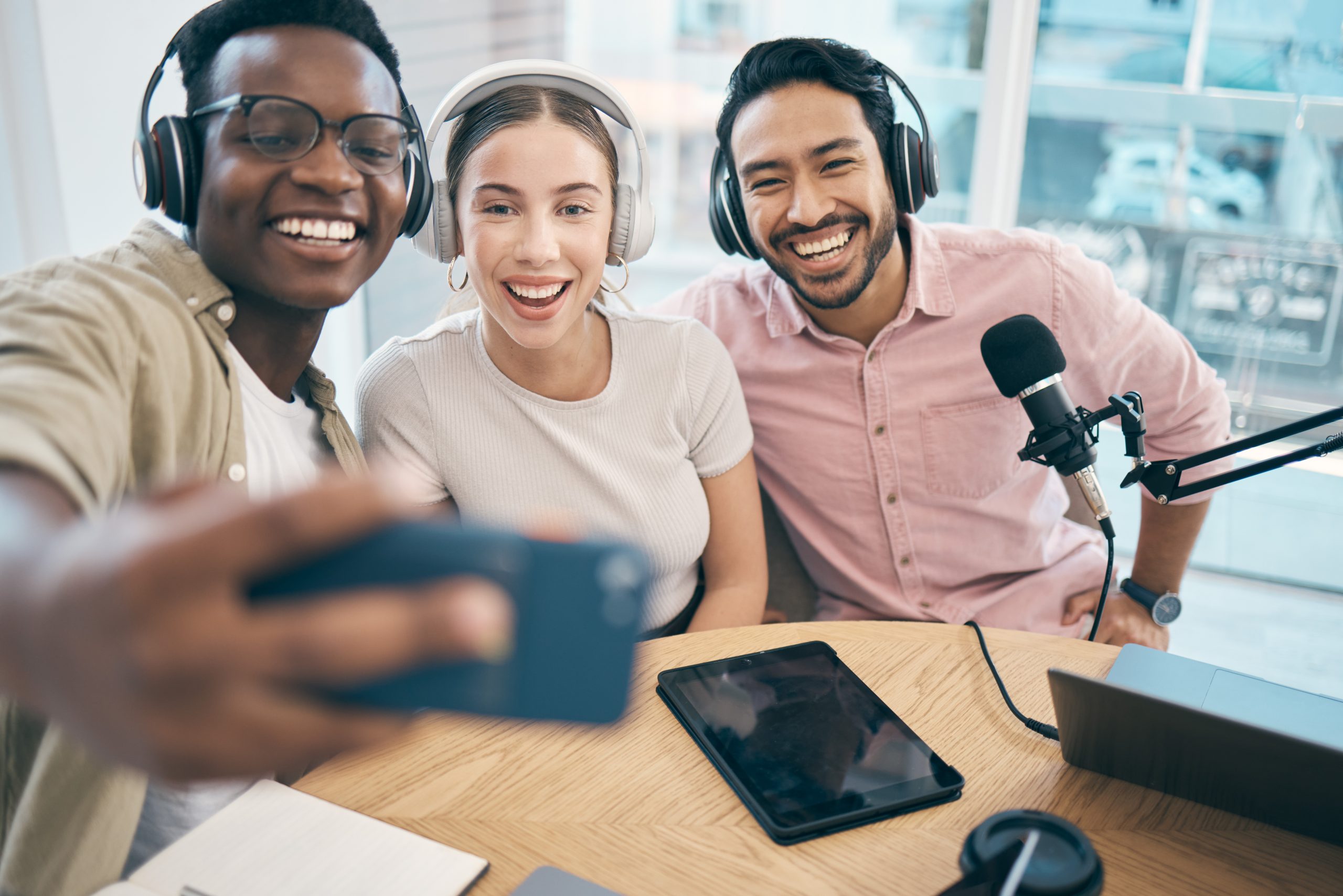
As media consumption becomes increasingly on-demand and mobile-first, the nature of engagement is evolving too. Audiences are moving beyond simply scrolling through feeds or watching videos in isolation, toward formats where they can respond and interact while the content is happening. This is giving rise to real-time, participative spaces where users are not just watching, but engaging alongside others.
As the CEO and founder of Eloelo, Mr. Saurabh Pandey puts it,
“The future of social entertainment is not asynchronous content alone, but experiences where creators and audiences interact together in the moment, in synchronisation.” (Source: The BarberShop Interview with Saurabh Pandey, CEO, Eloelo)
Instead of consuming content individually, they are joining live sessions, reacting in the moment, and seeing others respond at the same time, making the experience more immediate and collective. That shift is visible in live social entertainment and social gaming platforms like Eloelo that are built around live formats. They allow users to participate through live chat, interactive games, and virtual gifting, creating direct interaction with creators rather than passive viewing. In this model, audiences are not only watching content, but influencing the experience as it unfolds.
This evolution is also changing monetisation. Instead of relying solely on advertising or subscriptions, these formats integrate micro-transactions tied to user actions, such as sending gifts or participating in live activities, allowing creators to earn directly from engagement as it happens.
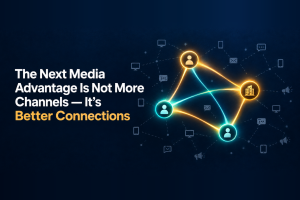
What emerges is a more connected layer of media, where value is shaped not just by what is watched, but by how audiences actively take part in it.
Conclusion
The media and entertainment industry has moved from scheduled broadcasts to personalised on-demand feeds, and now to participative, behaviour-driven ecosystems.
In this shift, the real value lies not in views but in connection, how audiences engage, stay, and return. Platforms like Eloelo reflect this change, where live interactions create a stronger audience connection and community.
As the line between creator and audience continues to blur, the future of media will be shaped by whoever can turn watching into belonging.