

India’s travel economy is entering a new phase of growth, and this time, the momentum is not being driven only by airlines or hospitality brands. Across highways connecting metros, tier‑2 cities, and emerging tourism hubs, a quieter transformation is unfolding. Intercity mobility, long viewed as a fragmented and largely unorganised sector, is rapidly becoming one of the country’s most important travel growth engines.
The shift is being fuelled by changing consumer expectations, rising digital adoption, increasing domestic tourism, and a new generation of travellers that values comfort, convenience, and predictability as much as affordability. For years, intercity road travel in India largely operated as a utility‑driven category: travellers chose buses based on route availability and pricing, often compromising on comfort and consistency. But as behaviour has evolved across sectors, expectations around mobility have changed too.
Today’s travellers expect seamless digital experiences everywhere, from booking and boarding to live tracking and customer support. The same consumer accustomed to app‑based convenience in food delivery, commerce, and hospitality now demands travel experiences that feel equally frictionless and reliable.
These evolving expectations mirror a broader global trend. The global sustainable tourism market is estimated at around USD 2.3 trillion in 2026 and is projected to reach roughly USD 17.8 trillion by 2036, growing at an expected 22.6% compound annual growth rate as travellers increasingly prioritise eco‑responsibility and social impact in trip planning. In India, this translates into rising demand for travel options that are not only convenient and predictable but also transparent, responsible, and aligned with more conscious consumption habits. (Source: Future Market Insights)
That behavioural shift is reshaping intercity mobility.
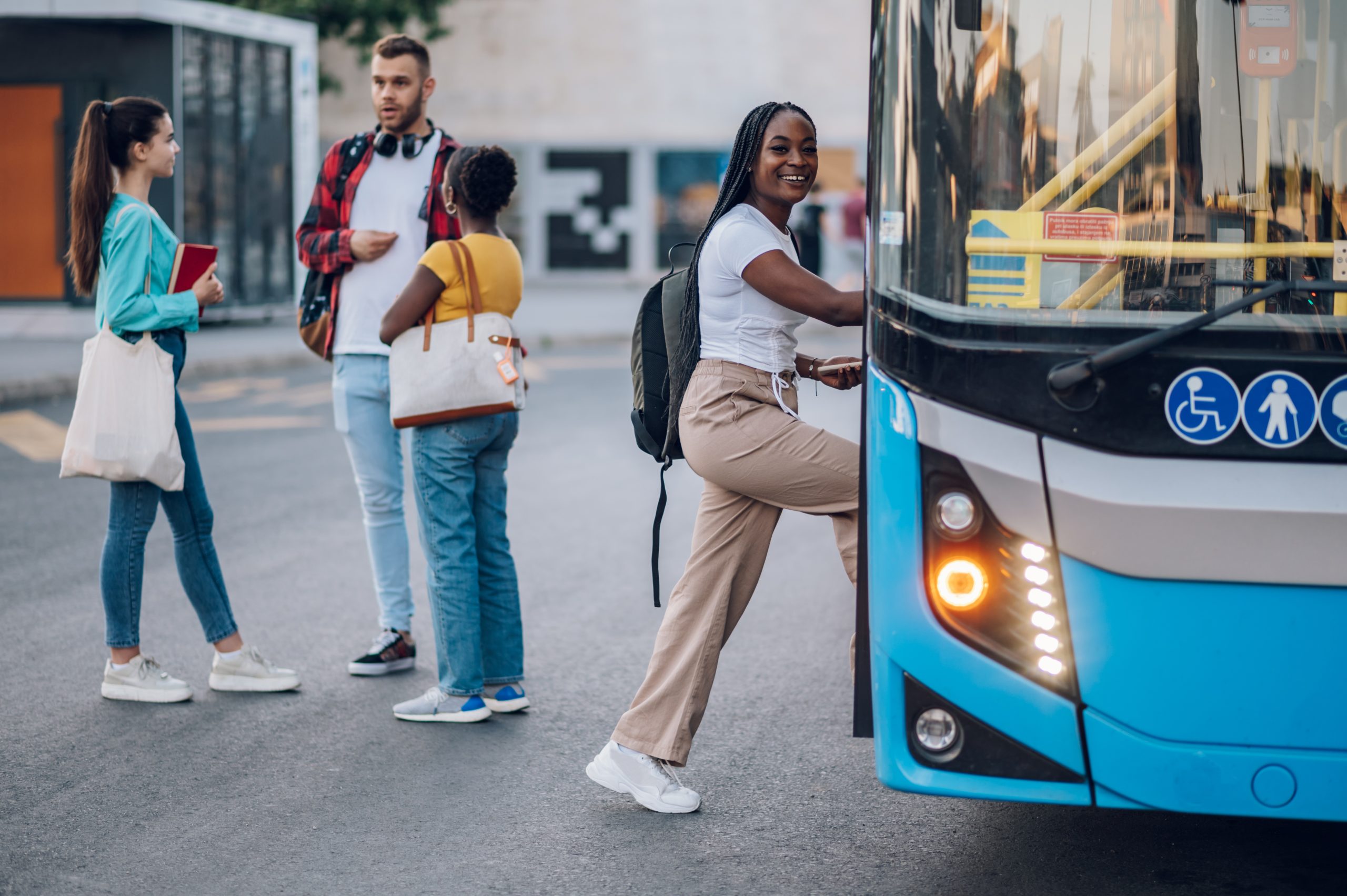
The sector is witnessing rapid organised growth as operators increasingly focus on technology‑led experiences, cleaner fleets, improved customer communication, and comfort‑first journeys. Air‑conditioned sleeper coaches, digital booking systems, onboard Wi‑Fi, GPS‑enabled tracking, and standardised service experiences are no longer niche differentiators; they are becoming part of the expected baseline.This transformation comes at a time when domestic travel itself is seeing significant momentum. Research indicates that the global intercity bus travel market is valued at about USD 21.81 billion in 2026, with projections to reach roughly USD 30.19 billion by 2031, underscoring how central organised long‑distance coaches are becoming in sustainable mobility strategies. (Source: Mordor Intelligence) India’s growing weekend travel culture, flexible work environments, and rising movement between metro and non‑metro cities have expanded the demand for reliable intercity connectivity. At the same time, rising airfares
across several routes have further strengthened the relevance of road travel for a large segment of consumers seeking flexibility and affordability without compromising convenience.
Underpinning this demand is a broader shift in travel sentiment. Survey finds that 88% of Indian travellers consider sustainability important when choosing travel options, highlighting that eco‑responsibility and community impact are now mainstream expectations rather than fringe preferences (Source: TravTalk India). As a result, travellers are not only looking for convenience and comfort, but also for cleaner fleets, transparent operations, and modes of transport that align with more responsible consumption habits.
Importantly, this shift is not only operational. It is also psychological.
Travellers today increasingly associate journeys with overall experience rather than simply transportation. Reliability, safety, comfort, punctuality, and responsiveness now influence travel choices as much as pricing does. In many ways, intercity mobility is beginning to borrow lessons from hospitality, where experience and trust play a central role in driving loyalty.
Sustainability is becoming another defining layer within this evolution.
As global conversations around climate‑conscious travel grow stronger, travellers are paying closer attention to how they move between destinations. Road mobility, particularly organised bus travel, is increasingly viewed as a more sustainable option for long‑distance connectivity than many other modes of transport.
Reports indicate that public transport is India’s most preferred mode of mobility, with 24% of Indians using it as their primary mode, and around 6 in 10 Indians say they choose it over private vehicles for environmental reasons, signalling a clear shift toward sustainable mobility choices. (Source: ETAuto)
Among the companies reflecting this broader industry transformation is Zingbus, which has emerged as part of India’s growing organised intercity mobility ecosystem. The company’s growth trajectory mirrors larger changes taking place across the category, where technology, customer experience, and operational standardisation are becoming central to consumer preference.
“Our strategy is to extend electric mobility beyond city limits. Electrifying intercity transport could deliver a larger environmental impact, given the scale of long‑distance travel in India.”
— Prashant Kumar, CEO and Co‑Founder, Zingbus (Source: ETAuto)
The company’s recent expansion ambitions also highlight the growing maturity of the organised mobility market in India. As demand for structured and experience‑led travel continues rising, industry players are increasingly scaling operations around consumer trust, service reliability, and digitally connected journeys rather than competing solely on pricing. Zingbus itself has indicated it aims to reach a topline of over ₹350 crore in FY26, driven by demand‑led route expansion across key corridors. (Source: Business Standard)
That larger trend is becoming visible across the ecosystem.
Consumers today are increasingly willing to choose brands that reduce friction and deliver consistency throughout the journey experience. Real-time updates, cleaner boarding points, predictable schedules, and responsive support systems are gradually becoming key drivers of repeat behaviour in the category.
The evolution also reflects a broader shift in India’s infrastructure economy.
For decades, aviation dominated conversations around modern travel growth, while road mobility largely remained underrepresented despite serving millions of passengers daily. But with improving highways, stronger digital infrastructure, and rising demand from tier‑2 and tier‑3 markets, intercity mobility is emerging as one of the country’s most scalable travel opportunities. Globally, analysts project that the intercity‑and‑transit‑bus market will grow from around USD 56.4 billion in 2026 to about USD 91.8 billion by 2033, at a 7.2% CAGR, reinforcing the sector’s structural importance. (Source: Persistence Market Research)
Importantly, buses continue to remain one of the most critical connectors across India’s fragmented geography. Unlike aviation networks concentrated around select routes, intercity road travel connects a much wider consumer base while supporting affordability and accessibility at scale.
That scale gives the sector significant long-term relevance, particularly as India’s domestic tourism economy continues to expand. The next phase of growth for intercity mobility, however, will likely depend on more than fleet expansion or route density. The companies that succeed may ultimately be those capable of building trust-led and experience-driven travel ecosystems around consumers.
Because the future of travel is no longer just about getting people from one destination to another. It is increasingly about how seamless, reliable, comfortable, and responsible the journey feels along the way.